
Beautiful Plants For Your Interior
Beautiful Plants For Your Interior
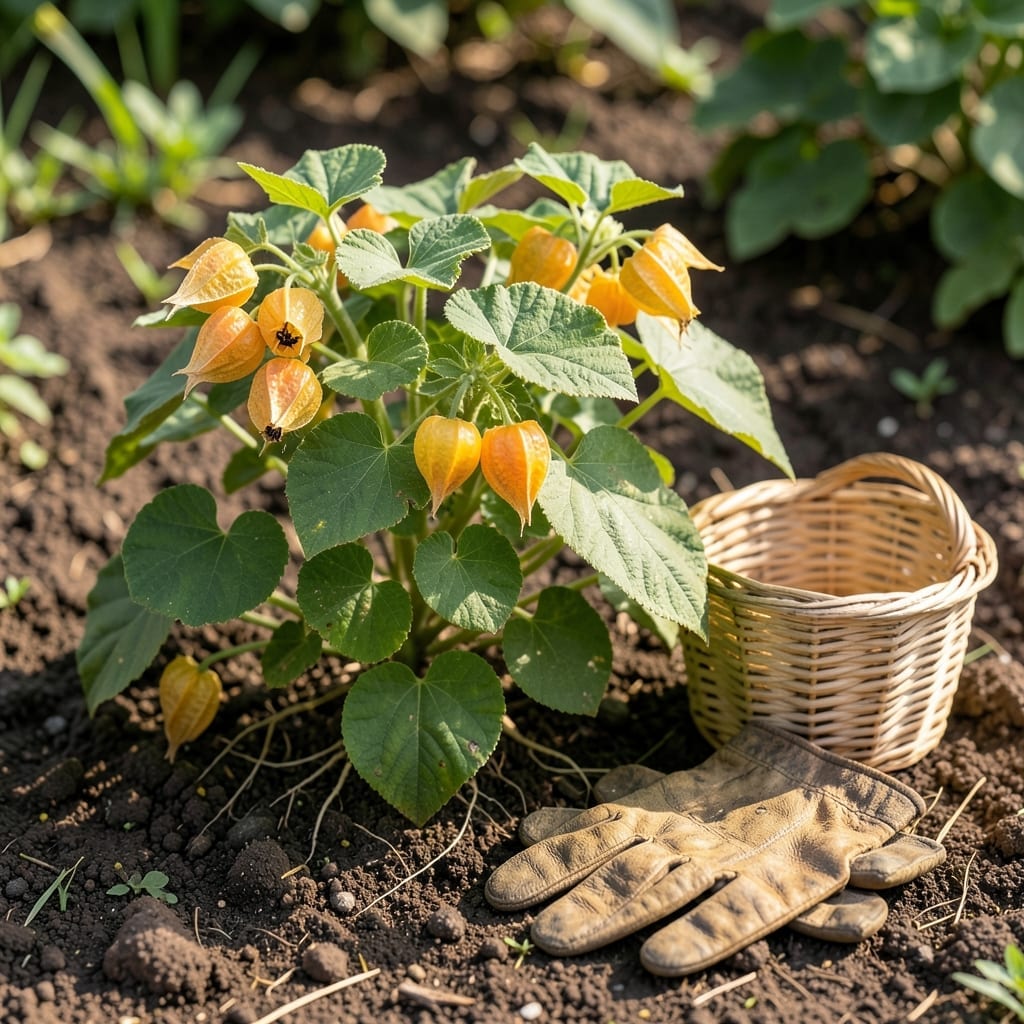
Yes, golden berries naturally develop a sticky residue when ripe due to their high sugar content and thin waxy coating called bloom.
This natural stickiness actually signals peak ripeness and sweetness, similar to how a peach’s juice drips at its prime. 🌟 The bloom coating helps preserve the fruit but can feel tacky to the touch. I’ve noticed the stickier ones tend to be the juiciest, with that perfect balance of tart and sugary flavors. It’s a good sign they’re ready to enjoy!
💡 In This Article
The stickiness begins with the fruit’s natural ripening process. As golden berries mature, their sugar content—primarily fructose and glucose—rises significantly, often reaching 12-15% of their composition. This creates a hypertonic environment inside the berry, causing water to move outward through osmosis while the sugars concentrate on the surface as the water evaporates. 🔥
The thin waxy layer called bloom acts like a protective shield, but it also traps these exuded sugars. This coating is only 1-2 micrometers thick—thinner than a human hair—yet it plays a crucial role in preserving the fruit.
The combination of high sugar concentration and this delicate barrier creates the characteristic tacky texture that signals peak ripeness.
What many don’t realize is that this stickiness serves an ecological purpose. In their native South American habitats, the sugary residue attracts ants and other insects that then protect the fruit from predators. The stickier the berry, the more it’s signaling both to humans and nature that it’s at its most flavorful and nutritious stage.
✨
You can distinguish natural stickiness from spoilage by its consistency. Healthy berries have a lightly tacky, almost syrupy residue that glistens in light. In contrast, spoiled fruit may develop a cloudy or slimy coating. The natural version should also have a sweet, slightly tropical aroma rather than any sour or fermented smells.
Temperature and humidity affect this process too. In warmer conditions (75-85°F), the sugar exudation happens faster, while cooler temperatures slow it down. This is why berries might seem stickier on a hot day compared to a cool morning.
The bloom coating also becomes more noticeable as the fruit reaches full maturity, typically after 70-90 days of growth. 💫
No, the sticky coating actually indicates peak ripeness. The natural sugars rise to the surface as the fruit matures, creating that tacky texture. It’s a good sign they’re sweet and ready to eat.
Natural stickiness is clear and syrupy with a sweet smell. Spoiled berries develop a cloudy or slimy coating with sour odors. The natural version should glisten in light.
Rinsing under cool water removes most surface sugars but some bloom remains. Gently pat dry afterward. Avoid soaking, as this can wash away too much of the protective layer.
Temperature and humidity affect sugar exudation. Warmer conditions (75-85°F) speed up the process. Berries may also vary in sugar content naturally.