
Beautiful Plants For Your Interior
Beautiful Plants For Your Interior
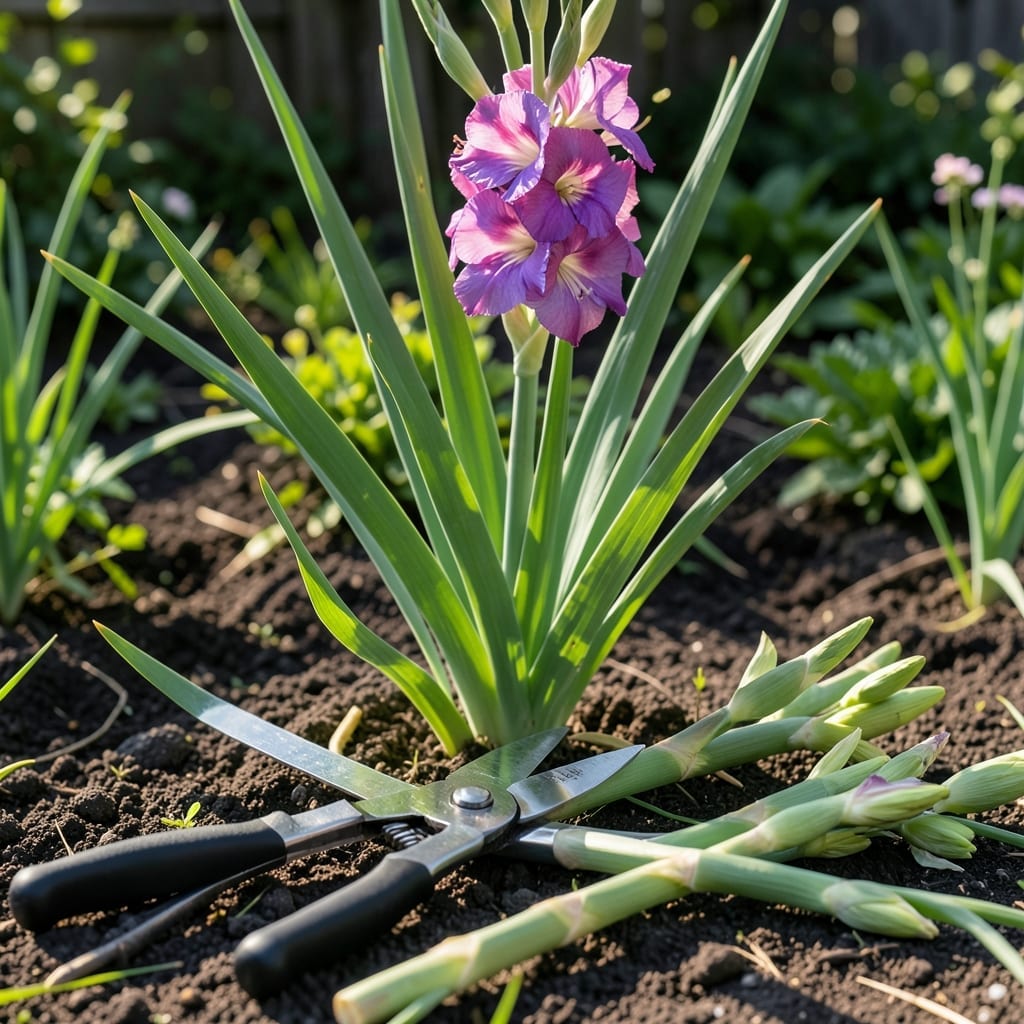
Gladiolus typically do not regrow after cutting for bouquets, as removing the main stem stops energy flow to the corm. However, leaving some foliage intact may allow minor regrowth the next season.
I’ve learned that gladiolus corms store energy for next year’s blooms, and cutting the stem too low severs this vital connection. 🌟 For best results, I cut just above the base and leave at least 6 inches of foliage to keep feeding the corm. This small adjustment can make a big difference in whether you’ll see those tall spikes return next summer.
💡 In This Article
The corm is the heart of a gladiolus plant, storing all the energy needed for next season’s growth. When you cut the main stem, you’re removing the plant’s primary food source, which disrupts its ability to photosynthesize and recharge its energy reserves. This is why most gladiolus won’t bounce back after being cut for bouquets.
🔥
What many gardeners don’t realize is that the stem acts like a straw, pulling up water and nutrients to feed the corm. Cutting it at soil level severs this connection completely. Even cutting too low (below 6 inches from the base) can prevent the remaining foliage from doing its job effectively.
The corm needs about 6-8 weeks of active growth after flowering to store enough energy for next year.
Gladiolus follow a strict seasonal cycle: corm sprouts in spring, grows foliage, produces flowers, then enters dormancy. Cutting interrupts this cycle at its most critical stage. The plant prioritizes seed production over corm storage when stressed, which is why you might see small cormels forming instead of a healthy main corm for next year. ✨
Temperature also plays a role in corm recovery. In warmer zones (7-10), corms may recover slightly better than in cooler climates where the growing season is shorter. However, even in ideal conditions, the energy loss from cutting typically means smaller, weaker blooms the following year—if they appear at all.
This is why commercial growers often treat gladiolus as annuals rather than perennials.
The foliage you leave behind becomes crucial for corm recovery. Each leaf acts like a solar panel, converting sunlight into sugars that get stored in the corm. With at least 6 inches of foliage remaining, the plant can continue this process, though at reduced efficiency.
This is why you might get 1-2 smaller spikes the next season instead of the original plant’s full potential. 💫
Use sharp pruners to make a clean 45-degree cut just above a leaf node. Always leave at least 6-8 inches of foliage to feed the corm. Never cut at soil level, as this severs the plant’s energy supply.
They may produce 1-2 smaller spikes next season if you leave enough foliage. However, expect reduced vigor compared to uncut plants. The corm needs time to recover and store energy for future growth.
Cut stems in the early morning when sugar content is highest and hydration is optimal. This timing helps stems last longer in arrangements and minimizes stress on the remaining plant.
No, this will deplete the corm’s energy reserves. Limit yourself to 1-2 stems per plant and alternate which stems you take. This approach balances harvest with the plant’s long-term health.