
Beautiful Plants For Your Interior
Beautiful Plants For Your Interior
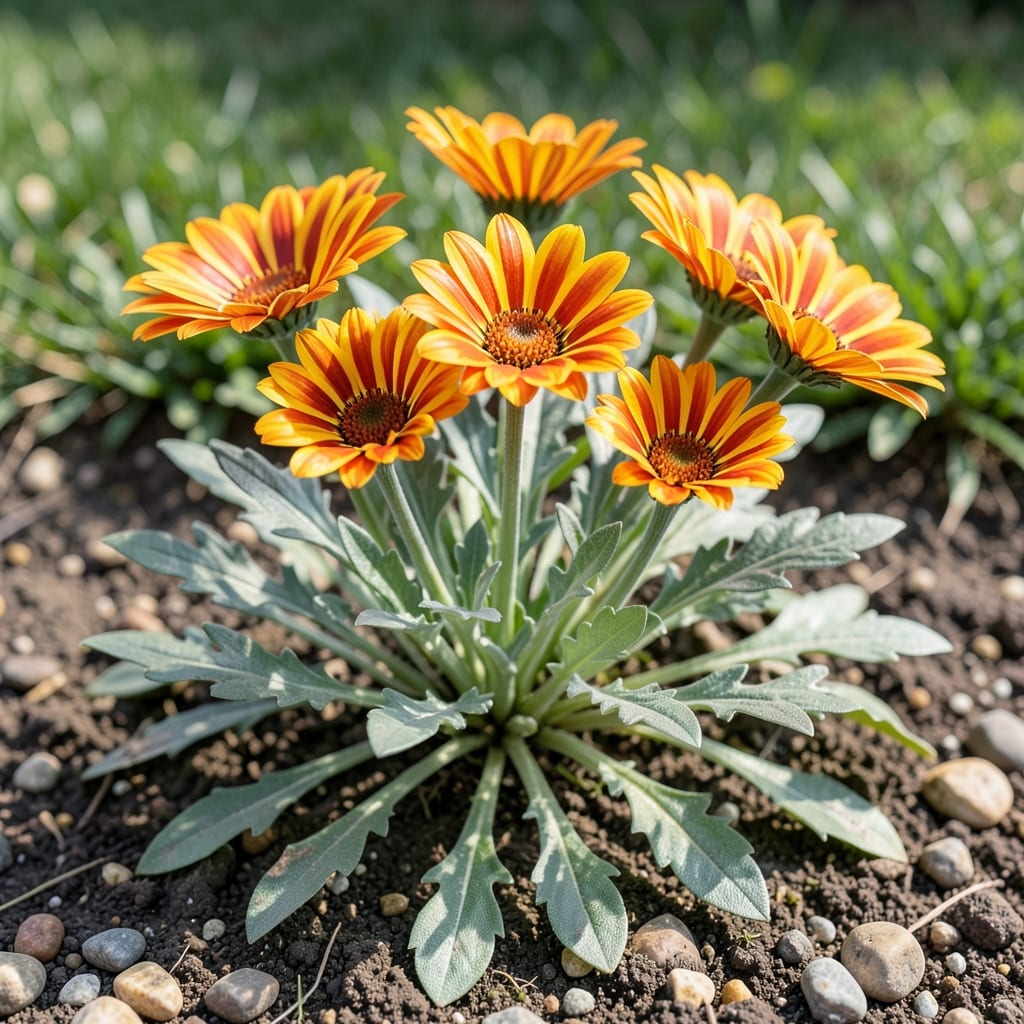
Gazanias are not typically invasive in most regions, as they spread slowly via seeds and rhizomes. However, in optimal climates like California, they can naturalize aggressively if left unchecked.
I’ve noticed these hardy perennials thrive in warm, dry conditions where their bright blooms can dominate sun-baked landscapes. Their ability to self-seed means they often reappear year after year, which some gardeners love and others find challenging. 🌟
In my experience, regular maintenance keeps them from taking over, especially in areas with poor soil where they outcompete weaker plants.
💡 In This Article
Gazanias reproduce through two primary methods: wind-dispersed seeds and underground rhizomes. Each flower head can produce 200-300 seeds that scatter on breezy days, germinating when soil temperatures reach 55-60°F. The seeds remain viable in soil for 2-3 years, waiting for ideal conditions to sprout. 💫
Beneath the soil, gazanias develop a network of shallow rhizomes that spread horizontally at a rate of 6-12 inches per year. These rhizomes store energy and water, allowing the plant to survive droughts and produce new shoots from nodes along their length. This dual system makes them particularly resilient in arid environments. ✨
Environmental factors significantly influence their spread. In regions with Mediterranean climates (like California or parts of Australia), gazanias thrive in well-drained, sandy soils where competition from other plants is minimal. They struggle in heavy clay or waterlogged soils, which limits their expansion in many areas. 🌟
What’s fascinating is their drought tolerance mechanism. Gazanias close their daisy-like flowers at night and during overcast weather to conserve moisture, then open wide in full sun to maximize photosynthesis. This adaptation gives them a competitive edge in water-scarce landscapes where other plants might wither. 🔥
In wild areas, they often establish themselves along roadsides, in disturbed soils, or in coastal dunes where their deep taproots can access moisture. While not typically aggressive, in these ideal conditions they can form dense mats that crowd out native vegetation over time.
They spread at a moderate pace via seeds and rhizomes, typically expanding 6-12 inches per year. In ideal conditions, they may spread faster, but they’re not as aggressive as true invasive species.
In warm, dry climates with poor competition, they can form dense mats. However, regular maintenance like deadheading and barrier installation can prevent overgrowth.
Their deep taproots and rhizomes make them resilient. Hand-pulling works for small patches, but solarization or deep edging may be needed for larger areas.
They prefer warm, Mediterranean-like conditions and struggle in heavy clay or waterlogged soils. In colder regions, they often behave as annuals rather than spreading perennials.