
Beautiful Plants For Your Interior
Beautiful Plants For Your Interior
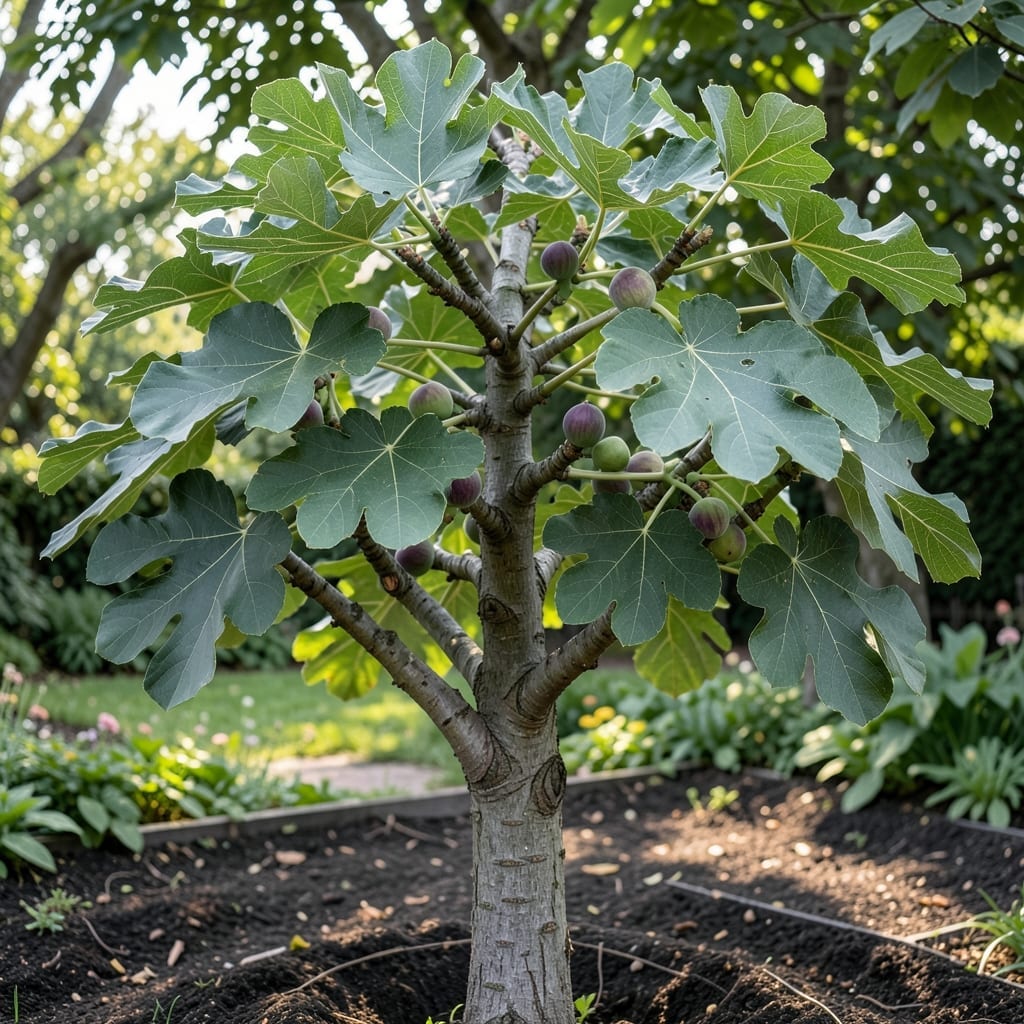
Yes, most fig trees are deciduous, shedding their leaves in fall and regrowing them in spring. However, some varieties in warm climates may retain foliage year-round.
I’ve noticed this cycle helps fig trees conserve energy during colder months, entering dormancy to survive harsh conditions. 🌟 In regions like California or the Mediterranean, certain evergreen varieties maintain leaves due to milder winters and consistent moisture. This adaptability makes them resilient across diverse environments, from temperate zones to subtropical areas.
💡 In This Article
The leaf shedding process in fig trees is triggered by hormonal changes as daylight shortens in autumn. The tree produces less auxin, a growth hormone, which signals the formation of an abscission layer at the base of each leaf. This layer severs the connection between leaf and branch, allowing the foliage to drop efficiently. 🌟
During dormancy, fig trees conserve water and nutrients by reducing metabolic activity by up to 70%. The tree’s energy focuses on root development and storing carbohydrates in its trunk and branches. This survival strategy allows it to endure temperatures as low as 10°F (-12°C) without permanent damage, though prolonged freezes may harm tender varieties.
In tropical climates, certain fig varieties like Ficus microcarpa (Indian Laurel) or Ficus benjamina (Weeping Fig) may retain leaves year-round. These evergreen types have adapted to consistent warmth and moisture, skipping dormancy entirely. However, even these trees may shed some leaves seasonally to replace old or damaged foliage.
The timing of leaf regrowth varies by species and location. In temperate zones, new leaves typically emerge in early spring when soil temperatures reach about 50°F (10°C). This fresh growth often appears as small, reddish buds that gradually unfurl into broad, green leaves within 2-3 weeks. ✨
What most gardeners don’t realize is that leaf drop also helps remove accumulated toxins and waste products. As leaves age, they collect metabolic byproducts that the tree can’t efficiently transport back through its vascular system. Shedding them is essentially a detox process, preparing the tree for renewed growth. 💫
Most common edible figs like Ficus carica are deciduous, but tropical varieties such as Ficus microcarpa often stay evergreen in warm climates. The behavior depends on both species and local weather conditions.
Leaf drop usually begins in late fall as days grow shorter and temperatures drop below 50°F (10°C). The process completes within 4-6 weeks, leaving the tree bare until spring.
No, in areas with freezing winters, even hardy varieties will enter dormancy and lose leaves. However, potted figs can be overwintered indoors near a sunny window to maintain foliage.
Evergreen behavior occurs in frost-free zones where soil stays warm and daylight remains sufficient. These trees skip full dormancy, instead slowing growth while retaining most leaves.
Seasonal leaf drop is normal and healthy. However, sudden leaf loss in summer or spring may indicate stress from overwatering, pests, or disease. Check for other symptoms like spotted leaves or cankers.