
Beautiful Plants For Your Interior
Beautiful Plants For Your Interior
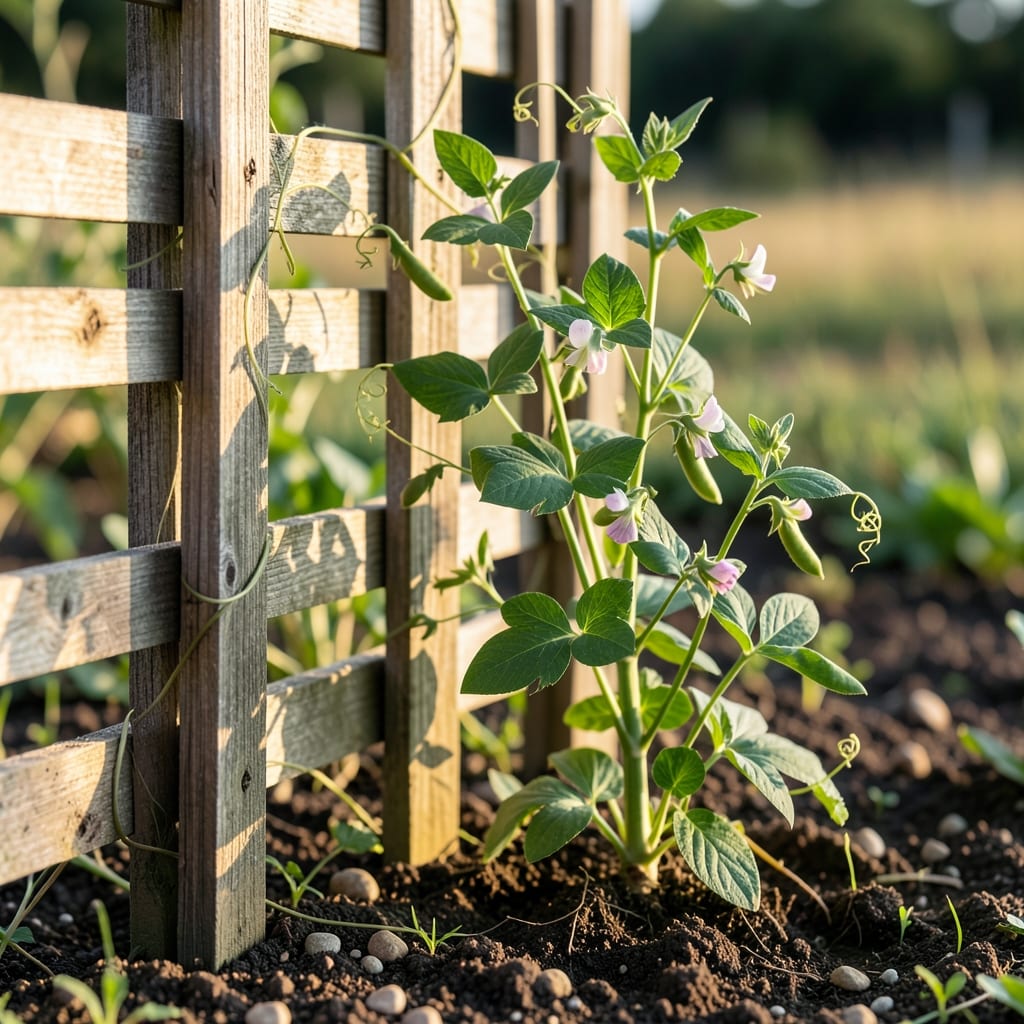
Field peas and black-eyed peas are closely related but not identical. Black-eyed peas are a specific type of field pea, distinguished by their black spot on a creamy white or pale yellow seed coat.
I think of field peas as the broader family, with black-eyed peas being one of the most popular members. The telltale black eye on their pale coat sets them apart from other varieties like crowders or cream peas. 🔥 In the South, we prize black-eyed peas for their earthy flavor and ability to thrive in hot climates, making them a garden favorite.
What makes them unique among field peas is their distinct appearance and slightly sweeter profile. They share the same hardy nature but stand out in both the field and on the plate. ✨
💡 In This Article
Field peas belong to the Vigna unguiculata species, a diverse group that includes many cowpea varieties. Black-eyed peas are simply one specific cultivar within this family, scientifically classified as Vigna unguiculata subsp. unguiculata.
The key difference lies in their seed structure: black-eyed peas have that signature dark hilum (the “eye”) contrasting sharply against their light-colored seed coat. 🔥
Other field pea varieties like crowders or purple hulls lack this distinctive marking. Crowders have tightly packed seeds in their pods, while purple hulls develop a deep violet pod color when mature. Black-eyed peas typically produce pods that are 6-8 inches long, each containing 8-12 seeds that turn from green to cream-colored as they dry.
The eye itself is actually the seed’s attachment point to the pod.
Growth habits also vary slightly. Black-eyed peas tend to be more bush-like, reaching 2-3 feet tall with a spreading habit, while some field pea varieties can vine up to 6 feet when given support. This makes black-eyed peas particularly suitable for small gardens where space is limited.
Their vines also produce more tendrils, which help them cling to supports. ✨
The flavor profile differs too. Black-eyed peas have a slightly sweeter, earthier taste compared to other field peas, which can be more starchy. This comes from their higher natural sugar content (6-8% compared to 4-5% in other varieties) and thinner seed coats that absorb flavors more readily during cooking.
What most gardeners notice first is the maturity timeline. Black-eyed peas reach harvest readiness in about 70-90 days, while some larger field pea varieties may take up to 120 days. This quicker turnaround, combined with their heat tolerance, makes them ideal for hot southern climates where other legumes might struggle. 💫
Look for the signature black spot or “eye” on a pale seed coat. Black-eyed peas are the only field pea variety with this distinctive marking, while others like crowders or purple hulls have uniform colors.
Both thrive in warm climates with well-drained soil, but black-eyed peas need slightly less space (4-6 inches apart) due to their bushier growth. Field peas often require 6-8 inches and may need trellising for vining types.
Their sweeter flavor, quicker maturity (70-90 days), and compact growth make them ideal for small gardens. The iconic appearance also makes them easily recognizable in stores and recipes.
Yes! While black-eyed peas are slightly sweeter, all field peas are interchangeable in most dishes. Cooking times may vary slightly—dried black-eyed peas typically soften in 45-60 minutes, while some field peas take longer.