
Beautiful Plants For Your Interior
Beautiful Plants For Your Interior
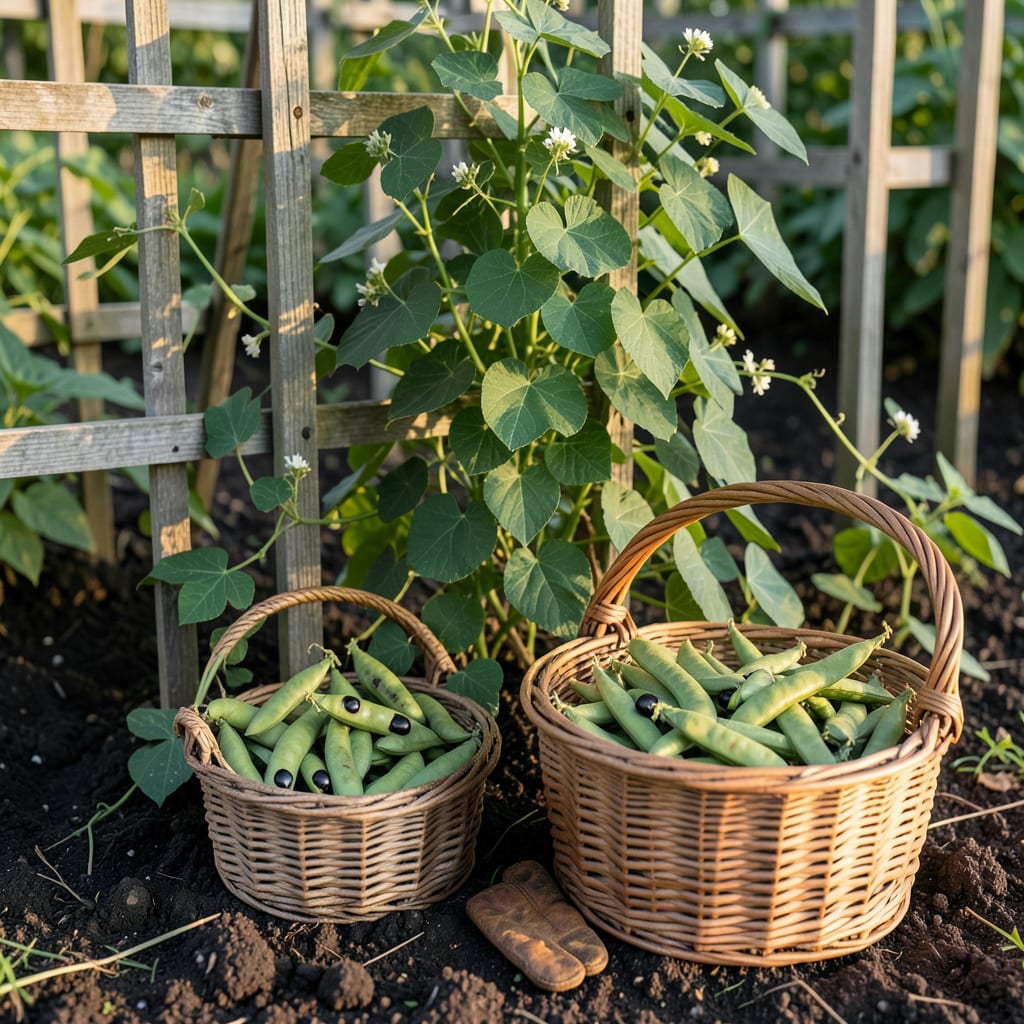
Timing your harvest perfectly can mean the difference between tender, flavorful Black Eyed Pea 🌱 and tough, starchy disappointment. Those pods hold the secret to your best crop yet.
I’ll show you the key visual cues to watch for, from color shifts to pod swelling, so you pick at peak ripeness every time. Let’s get it right together.


I’ve found that Black Eyed Peas reveal their readiness through clear visual signals. The most obvious is the pod color change from bright green to a yellowish or cream hue. This shift indicates the peas inside are maturing.
Another key indicator is pod swelling. When the peas inside start to fill out, the pods become plump and rounded. You should also notice the black eye spot forming on the peas through the pod.
| Sign | Description |
|---|---|
| Pod Color | Turns yellowish-green or cream |
| Pod Texture | Plump, slightly curved, easy to snap |
| Pea Appearance | Cream-colored with visible black eye |
| Sound Test | Rattling sound when shaken |
| Leaf Condition | Lower leaves start to yellow |
If you see bright green pods that are still flat or firm, your peas aren’t ready yet. The peas inside will be small and white, lacking the signature black eye. Patience is key here.
For the best flavor and texture, I recommend checking the pods daily once they start changing color. The ideal harvest window is short, often just a few days, so don’t delay.
Another useful trick is the squeeze test. Gently press a pod between your fingers. If it feels full and slightly soft, it’s likely ready. If it’s hard or empty-feeling, give it more time.
Also listen for the rattling sound when you shake the pod. This indicates the peas inside have dried slightly and are at their peak. It’s a sure sign they’re ready to pick.
Remember, regional climate can affect timing. In warmer zones, your peas may mature faster, while cooler areas might need a few extra days. Always rely on these visual and tactile cues over a strict calendar date.
Finally, harvest in the morning when the plants are fresh. Use sharp scissors or pruners to avoid damaging the vines. This ensures you get the best yield and keeps your plants healthy for future harvests.
With these tips, you’ll never miss the perfect moment to harvest your Black Eyed Peas again 🌱
I always harvest Black Eyed Peas at two distinct stages, depending on how I plan to use them. For fresh shelling, the timing differs from when I’m saving them as dry beans. Each stage offers unique benefits for flavor and storage.
Fresh shelling peas are ready when the pods are bright green but the peas inside have fully developed. They’ll be tender and sweet, perfect for immediate use. The dry stage requires more patience but offers longer storage.
| Stage | Timing | Use |
| Fresh Shelling | 60-70 days | Immediate cooking |
| Dry Beans | 85-110 days | Long-term storage |
| Pod Color | Green to Yellow | Yellow/Brown |
For fresh shelling, I look for plump pods that are still green but bulging with visible peas. The peas should be tender and bright, not yet starchy. This stage typically occurs around 60-70 days after planting.
When harvesting for dry beans, I wait until the pods turn yellow or brown and the peas rattle inside. The plants often show yellowing leaves at this point. This can take up to 110 days, depending on the variety and growing conditions.
The flavor difference between stages is noticeable. Fresh peas are sweeter and creamier, while dry beans develop a nuttier, earthier taste. Both have their place in my garden harvest rotation.
Remember, weather affects timing. Hot, dry conditions may speed up maturation, while cooler, wetter weather can delay it. Always check the pods regularly as they approach their expected harvest window. ☀️
I’ve learned that the harvest is just the beginning for Black Eyed Peas. Many gardeners lose their crop to post-harvest mistakes that could easily be avoided with proper care.
One of the most common errors is improper drying. If you’re saving seeds or storing dry beans, laying them out in a humid or shaded area can lead to mold growth instead of preservation.
Another frequent issue is delayed shelling. Once picked, fresh peas should be shelled within 24 hours to prevent them from becoming tough or developing off-flavors from the pod.
I always ensure my storage containers are completely dry before adding the peas. Any moisture trapped inside can cause mold or spoilage, especially in humid climates.
Finally, never skip the cooling period after harvest. If you’ve picked your peas during the heat of the day, let them cool in a shaded, well-ventilated area before processing or storing. 🌿
Look for pods turning from green to yellow or cream. They should feel plump when gently squeezed, with visible black-eyed peas inside. A rattling sound when shaken is another clear sign.
Early harvesting yields underdeveloped peas that are small, white, and lack the signature black eye. They’ll be starchy and tough rather than tender and flavorful. Patience ensures the best quality.
No, check pods individually as they mature at different rates. Harvest fresh peas every few days once they start ripening, and dry beans when most pods show yellowing and rattling.
Avoid harvesting during the hottest part of the day. Pick in the morning when plants are fresh. If you must harvest later, let pods cool in shade before shelling or storing.
