
Beautiful Plants For Your Interior
Beautiful Plants For Your Interior
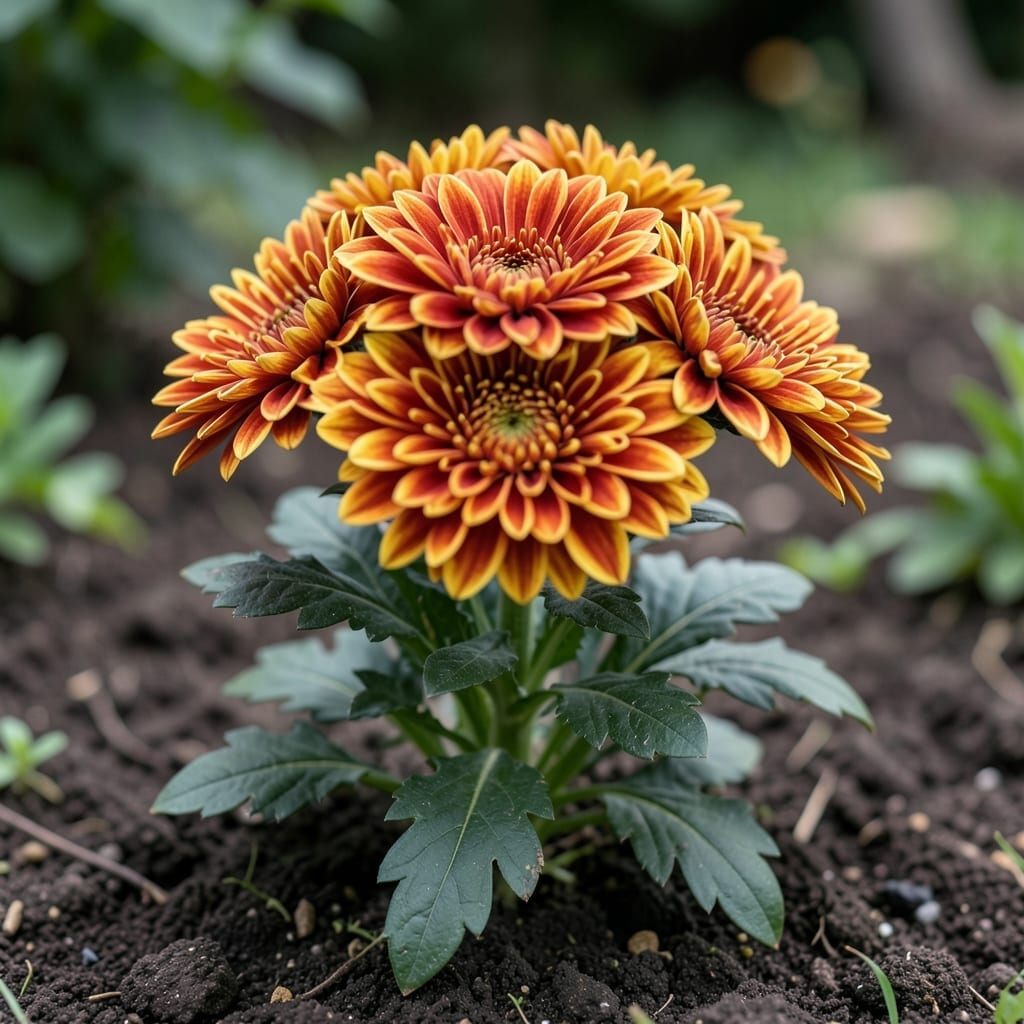
Fall mums are technically perennials, but many garden varieties are treated as annuals because they often don’t survive harsh winters. Hardier types may return if properly protected in colder zones.
What trips up many gardeners is that nursery-bought mums are often grown for immediate bloom rather than long-term survival. 🔥 I’ve learned that planting them early in spring gives roots time to establish before winter hits. Even then, a thick layer of mulch and choosing cold-hardy varieties like ‘Mammoth’ or ‘Sheffield’ can make the difference between a one-season wonder and a returning star.
💡 In This Article
The confusion starts with how commercial growers produce these plants. Nursery mums are typically forced into early bloom through controlled light and temperature, which prioritizes immediate flowers over root development. This means they enter your garden with shallow root systems that haven’t had time to establish the deep, extensive networks needed for winter survival. 🌟
Fall-blooming chrysanthemums (their botanical name) are naturally perennials in USDA zones 5-9, but the varieties sold in big-box stores are often selected for their vibrant colors and compact size rather than cold hardiness.
The most winter-resistant types, like ‘Mammoth’ or ‘Sheffield’, have thicker stems and deeper root systems that can withstand freezing temperatures down to -15°F when properly established. ✨
Timing is everything with mums. Planting them in spring gives roots a full growing season to anchor deeply. Fall-planted mums, even hardy varieties, often lack the root mass to survive their first winter.
I’ve seen gardeners lose entire flats of mums planted in October because the roots simply couldn’t absorb enough moisture or nutrients before the ground froze. 🔥
The growth cycle also plays a role. Mums set their flower buds in response to shortening daylight hours, which is why they bloom so reliably in fall. But this same photoperiod sensitivity means they’re entering dormancy just as winter arrives.
Without adequate root reserves built up during the growing season, they can’t sustain themselves through the cold months. 💫
Soil conditions matter too. Mums prefer well-draining soil and will rot in waterlogged conditions over winter. The ideal scenario combines early planting, proper variety selection, and good drainage.
Even then, a 4-6 inch layer of mulch applied after the first hard frost provides crucial insulation against temperature fluctuations that can heave shallow roots out of the ground. ⚡
Hardy garden mums thrive in zones 5-9 with proper care. In colder zones, they may need extra winter protection like thick mulch or planting in sheltered spots to survive freezing temperatures.
Nursery mums are often forced to bloom early, leaving shallow roots unprepared for winter. These are typically florist mums, bred for looks rather than cold hardiness.
Plant in early spring to give roots time to establish. Fall planting often fails because roots can’t develop enough before winter. Even hardy varieties need a full growing season to prepare.
Move pots to an unheated garage or shed after the first frost. Water sparingly to prevent soil from drying out. Avoid leaving containers exposed to freezing temperatures without insulation.