
Beautiful Plants For Your Interior
Beautiful Plants For Your Interior
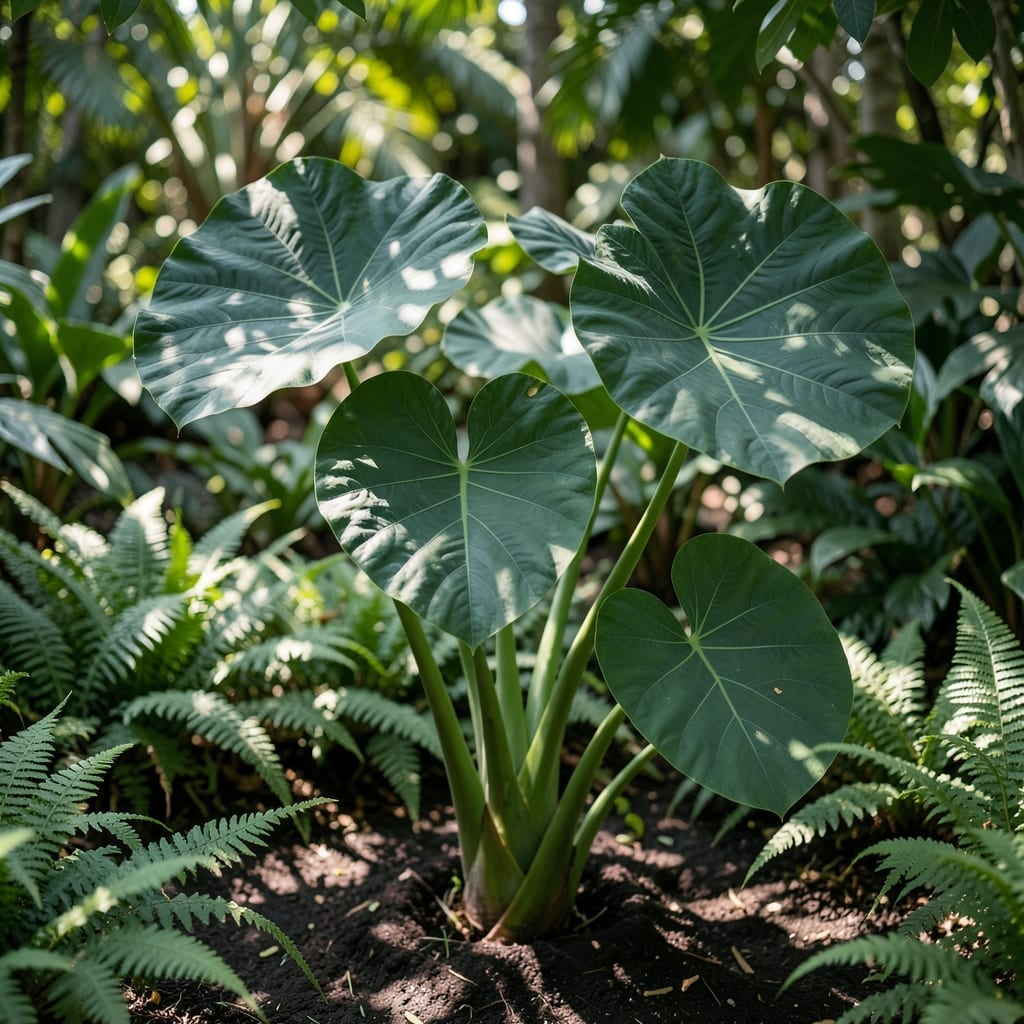
Elephant ears can be invasive in warm climates, spreading rapidly through underground tubers and self-seeding. In colder zones, they typically die back in winter, limiting their spread.
I’ve seen these plants take over entire garden beds in USDA zones 8-11, where their tubers multiply aggressively. 🔥 The key is their ability to regrow from even small tuber fragments, making them tough to eradicate once established. Gardeners in cooler areas often get a natural break, as frost kills the foliage and reduces their invasive potential.
💡 In This Article
The primary driver is their underground tuber system. Each plant produces multiple tubers that can sprout new growth, and even small fragments left in the soil can regenerate. In ideal conditions, a single Colocasia or Alocasia plant can produce dozens of offspring in one season. 🔥
Rhizomes extend horizontally beneath the surface, sending up new shoots at intervals. This lateral spread allows elephant ears to colonize large areas quickly, especially in moist, well-draining soil. The plants also self-seed prolifically, with each flower spike producing hundreds of tiny seeds that germinate readily in warm, humid environments.
Temperature plays a crucial role in their invasiveness. In USDA zones 9-11, where winter temperatures rarely dip below 25°F, the tubers remain active year-round. This continuous growth cycle enables rapid expansion. In contrast, zones 7-8 experience dieback during winter, which naturally suppresses their spread. ✨
The soil type matters too. Elephant ears thrive in rich, organic soil with consistent moisture, similar to their native tropical habitats. In such conditions, they can grow 3-6 feet tall with leaves spanning 2-4 feet wide, outcompeting smaller plants for sunlight and nutrients. 💫
Gardeners often underestimate their growth rate. What starts as a single plant can become a dense thicket in just 2-3 years, crowding out other species. The tubers can also survive dormant in the soil for extended periods, making complete removal challenging without thorough digging.
A single plant can produce dozens of offspring in one season through tubers and rhizomes. In USDA zones 9-11, they may colonize large areas within 2-3 years if left unchecked.
In zones 7-8, frost kills the foliage, but tubers may survive underground. Digging them up before winter prevents regrowth and controls their spread.
Plant in large pots or use metal edging buried 12 inches deep to block rhizomes. Regularly remove new shoots outside your designated area.
Their large leaves (2-4 feet wide) block sunlight, and aggressive root systems absorb nutrients quickly. In ideal conditions, they grow 3-6 feet tall, shading smaller species.
Yes! Even small tuber fragments can regrow. Always discard tubers in the trash, never in compost, to prevent accidental spreading.