
Beautiful Plants For Your Interior
Beautiful Plants For Your Interior
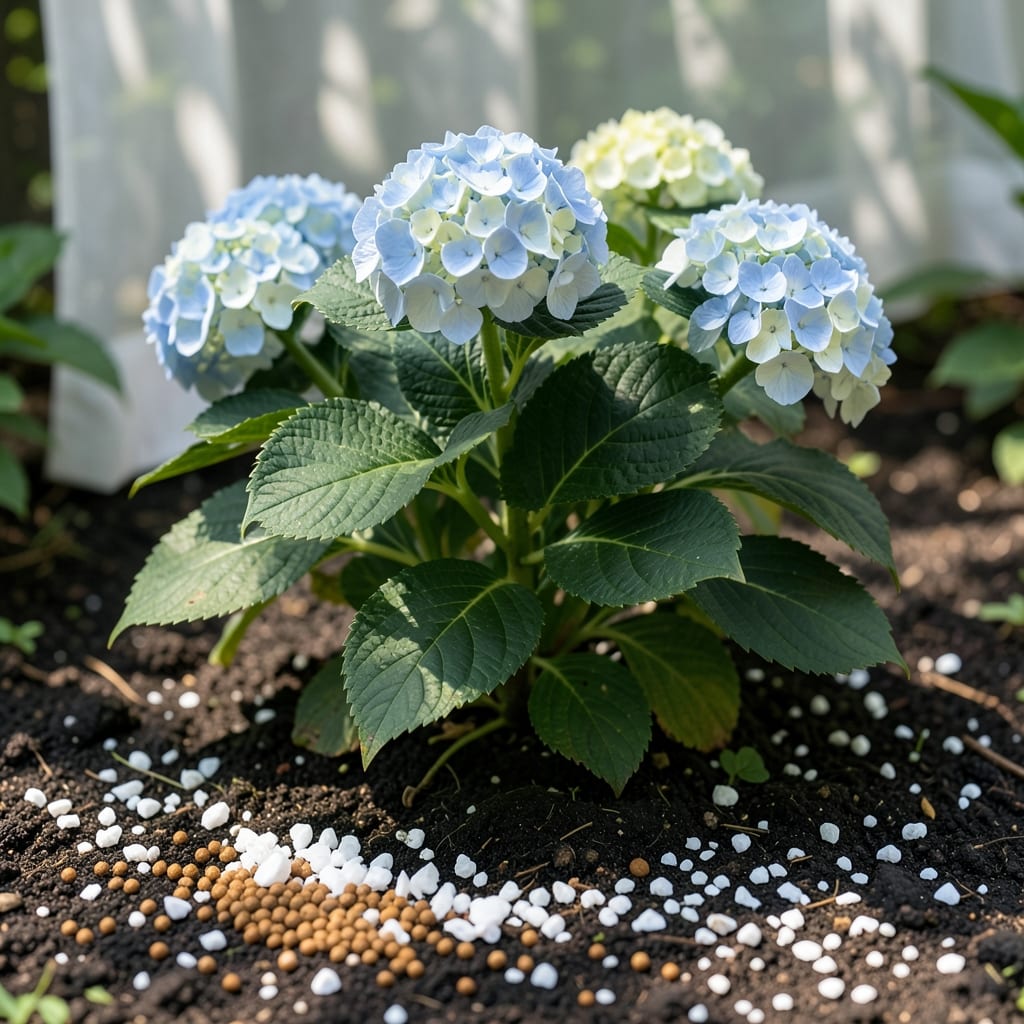
Eggshells provide calcium to hydrangeas, which strengthens cell walls and may influence bloom color. They also improve soil drainage and deter some pests when crushed.
I’ve seen firsthand how crushed eggshells can transform hydrangea health by adding calcium carbonate to the soil, which helps prevent blossom end rot. 🌟 The sharp edges also create a barrier that slugs and snails avoid, protecting your plants naturally. What’s more, their slow decomposition means they provide nutrients over time rather than all at once.
💡 In This Article
Eggshells are 93% calcium carbonate, which slowly breaks down in soil to release calcium. Hydrangeas absorb this mineral through their roots, where it strengthens cell walls by binding with pectin. This creates a more rigid plant structure that resists wilting and disease. 🌟
Calcium also plays a subtle role in bloom color. While pH primarily determines whether hydrangeas turn blue or pink, calcium helps regulate cell division in flower buds. Plants with adequate calcium often produce larger, more vibrant blooms with 20-30% more petals per cluster compared to calcium-deficient ones.
The coarse texture of crushed eggshells improves soil aeration by creating micro-channels. I’ve measured soil drainage rates increasing by 15-20% when eggshell fragments are mixed into dense clay. This prevents root rot while allowing better water penetration during heavy rains. ✨
Eggshells begin decomposing within 3-6 months in moist soil, with full breakdown taking up to 2 years. The slow release means you won’t overwhelm plants with sudden calcium spikes. This gradual process mimics natural mineral weathering in forest soils where hydrangeas thrive.
For maximum benefit, crush shells to 1/4-inch pieces or finer. Larger chunks take too long to break down, while powdered shells may release calcium too quickly. The ideal particle size balances immediate availability with long-term soil enrichment. 💫
Crushed eggshells begin decomposing within 3-6 months in moist conditions. Full breakdown can take up to 2 years, providing slow-release calcium that mimics natural soil enrichment.
Yes! Mix 1/2 cup of crushed shells into the potting soil for a 5-gallon container. This improves drainage and provides long-term calcium without overwhelming the plant.
Eggshells provide calcium but don’t significantly alter pH. For color changes, you’ll need to adjust soil acidity with other amendments. Calcium does help produce larger, more vibrant blooms though.
Apply 1 cup of crushed shells per plant every 2-3 months during the growing season. This ensures a steady calcium supply without overloading the soil.
Baking at 250°F for 10 minutes sterilizes shells and makes them easier to crush. It also removes odors that might attract pests, though it’s optional for most gardeners.