
Beautiful Plants For Your Interior
Beautiful Plants For Your Interior
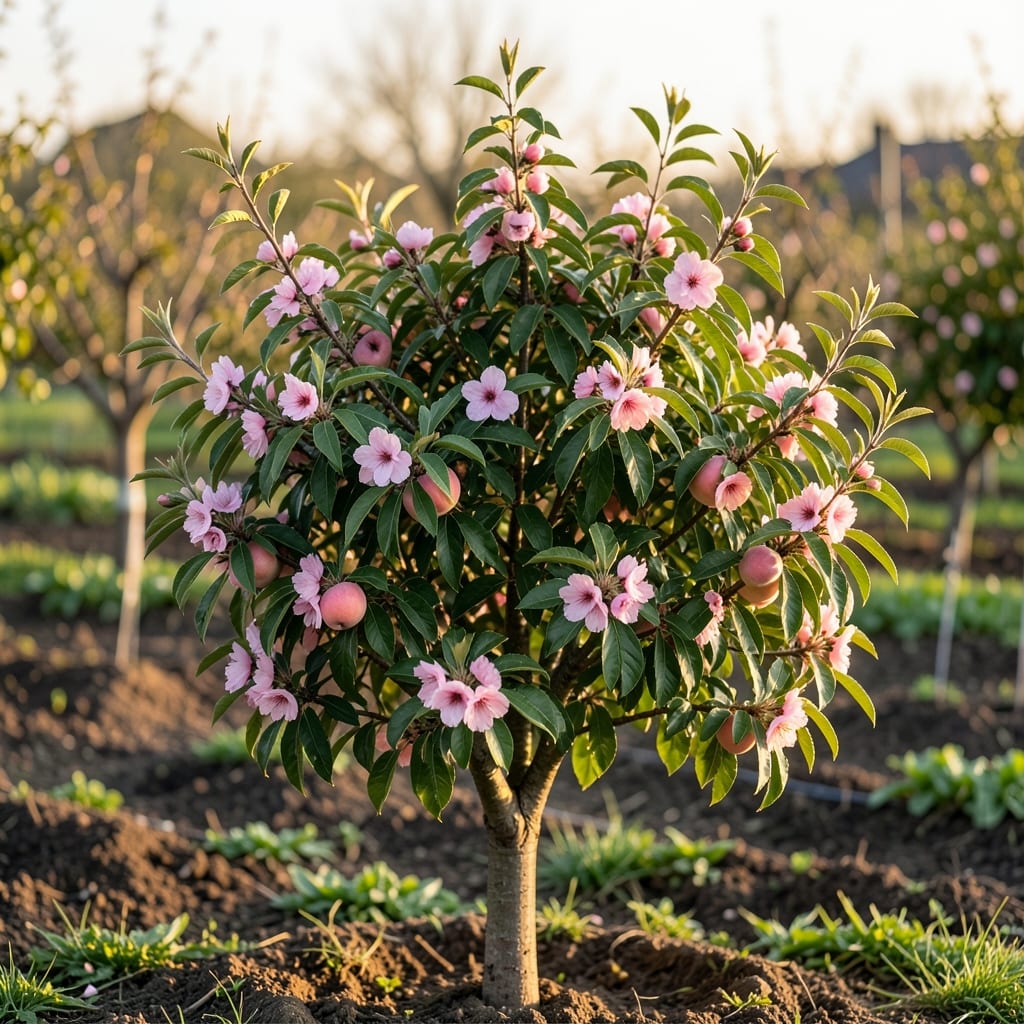
Donut peaches are not genetically modified. Their flat, disc-like shape comes from natural mutations and selective breeding over generations, not lab-based genetic engineering.
This flattened fruit variety, also called Saturn peaches, emerged from a spontaneous genetic mutation in China centuries ago. 🔥 I find it fascinating that growers simply propagated the trees that produced these uniquely shaped fruits, refining the traits through careful selection. The result is a naturally sweet, juicy peach with a distinctive appearance that stands out at farmers markets.
💡 In This Article
The flat, disc-like shape of donut peaches originates from a spontaneous genetic mutation called fasciation. This natural phenomenon causes the fruit’s cells to grow in a flattened pattern rather than expanding outward in all directions. First documented in China over 300 years ago, these mutations occurred randomly in peach orchards. 🔥
Ancient Chinese growers noticed these unusual fruits among their standard round peaches. They saved seeds from the flattened specimens and planted them separately. Over generations, this selective breeding concentrated the mutation, making the donut shape more consistent. The process required decades of patience and careful observation.
Modern donut peaches share 99.9% of their DNA with regular peaches. The shape difference comes from just a handful of genes that regulate cell division patterns. Unlike genetically modified organisms, which have foreign DNA inserted in labs, these peaches developed through natural variation and human selection.
This natural breeding approach is similar to how we got seedless watermelons or different apple varieties. The key difference is time—traditional breeding takes 50-100 years to stabilize a new trait, while genetic engineering can achieve results in 1-2 years. ⚡
The mutation affects only the fruit’s shape, not its flavor or nutritional content. In fact, donut peaches often have a higher sugar content than regular peaches, making them particularly sweet and juicy. Their flat shape also means more surface area for sun exposure, which enhances their natural sweetness.
Today’s donut peaches trace their lineage back to those original Chinese orchards. The most popular varieties, like the Saturn peach, maintain the same genetic foundation established through centuries of natural selection and careful cultivation. ✨
A natural mutation called fasciation caused their flat shape centuries ago in China. Growers selectively bred these unique fruits over generations to stabilize the trait.
Only in appearance! They share 99.9% of DNA with round peaches and often have higher sugar content. The mutation affects only cell growth patterns.
It’s possible but unreliable. For consistent results, start with a 1-year-old bare-root tree from a nursery. Seeds may not produce the same donut shape.
Expect your first harvest in 2-4 years. Proper care, like thinning young fruit, ensures larger, sweeter peaches.