
Beautiful Plants For Your Interior
Beautiful Plants For Your Interior
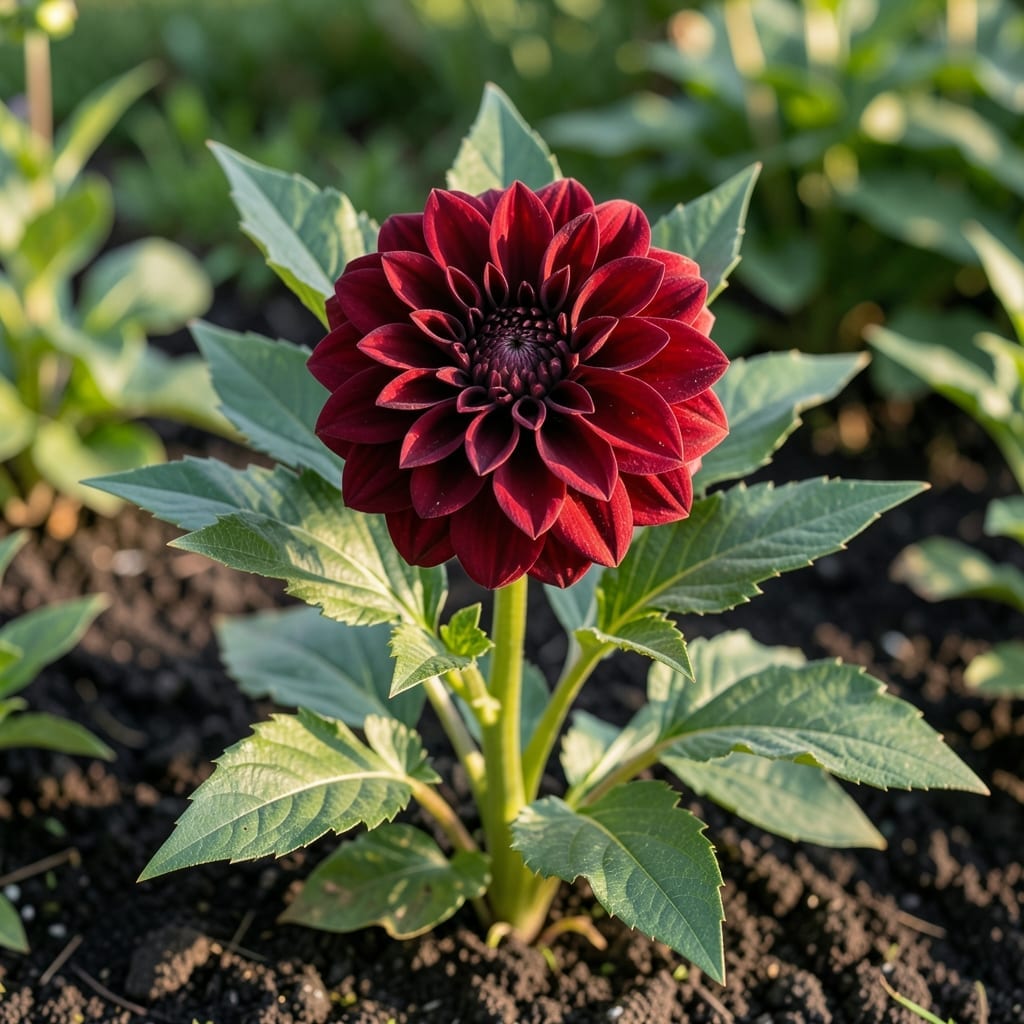
Dahlias grow from tubers, not true bulbs. These fleshy underground stems store energy and produce new plants each season, unlike bulb structures like tulips or daffodils.
I’ve learned through hands-on gardening that these tubers function like nature’s battery packs, fueling next year’s blooms. 🌟 Unlike true bulbs with their layered scales, dahlia tubers are thickened stem sections that sprout eyes—little growth nodes that push up new shoots. This makes them easier to divide for propagation, and I always find it exciting to see multiple plants emerge from a single clump.
💡 In This Article
Here’s what’s actually happening underground: tubers are thickened sections of stem or root that store starches and nutrients, while true bulbs are layered, modified leaves.
Dahlias form clusters of irregular, potato-like tubers with multiple growing eyes, whereas tulip bulbs contain a complete embryonic plant with a basal plate, scales, and a flower bud inside a papery tunic. 🔥
The growth pattern differs too. Dahlia tubers sprout from multiple buds along their surface, producing several stems per cluster. True bulbs like daffodils grow from a single central shoot, with the mother bulb often producing offset bulbs over time.
This explains why dahlias can grow 3-5 feet tall with numerous blooms, while bulb plants typically produce 1-3 stems per bulb.
Botanically, tubers lack the concentric ring structure of true bulbs. Cut a dahlia tuber open and you’ll see a solid, starchy interior without distinct layers. In contrast, slicing a tulip bulb reveals visible scales that protect the developing plant. This structural difference affects how they store energy and regenerate each season. ✨
Another key distinction is regeneration. Dahlia tubers can be divided between growing eyes to propagate new plants, as each eye can produce a stem. True bulbs reproduce primarily through offsets or seed, with the original bulb often withering after blooming. This makes dahlias particularly garden-friendly for multiplication.
Consider their lifespan too. While both are perennials, dahlia tubers are tender perennials that require digging up in cold climates (below 25°F), whereas hardy bulbs like daffodils can remain in the ground year-round in most zones. This sensitivity to cold is a hallmark of tuberous plants. 🌟
They resemble small, irregular potatoes with knobby surfaces. Look for plump, firm tubers with visible eyes (small bumps). Avoid any that are soft, wrinkled, or moldy. Healthy tubers range from beige to dark brown.
With proper storage in a cool (40-50°F), dark place, they can remain viable for 2-3 years. Check monthly for rot or drying out. Discard any that show signs of damage to prevent spreading issues.
Only in warm climates where temperatures stay above 25°F. In colder zones, dig them up after the first frost and store indoors. This protects them from freezing, which would kill the tubers.
Healthy tubers feel firm and plump. If they’re soft, mushy, or have a foul odor, they’ve likely rotted. Slightly wrinkled tubers can sometimes be revived by soaking in water for 1-2 hours before planting.