
Beautiful Plants For Your Interior
Beautiful Plants For Your Interior
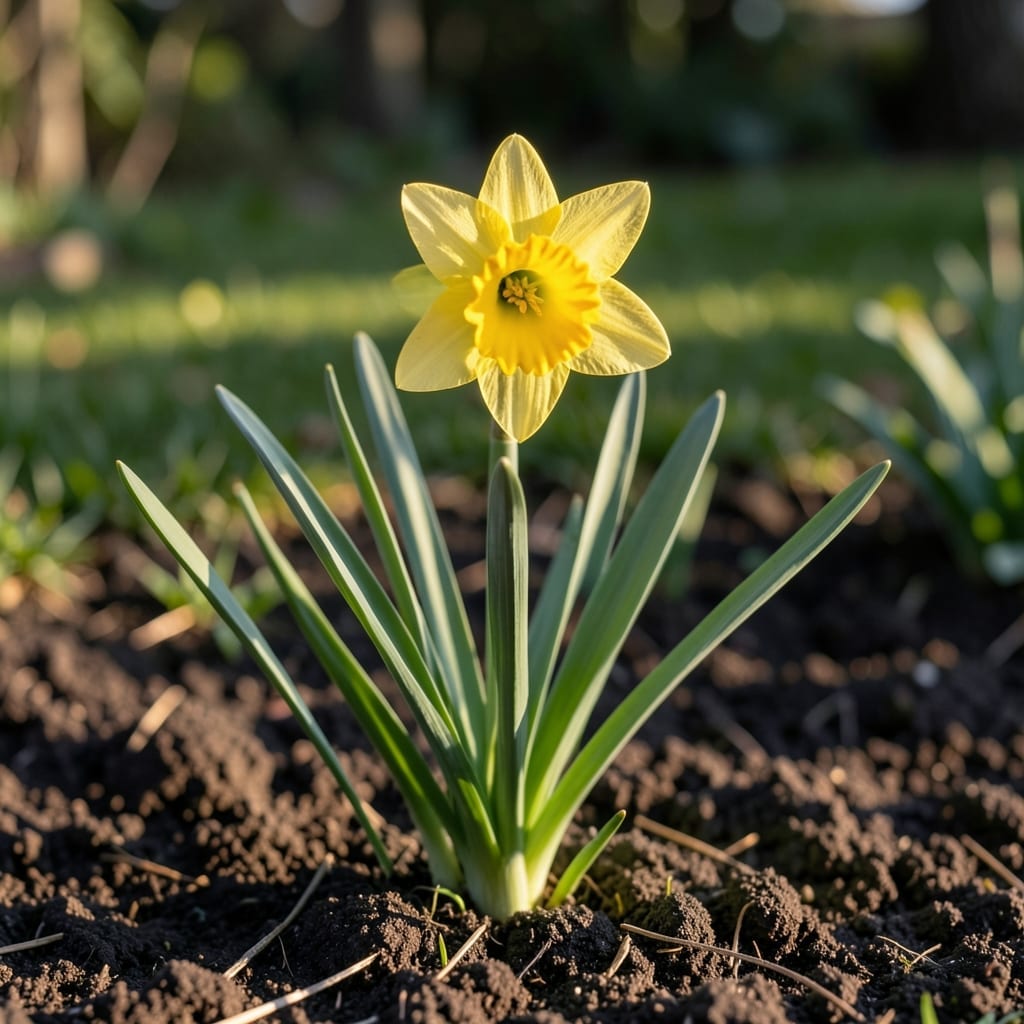
Daffodils are not weeds but cultivated perennials from the Amaryllidaceae family. They spread naturally but are intentionally planted for their ornamental value, unlike invasive weeds.
I love how these bright bloomers transform gardens each spring with their iconic trumpet-shaped flowers. Unlike true weeds that compete aggressively with other plants, daffodils are prized additions that gardeners deliberately cultivate for their cheerful colors and early-season beauty. 🌟
Their ability to naturalize simply means they multiply over time, creating stunning drifts that return year after year with minimal care.
💡 In This Article
Daffodils belong to the Narcissus genus within Amaryllidaceae, a family that includes other ornamental bulbs like amaryllis. This taxonomic placement immediately separates them from true weeds, which typically belong to aggressive, fast-spreading families like Asteraceae (dandelions) or Poaceae (crabgrass). Their genetic makeup prioritizes showy blooms over invasive growth patterns. ✨
Unlike weeds that thrive on neglect and poor soil, daffodils require well-drained, fertile ground to flourish. Their bulbs store energy for a single spectacular spring display, then enter dormancy. This controlled growth cycle contrasts sharply with weeds, which often produce thousands of seeds annually and can grow in cracked pavement. 🌟
Structurally, daffodils have specialized parts like the corona (trumpet) and tepals (petal-like structures) that serve purely decorative purposes. Weeds, by contrast, evolve to maximize seed production and survival, often developing thorns, deep taproots, or rapid reproduction methods that help them outcompete other plants.
Gardeners intentionally plant daffodils in carefully chosen locations, often in clusters of 10-15 bulbs for visual impact. This deliberate placement differs from weeds, which typically appear randomly through wind-dispersed seeds or underground runners.
The ornamental nature of daffodils means they’re selected for specific color patterns, bloom times, and heights—traits that have no relevance to weed species. ⚡
Their spread comes from bulb division rather than seed dispersal. Each mature bulb can produce 2-4 offsets annually, creating dense clumps over 3-5 years. This slow, predictable growth allows gardeners to manage their spread, unlike invasive weeds that can double their coverage area in a single growing season. 💫
Daffodils spread through bulb offsets, not seeds. Each mature bulb produces 2-4 new bulbs annually, creating denser clumps over 3-5 years. This natural process helps them fill garden spaces beautifully without being invasive.
No, they won’t overcrowd other plants if managed properly. Daffodils grow in defined clumps and don’t spread aggressively like true weeds. Divide them every 3-5 years to maintain balance in your garden.
Dig up bulbs while dormant and replant or share them. Avoid herbicides, as they can harm surrounding plants and soil. This keeps your garden tidy without losing their spring charm.
They thrive with minimal care. Plant bulbs 6 inches deep and 4-6 inches apart in well-drained soil. Feed with fertilizer after blooming to support healthy, controlled growth.