
Beautiful Plants For Your Interior
Beautiful Plants For Your Interior
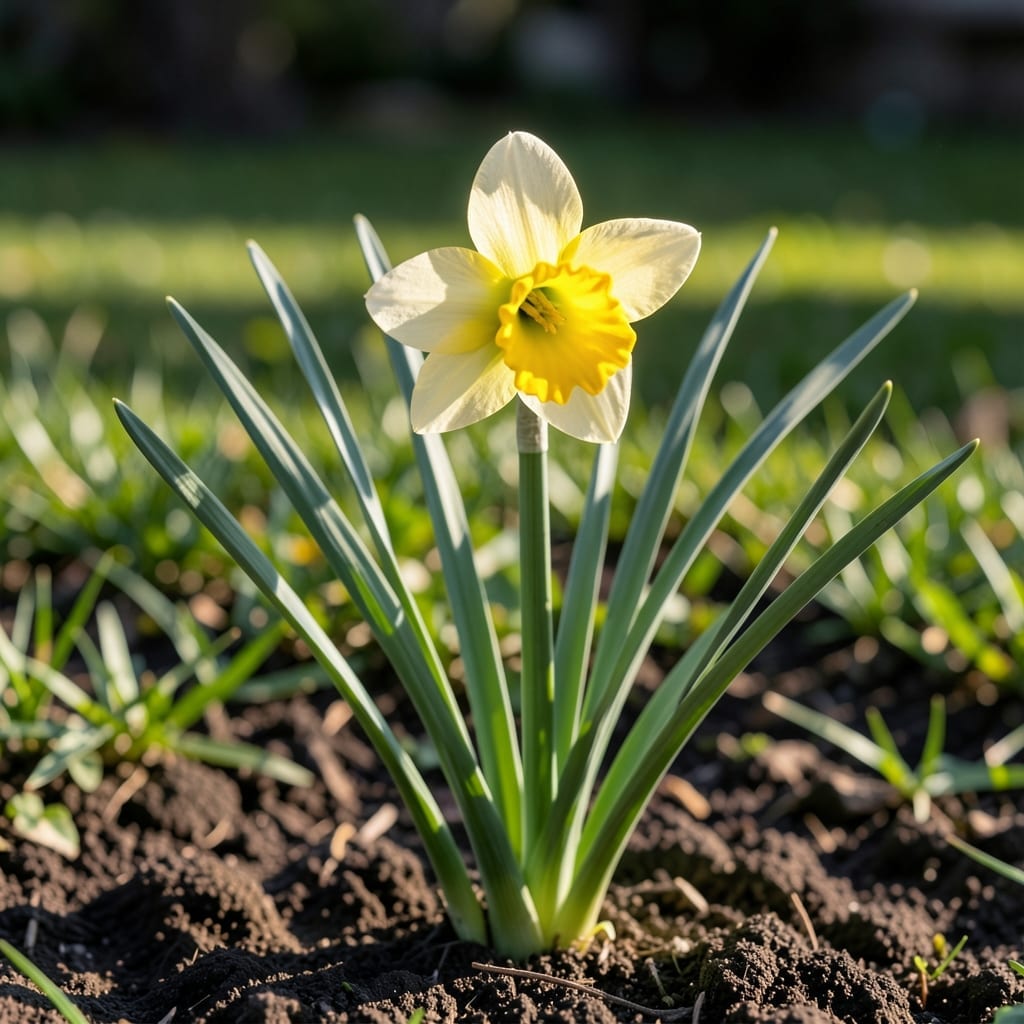
Yes, daffodils are classic perennials that return year after year from underground bulbs, blooming in spring and entering dormancy in summer.
I love how these hardy plants store energy in their bulbs during summer dormancy, then burst back to life each spring with vibrant blooms. Their reliability makes them a favorite for gardeners wanting low-maintenance color that improves over time. Plus, with proper care, a single bulb can multiply into clusters, creating an ever-expanding display year after year. ✨
💡 In This Article
The secret lies in their specialized underground storage organs. Daffodil bulbs are modified stems packed with nutrient-rich scales that store carbohydrates, proteins, and moisture during the plant’s 6-8 week summer dormancy. These reserves fuel the next spring’s explosive growth, allowing the plant to sprout even before soil temperatures rise. 🔥
As temperatures drop in fall, the bulb develops new roots and begins converting stored starches into sugars. This chemical transformation creates the energy needed for early spring blooming—often 2-4 weeks before the last frost. The bulb’s papery tunic protects it from drying out while maintaining this delicate balance of dormancy and preparation.
What makes daffodils particularly reliable is their ability to photosynthesize through their leaves even after blooming. This post-flowering period is critical: the foliage continues gathering sunlight for 6-8 weeks after petals fade, replenishing the bulb’s energy reserves for the following year. Cutting leaves prematurely can reduce next season’s blooms by up to 50%. ✨
The bulb’s contractile roots pull it deeper into the soil each year, typically 2-4 inches below surface level. This natural movement protects the bulb from temperature fluctuations while ensuring consistent access to moisture. The process also helps daffodils thrive in USDA zones 3-8 without winter protection.
This sophisticated storage system allows some daffodil varieties to persist for 50+ years in ideal conditions. The ‘Tête-à-Tête’ cultivar, for instance, naturalizes so well that single plantings can multiply into dense colonies of 50+ blooms within a decade, creating stunning early spring displays. 💫
With proper care, daffodil bulbs can thrive for 5+ years in the same spot. Some varieties, like ‘Tête-à-Tête’, may last 50+ years and multiply into large colonies. Their longevity depends on ideal growing conditions and minimal disturbance.
Common reasons include cutting back foliage too soon or planting in too much shade. The leaves need 6-8 weeks post-bloom to replenish the bulb’s energy. Overcrowding or poor soil drainage can also reduce flowering.
Yes, but they need deep pots with good drainage and a quality potting mix. Plant bulbs 2-3 times their height deep, water regularly, and provide winter protection in colder climates. They may not naturalize as well as in-ground plantings.
Divide clumps every 3-5 years in early summer after foliage dies back. Lift the bulbs, separate offsets, and replant the healthiest ones immediately. This prevents overcrowding and ensures vibrant blooms.