
Beautiful Plants For Your Interior
Beautiful Plants For Your Interior
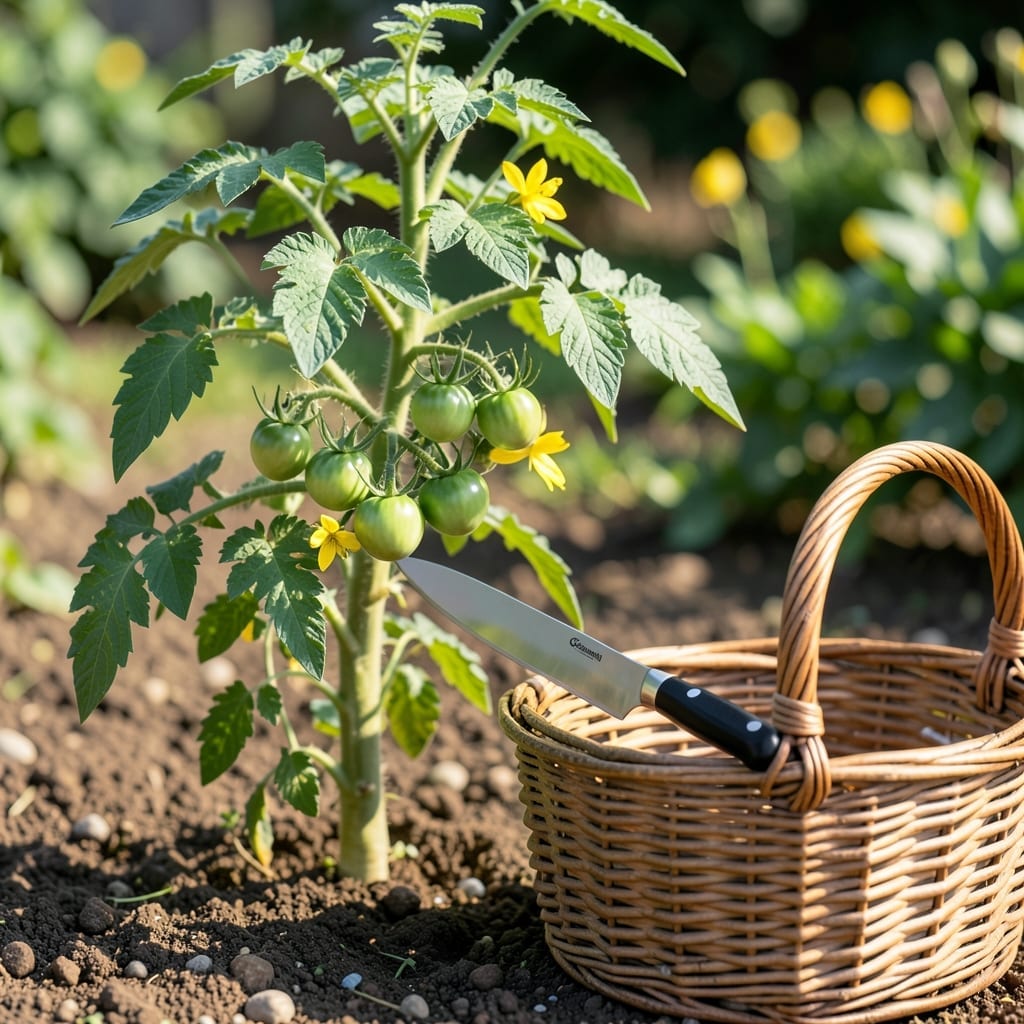
Cooked green tomatoes are generally safe to eat in moderation as heat reduces solanine levels, but avoid them if unripe and bitter-tasting. Always cook thoroughly.
The solanine in unripe tomatoes breaks down when exposed to high heat, making them safer for consumption. I’ve noticed that thoroughly cooked green tomatoes lose that sharp, bitter edge that signals higher toxicity. Still, I recommend tasting a small piece first—if it’s overly bitter, it’s best to discard it. This precaution ensures you enjoy the dish without risk. ✨
For best results, use recipes that involve prolonged cooking, like frying or baking at 350°F or higher. 🔥
💡 In This Article
Green tomatoes contain solanine, a glycoalkaloid compound that acts as a natural defense mechanism in nightshade plants. This toxin is concentrated in the green parts of the plant, including unripe fruit, at levels up to 32-108 mg/kg.
The body reacts to solanine in doses above 2-5 mg/kg of body weight, which can cause nausea and digestive distress in sensitive individuals.
Heat breaks down solanine through a process called thermal degradation. Studies show that cooking at 170-212°F for 30-60 minutes can reduce solanine content by 40-60%. This is why fried green tomatoes, which reach internal temperatures of 165°F+ during cooking, are significantly safer than raw green tomatoes.
The longer the cooking time, the more the toxin degrades. 🔥
The bitterness in green tomatoes serves as a warning sign. Solanine has a distinctly bitter taste, so tomatoes that taste sharply bitter likely contain higher concentrations. I always recommend discarding any green tomato that maintains a strong bitter flavor even after cooking.
This sensory test is more reliable than color alone, as some heirloom varieties stay green when ripe.
For context, a person weighing 150 lbs would need to consume about 2-4 pounds of raw green tomatoes in one sitting to reach problematic solanine levels. With proper cooking, this threshold increases significantly. Still, it’s wise to enjoy cooked green tomatoes as an occasional treat rather than a daily staple. ✨
Commercial tomato breeds have been selectively developed to contain lower solanine levels than wild varieties. However, home-grown tomatoes or heirloom types may have higher concentrations. When in doubt, opt for thoroughly cooked preparations and moderate portion sizes to minimize any potential risk.
Raw green tomatoes contain solanine, which can cause nausea or digestive upset in large amounts. A 150 lb person would need to eat 2-4 pounds to reach problematic levels, but bitter ones should always be discarded.
Frying at 350°F for 3-4 minutes per side or baking at 375°F for 20-25 minutes are most effective. These high-heat methods ensure thorough cooking and maximum solanine reduction.
Taste a small piece first. If it’s still sharply bitter, the solanine content may remain high. Discard any that taste overly bitter even after cooking.
Peeling removes most solanine, which concentrates in the skin. Blanch tomatoes for 30 seconds, then shock in ice water to easily remove skins before cooking.