
Beautiful Plants For Your Interior
Beautiful Plants For Your Interior
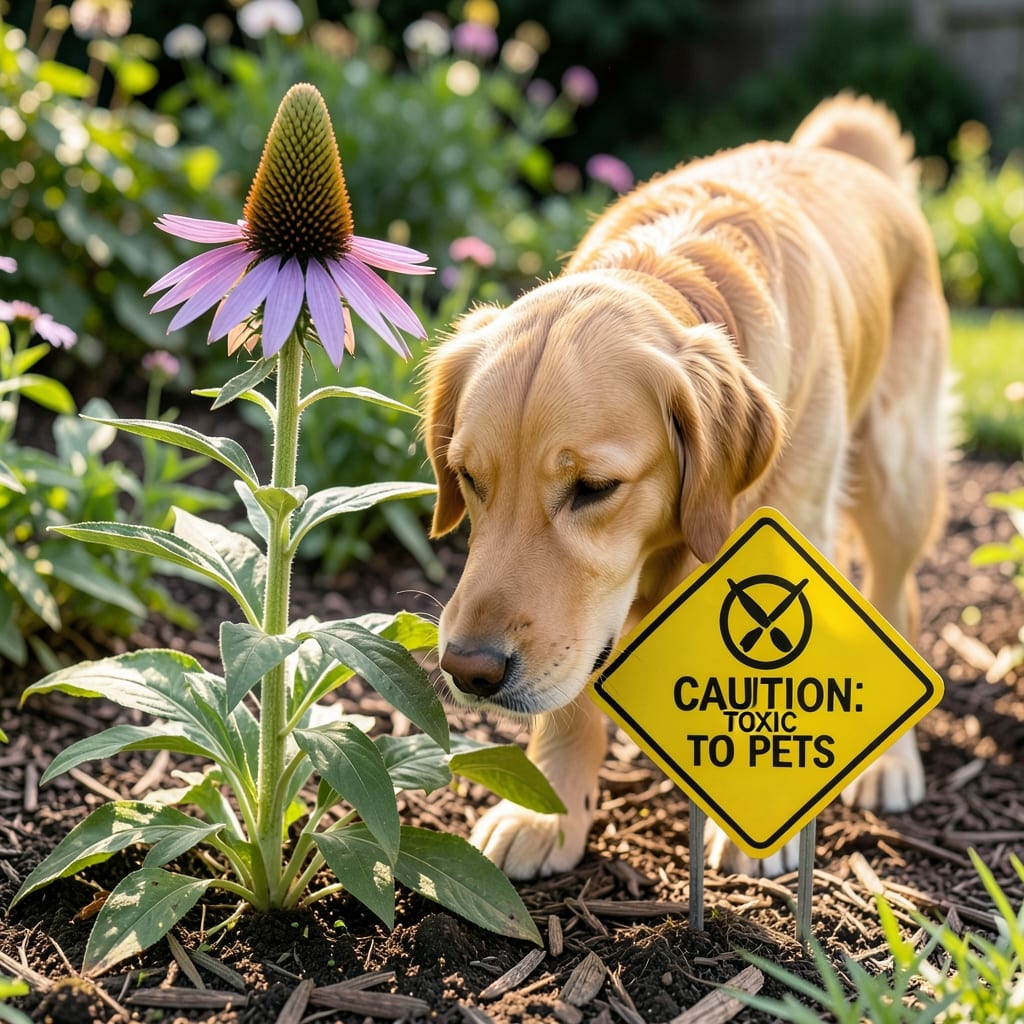
Cone flowers are generally non-toxic to dogs according to the ASPCA, but mild stomach upset may occur if large quantities are ingested.
As a pet owner, I appreciate that these vibrant blooms lack the toxic compounds found in many other garden plants. 🌟 The ASPCA’s classification gives me confidence, though I still monitor my dog around them since even safe plants can cause issues if overconsumed. Their natural resistance to pests also means fewer chemicals in my garden that might affect my pets.
💡 In This Article
The safety of cone flowers for dogs stems from their chemical composition. Unlike toxic plants such as foxglove or oleander, cone flowers (Echinacea species) lack cardiac glycosides, alkaloids, or other harmful compounds that trigger severe reactions. Their natural chemistry centers around immune-boosting polysaccharides and beneficial antioxidants, which are harmless in typical garden exposure quantities.
When dogs do react, it’s usually due to the plant’s fibrous texture irritating their digestive tract. The ASPCA notes that large amounts—think 10+ flower heads for a medium dog—may cause vomiting or diarrhea. 🌟 This isn’t toxicity but rather a mechanical response to excessive plant material.
The compounds in Echinacea that make it medicinal for humans have minimal impact on canine physiology.
Scientifically, cone flowers belong to the Asteraceae family, which also includes safe plants like daisies and sunflowers. Their toxicity classification as “non-toxic” comes from extensive veterinary studies showing no systemic effects. What’s fascinating is how their sturdy stems and slightly bitter taste naturally deter most dogs from overconsumption in the first place.
Monitoring is still wise because individual sensitivities vary. Some dogs might develop mild allergic reactions, shown through itchy skin or excessive drooling. These cases are rare but worth noting, especially with first-time exposure.
The plant’s pollen can also occasionally trigger sneezing in sensitive pups, though this is more of an irritation than a true toxicity concern.
For perspective, cone flowers rank similarly to carrots in pet safety—technically edible but not nutritionally necessary. Their primary benefit in pet-friendly gardens is their deer resistance, which means fewer pesticides are needed. This makes them a favorite among eco-conscious pet owners who want beautiful, low-maintenance landscaping without chemical concerns. ✨
Monitor for 24-48 hours for mild stomach upset. Offer water and withhold food for a few hours if vomiting occurs. Contact your vet if symptoms persist or worsen.
Yes, all Echinacea species (purple, white, yellow) are classified as non-toxic by the ASPCA. Their chemical makeup lacks harmful compounds found in dangerous plants.
Rarely, some dogs may show mild allergic signs like itchy skin or sneezing. This is typically from pollen contact rather than true toxicity.
Plant them in raised beds or use fencing. Train your dog with a “leave it” command. Start with 1-2 plants to test their interest.