
Beautiful Plants For Your Interior
Beautiful Plants For Your Interior
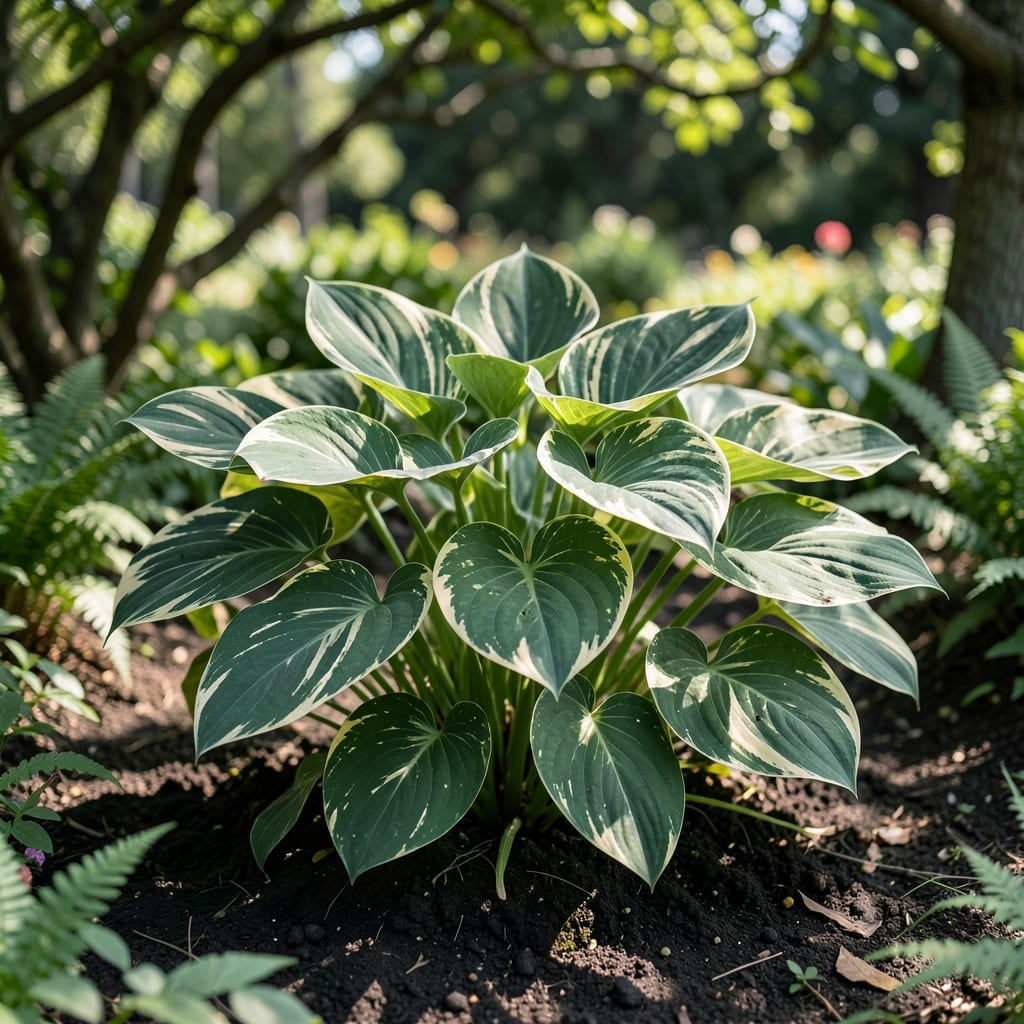
Yes, colored hostas are real and naturally occur through selective breeding, offering varieties with blue, gold, white, and variegated foliage in addition to traditional green.
These vibrant plants have been cultivated for decades to enhance garden aesthetics with their unique hues. I love how the blue tones come from a waxy coating that reflects light, while gold varieties thrive in sunnier spots. The variegated types often display stunning patterns that can transform any shady garden corner into a visual masterpiece. ✨
💡 In This Article
The stunning hues of colored hostas stem from a combination of genetics and environmental triggers. Chlorophyll levels determine the green base, but anthocyanins create blues and purples, while carotenoids produce golds and yellows. These pigments interact in fascinating ways to create the variegation we admire in gardens. 🔥
Sunlight exposure dramatically affects color intensity. For instance, ‘Blue Angel’ hostas develop their signature powdery-blue coating when grown in partial shade, as direct sun can scorch their delicate leaves. Meanwhile, golden varieties like ‘Sun Power’ actually brighten with more sunlight, up to 6 hours daily. This light responsiveness is why gardeners often experiment with placement.
Selective breeding has amplified these natural variations. Hybridizers cross plants with desirable traits—like the white-centered ‘Francee’ or the chartreuse ‘Limey Lisa’—to create new cultivars. The process can take 7-10 years to stabilize a new variety, as breeders carefully track which seedlings maintain their unique color patterns through multiple generations. ✨
Soil pH also plays a subtle role in color expression. Slightly acidic soil (pH 6.0-6.5) tends to enhance blues and greens, while more alkaline conditions may mute these tones. This is why professional growers often test and amend their soil before planting colored hostas.
The right pH can make the difference between a dull plant and a showstopper. 💫
What’s particularly fascinating is how some varieties change color throughout the season. ‘June’ hostas, for example, emerge with bright gold centers in spring that gradually shift to creamy white as summer progresses. This natural transformation adds dynamic visual interest to landscapes without any effort from the gardener. 🌟
Colors come from natural pigments like chlorophyll (green), anthocyanins (blue/purple), and carotenoids (gold/yellow). Breeders select and cross plants to intensify these traits. Sunlight and soil pH also influence color expression.
Most need consistent moisture and well-draining soil. Blue varieties prefer partial shade, while gold types thrive with 4-6 hours of sunlight. A 2-3 inch mulch layer helps maintain moisture and temperature.
Yes, some varieties like ‘June’ shift from gold to white centers as the season progresses. This natural transformation adds dynamic interest to your garden without extra effort.
Their color comes from a waxy coating that reflects light, creating a powdery-blue appearance. True blue is rare in plants, but these hostas come closest with their unique hue.