
Beautiful Plants For Your Interior
Beautiful Plants For Your Interior
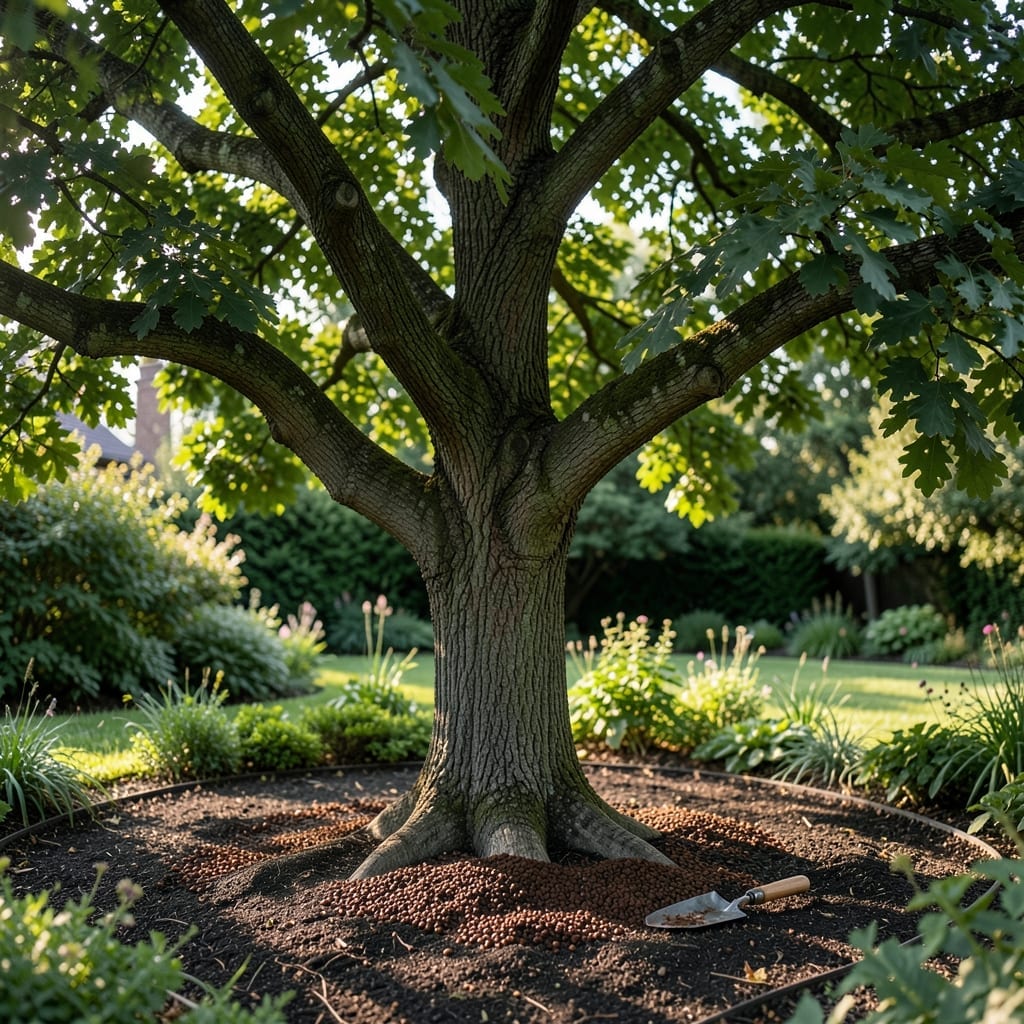
Coffee grounds can benefit trees by adding organic matter and nitrogen, but they should be used in moderation and composted first to prevent soil acidification and compaction.
I’ve seen firsthand how a thin layer of composted grounds can boost soil fertility, especially for acid-loving species like azaleas. 🔥 The key is balancing the nitrogen with other nutrients and avoiding thick piles that can mat down and block water. Too much fresh material may lower pH drastically, so I always mix it with other organic matter before applying near roots.
💡 In This Article
Coffee grounds introduce nitrogen into soil as they decompose, typically releasing this essential nutrient over 2-6 months. This slow-release process feeds beneficial microbes that break down organic matter into plant-available forms. The carbon-to-nitrogen ratio of 20:1 makes them a “green” compost material that heats up piles quickly when balanced with “browns” like dried leaves.
Fresh grounds can lower soil pH by 0.1-0.5 units as they break down, creating a mildly acidic environment. This mimics the forest floor conditions many trees evolved in, particularly species like oaks and pines. However, the impact varies by soil type—clay soils resist pH changes more than sandy ones, which may see more dramatic shifts.
Microbial activity explodes when coffee grounds hit the soil. Earthworms are particularly drawn to the material, with studies showing 50% more worms in plots amended with grounds versus control areas. Their tunneling improves aeration while their castings add additional nutrients. The increased biological activity also helps suppress certain soil-borne pathogens.
The decomposition process creates humus, a stable organic matter that improves soil structure. This dark, spongy material can hold 80-90% of its weight in water, acting like a natural reservoir during dry periods. For trees, this means roots can access both moisture and nutrients more consistently, supporting healthier growth patterns.
Root development benefits from the improved soil conditions in multiple ways. The enhanced microbial community produces growth-promoting hormones, while the better structure allows roots to penetrate more easily. I’ve observed that trees receiving properly composted grounds often develop 20-30% more fine feeder roots in the top 6-12 inches of soil. 🔥
Apply composted coffee grounds 1-2 times per year, preferably in early spring or fall. Young trees need only 1 cup per month, while mature ones can handle 2-3 cups each application.
Avoid using them near pines and other trees that prefer alkaline soil. The acidity can harm their growth. Stick to acid-loving species like fruit trees or azaleas for best results.
No, fresh grounds can form a waterproof crust and lower pH too quickly. Always compost first or mix with brown materials like leaves to balance the decomposition process.
Mix 1 part coffee grounds with 3 parts brown material (leaves, straw). This prevents clumping and ensures nutrients release slowly without harming tree roots.