
Beautiful Plants For Your Interior
Beautiful Plants For Your Interior
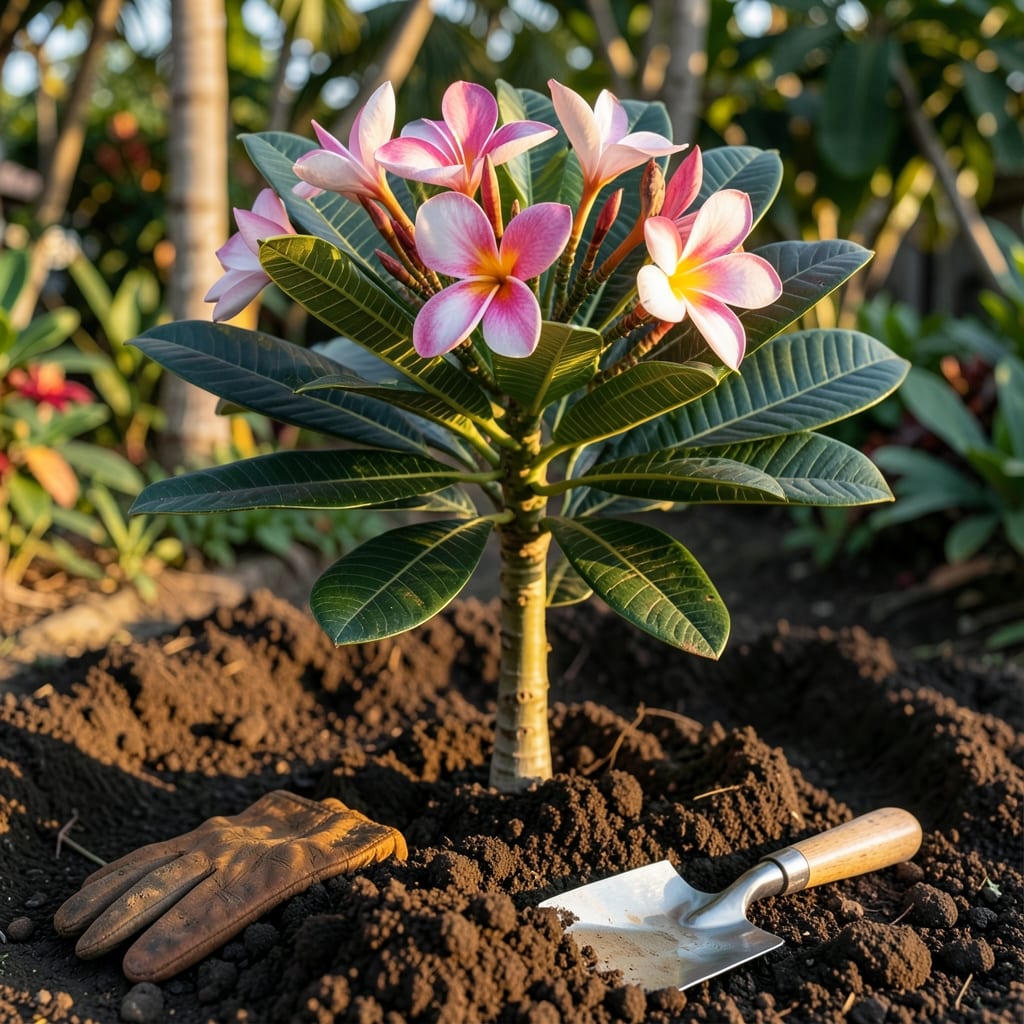
Used coffee grounds can benefit plumeria as a natural fertilizer, adding nitrogen and improving soil structure, but they must be composted first to prevent mold and acidity issues.
I’ve found that plumeria thrives when its soil gets a slow-release nitrogen boost from decomposed organic matter. Composting coffee grounds neutralizes their acidity and allows beneficial microbes to break them down properly. This creates a nutrient-rich amendment that’s gentle on tropical plants. 🌟
In my experience, fresh grounds applied directly can harm the roots, so patience with the composting process is key.
💡 In This Article
Coffee grounds release nitrogen slowly as they decompose, feeding plumeria at a rate of about 2-3% nitrogen by volume. This gradual breakdown prevents the nutrient burn that can occur with synthetic fertilizers. The organic matter also enhances soil structure, improving both water retention and drainage for tropical plants. 🌟
Fresh grounds have a pH of 6.2-6.8, but during composting, microbial activity neutralizes this to around 6.5-7.0—perfect for plumeria which prefers slightly acidic to neutral soil. The decomposition process also creates humic acids that help roots absorb nutrients more efficiently. ✨
What most don’t realize is that coffee grounds stimulate beneficial soil microbes. These microorganisms break down the grounds into plant-available nutrients while suppressing harmful pathogens. I’ve noticed plumeria in coffee-amended soil develop stronger root systems within 4-6 weeks of application. 💫
The carbon-to-nitrogen ratio of 20:1 in coffee grounds makes them a “green” compost material. When balanced with “brown” materials like leaves (40:1 C:N), they create ideal compost that feeds plumeria for months. This ratio explains why fresh grounds alone can rob nitrogen from soil if not properly composted first. ⚡
Plumeria particularly benefits from the micronutrients in coffee grounds like potassium (1-2%), phosphorus (0.3-0.5%), and trace minerals. These support the plant’s famous fragrant blooms and glossy foliage, giving it that vibrant tropical appearance gardeners love.
Use no more than 1/4 cup of composted grounds per plant each month. This prevents nitrogen overload while providing steady nutrients.
No, fresh grounds can harm roots by creating mold and increasing acidity. Always compost first to neutralize pH and prevent issues.
Yellowing leaves or stunted growth indicate excess nitrogen. If this happens, flush the soil and pause applications for 6-8 weeks.
Properly composted grounds rarely attract pests. However, fresh grounds may draw fruit flies, so composting first is essential.