
Beautiful Plants For Your Interior
Beautiful Plants For Your Interior
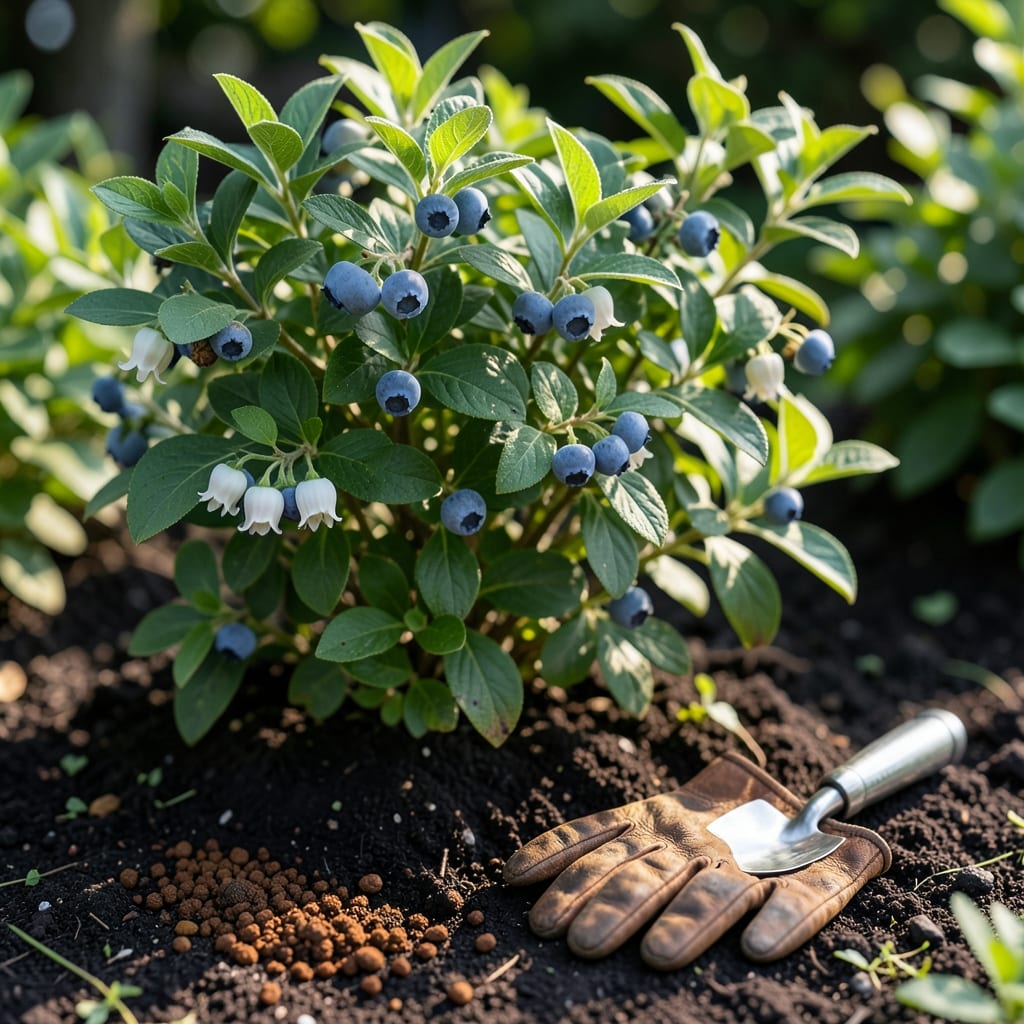
Fresh coffee grounds are mildly acidic with a pH around 6.2 to 6.8, while used grounds become closer to neutral as most acids dissolve during brewing.
I’ve noticed this pH shift firsthand when using grounds in my garden. The brewing process extracts most acidic compounds, leaving spent grounds with a pH near 6.5 to 7.0. This makes them gentler for soil amendment, though I always test my soil first to avoid unintended acidity spikes. ✨
For acid-loving plants like azaleas, fresh grounds can be beneficial in moderation. Yet, for most vegetables, I prefer composting used grounds first to balance their impact. 🔥
💡 In This Article
The acidity shift in coffee grounds happens because hot water extracts soluble acids during brewing. Fresh grounds contain chlorogenic, citric, and malic acids that give coffee its bright, tangy flavor. These compounds dissolve into your cup, leaving spent grounds with 70-80% less acidity. The remaining insoluble acids are bound in the plant fibers. ✨
Typical pH ranges show fresh Arabica grounds at 6.2-6.5, while Robusta tends to be slightly more acidic at 6.0-6.3. Dark roasts often test higher than light roasts because the longer roasting time breaks down more acids. After brewing, both types stabilize around 6.5-6.9, approaching neutral. 🔥
Temperature matters too. Commercial brewing at 195-205°F extracts acids more efficiently than cold brew at room temperature. Cold-brewed grounds may retain slightly more acidity, testing around 6.4-6.6 post-extraction. This explains why cold brew tastes smoother—fewer acids make it to your glass. ⚡
The remaining acids in used grounds are primarily non-volatile. These include phosphoric and quinic acids that don’t evaporate during roasting. What most gardeners don’t realize is that these residual acids continue breaking down in soil, often disappearing within 2-3 weeks of composting. 💫
For comparison, fresh lemon juice has a pH of 2.0, while baking soda sits at 9.0. Coffee grounds occupy that gentle middle ground—mild enough for most plants when used thoughtfully. The key is understanding that fresh and used grounds behave differently in your garden ecosystem. ✨
Used grounds have minimal impact since most acids dissolve during brewing. Their pH of 6.5-7.0 is nearly neutral, making them safe for most plants when composted properly.
Avoid using fresh grounds on alkaline-loving plants like lilacs or asparagus. Even used grounds may be too acidic for these species, which prefer pH above 7.0.
Residual acids in grounds typically decompose within 2-3 weeks in active compost. In garden soil, this process may take 4-6 weeks depending on temperature and moisture.
No, grounds should always be worked into soil. Direct contact with leaves can cause burning or mold growth. Keep them at least 1 inch away from plant stems.