
Beautiful Plants For Your Interior
Beautiful Plants For Your Interior
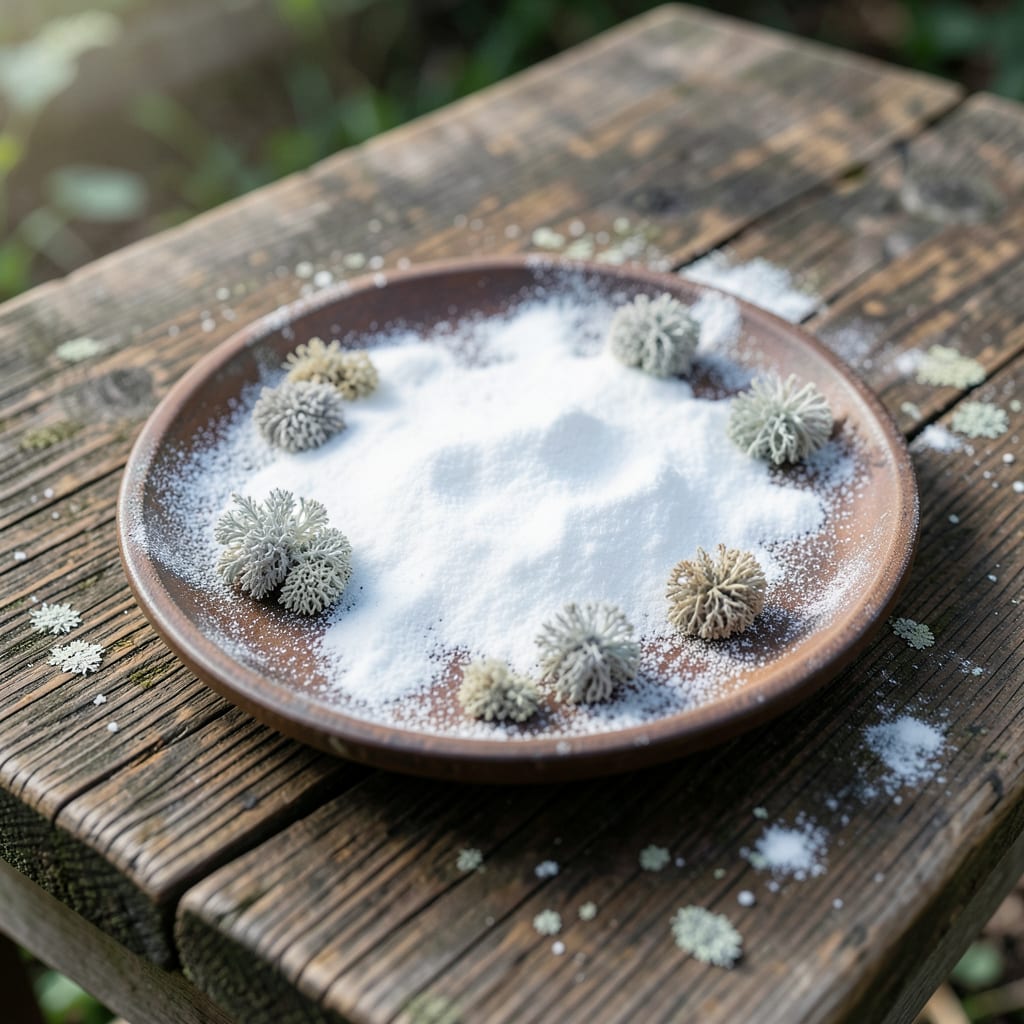
White powder on your leaves is every gardener’s nightmare. Powdery mildew spreads fast, but I’ve stopped outbreaks with a simple household item you probably have right now.
Baking soda changes the pH on leaf surfaces, making it hostile to fungus. Mix it with water and a drop of soap, and you’ve got a spray that works on roses, squash, and cucumbers. I’ve saved countless plants with this method.
Apply in the morning so leaves dry quickly. You’ll see the white spots stop spreading within 24-48 hours, and new growth comes in clean. No harsh chemicals, just science.
Works best as prevention or early treatment. Once mildew takes over, you’ll need to remove affected leaves first. Here’s exactly how to mix and apply it.
Powdery mildew thrives under specific conditions, often catching gardeners off guard. Here’s why it happens and how your environment plays a role:
This fungus loves damp, stagnant air. When humidity spikes above 60%—especially in crowded plantings or shaded areas—spores germinate rapidly. Poor airflow prevents leaves from drying, creating a perfect breeding ground. Think of it like a stuffy room: fresh air disrupts the party!
Some plants are just mildew magnets. Roses, cucumbers, squash, and zinnias have a genetic vulnerability. Their leaf surfaces may lack natural defenses, or their dense foliage traps moisture. Check your plant tags—many hybrids now list mildew resistance.
Watering from above wets the leaves, and if they stay damp for hours (especially overnight), spores take hold. Drip irrigation or soaker hoses deliver water to the roots, keeping foliage dry. If you must use a sprinkler, do it early so leaves dry by dusk.
Too much nitrogen promotes lush, soft growth—exactly what powdery mildew adores. Meanwhile, a lack of potassium or phosphorus weakens plant cell walls, making them easier to infect. A balanced fertilizer (like 10-10-10) helps, but soil tests are your best guide.
Powdery mildew can be stubborn, but baking soda is a simple, effective remedy. Here’s how to tackle it based on the cause:
Fix: Mix 1 tablespoon baking soda, 1 teaspoon liquid soap, and 1 gallon of water. Spray this solution on affected plants weekly. Prevention: Thin out dense foliage to improve airflow and space plants properly.
Fix: Use the same baking soda spray as above, but apply it early in the morning so leaves dry quickly. Avoid evening applications. Prevention: Water plants at the base (not overhead) and use drip irrigation to keep foliage dry.
Fix: Strengthen plants with a preventative spray of baking soda (1 tbsp per gallon of water) every 2 weeks. Prevention: Mulch around plants to stabilize soil temperature and reduce stress.
Fix: Prune infected leaves immediately, then treat remaining foliage with the baking soda spray. Prevention: Follow spacing guidelines for each plant type to avoid overcrowding.
Pro Tip 💡: Always test the spray on a small area first to check for sensitivity. Reapply after rain for best results!
Spray affected plants weekly until the issue clears. For prevention, apply every 2-3 weeks during humid seasons. Always reapply after rain for consistent protection.
Most plants tolerate it well, but test on a small area first. Sensitive varieties like ferns or young seedlings may react poorly. Avoid using on drought-stressed plants.
The soap helps the solution stick to leaves and spread evenly. Use 1 teaspoon of mild liquid soap per gallon to avoid harming plants. Skip harsh detergents entirely.
For advanced cases, remove heavily infected leaves first. Then apply the spray to remaining foliage. Severe outbreaks may need commercial fungicides as a follow-up.
