
Beautiful Plants For Your Interior
Beautiful Plants For Your Interior
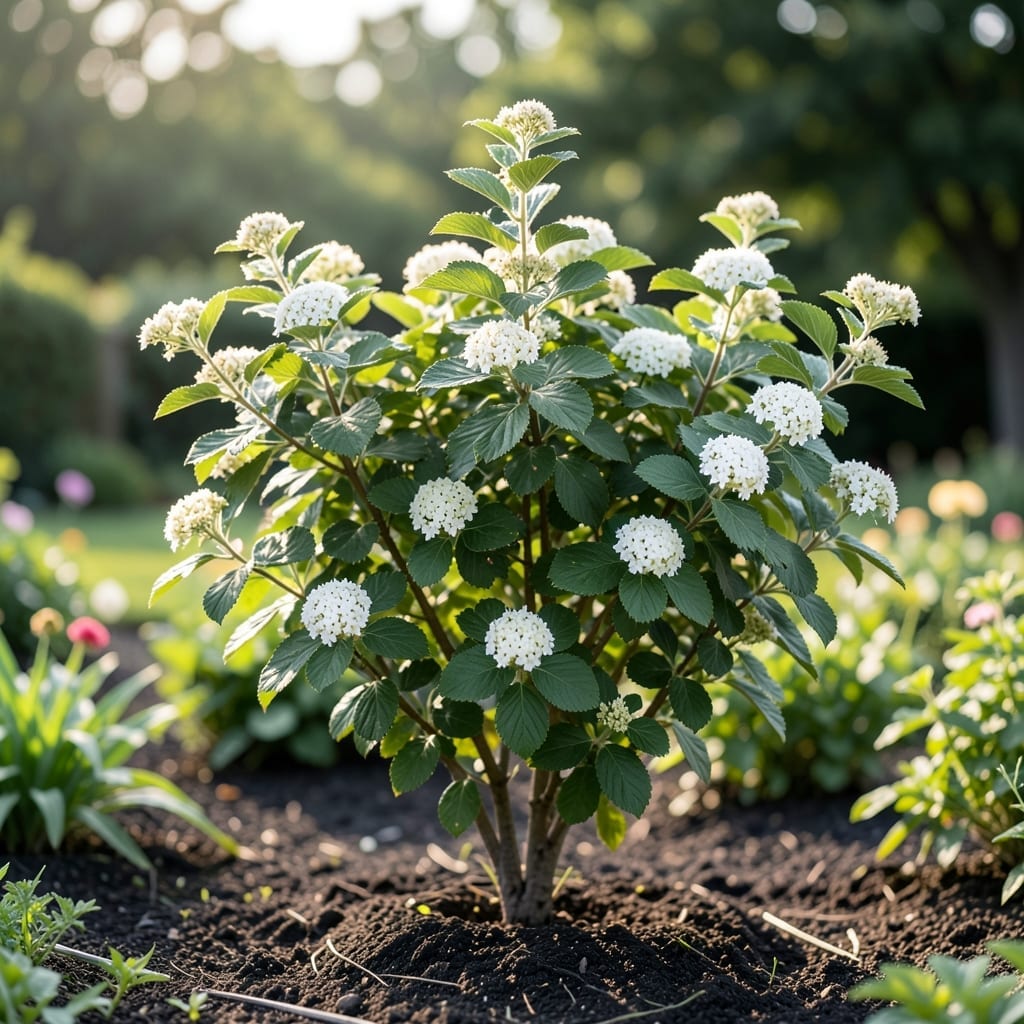
Chokeberries are edible but extremely tart when raw. They are safe to eat when fully ripe and prepared properly, though they may cause mild stomach upset if consumed in large quantities.
I’ve found that their astringent nature comes from high tannin levels, which soften when cooked into jams or syrups. 🌟 These deep purple berries pack a nutritional punch with antioxidants, but their pungency means they’re rarely eaten fresh. Proper preparation transforms them into a delicious, safe addition to recipes.
💡 In This Article
The astringent bite of chokeberries comes from their high tannin content, which can reach 1-2% of the fruit’s weight. These polyphenols bind to proteins in your saliva, creating that mouth-puckering sensation. While not toxic, excessive tannins may cause mild gastrointestinal irritation in sensitive individuals, similar to eating unripe persimmons.
Ripeness dramatically reduces these effects. Fully mature chokeberries develop a deeper purple-black color and slightly softer texture. At this stage, their tannin levels drop by about 30-40%, making them more palatable. The berries also contain cyanogenic glycosides, but in concentrations too low (0.01%) to pose any real danger to humans.
What most people don’t realize is that these same compounds that make chokeberries tart also provide their health benefits. The anthocyanins that give the berries their dark hue act as powerful antioxidants, with ORAC values measuring around 16,000-18,000 per 100g—nearly three times that of blueberries. 🔥
Individual reactions vary based on tolerance levels. Those with sensitive stomachs might experience discomfort after consuming just a handful raw, while others can eat moderate amounts without issue. The key is processing: cooking breaks down cell walls and reduces astringency by about 50%, while also concentrating the natural sugars.
For comparison, chokeberries contain about 5-7% sugar when ripe, versus 10-15% in typical table grapes. This low sugar content contributes to their tartness but also makes them excellent for sugar-conscious recipes when properly prepared.
Eating raw chokeberries is safe but extremely tart due to high tannin content. You may experience mouth puckering or mild stomach upset if you consume large quantities. Cooking significantly reduces these effects.
Ripe chokeberries turn deep purple-black and soften slightly. Their tannin levels drop by 30-40% at this stage, making them more palatable. Avoid green or hard berries, as these are unripe.
Cook with sugar to balance tartness, such as in jams or syrups. Simmer with 1/2 cup sugar per 1 cup berries for best results. They also work well in baked goods when paired with sweeter fruits.
Only pick from pesticide-free areas and ensure correct identification. Misidentifying berries can be dangerous. When in doubt, consult a foraging expert or use a plant identification app.