
Beautiful Plants For Your Interior
Beautiful Plants For Your Interior
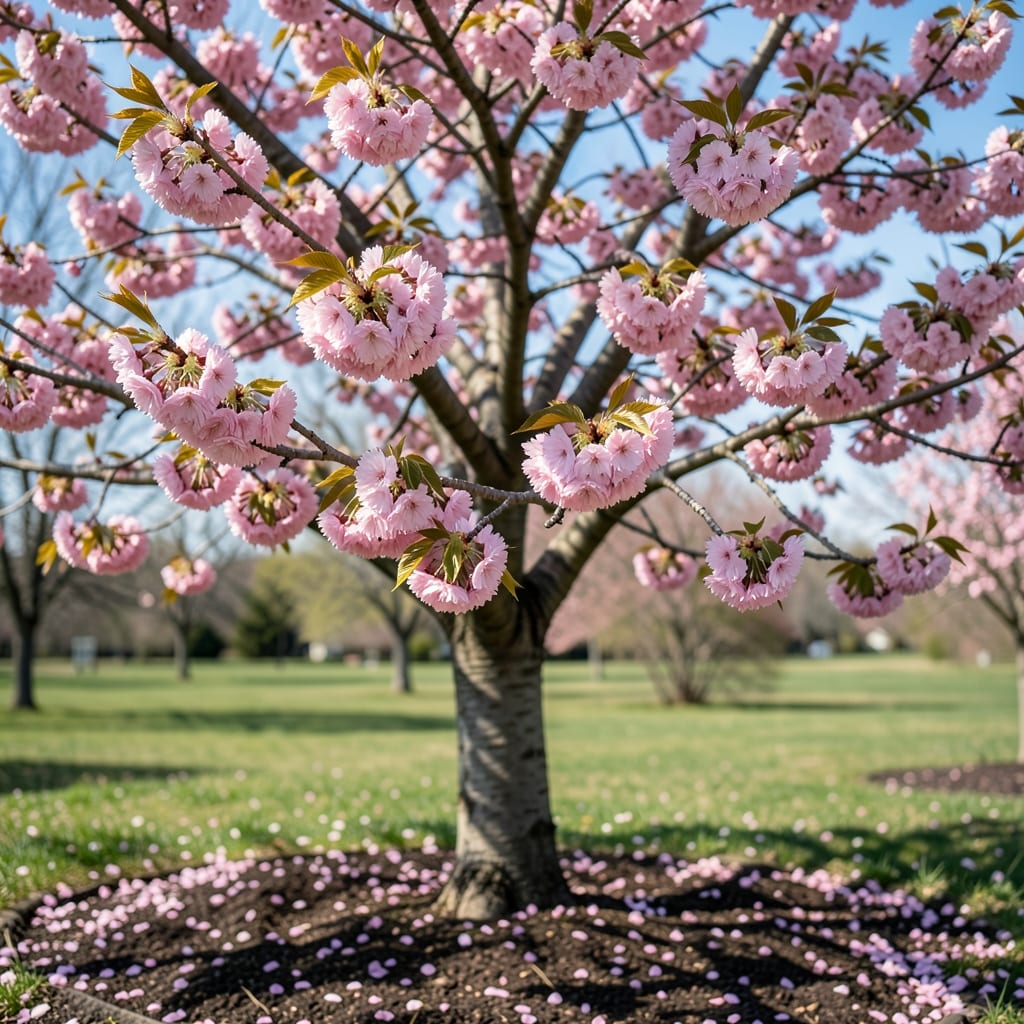
Most ornamental cherry blossom trees are not invasive in North America, but some wild species like Prunus serrulata can spread aggressively and displace native plants in certain conditions.
I’ve noticed that cultivated varieties like Yoshino cherries stay contained in landscapes, but their wild cousins can dominate areas through bird-dispersed seeds. 🌸 This matters because aggressive spreaders can crowd out local flora, altering soil composition and reducing biodiversity. Gardeners should monitor wild varieties and opt for native alternatives when possible to support regional ecosystems.
💡 In This Article
The key difference lies in how these trees reproduce and spread. Ornamental varieties like Kwanzan or Yoshino cherries produce fewer viable seeds, often sterile, limiting their ability to self-sow.
In contrast, wild species such as Prunus serrulata generate abundant small fruits that birds consume and disperse across wide areas, sometimes 2-3 miles from the parent tree. 🌸
These wild cherries establish dense thickets through suckering—sending up new shoots from their roots. A single tree can create a 20-foot-wide colony in just 5-7 years. This root system also releases allelopathic chemicals that inhibit the growth of competing plants, giving the cherry trees a distinct advantage in open woodlands or disturbed areas.
The ecological ripple effect becomes significant in sensitive habitats. When cherry thickets dominate the understory, they shade out native wildflowers and shrubs, reducing food sources for pollinators and wildlife. Studies show areas with dense cherry invasions can experience 30-50% reductions in native plant diversity within a decade. 💫
Soil changes compound the problem. Cherry trees alter nitrogen cycles and leaf litter decomposition rates, which can make the soil less hospitable for native species adapted to local conditions. The trees’ early spring leaf-out also gives them a competitive edge, shading out slower-growing native plants before they can establish.
Climate plays a crucial role in invasion potential. Wild cherries thrive in USDA zones 5-8, where mild winters and consistent moisture support rapid growth. In these regions, they often outcompete native species like serviceberry or dogwood, which have similar light and soil requirements but grow more slowly. ✨
Most ornamental varieties like Yoshino or Kwanzan produce few viable seeds and rarely self-sow. They’re bred for beauty, not aggressive growth.
Wild types like Prunus serrulata thrive in USDA zones 5-8, especially disturbed woodlands or open areas where they can outcompete native plants.
A single tree can create a 20-foot-wide colony in 5-7 years through suckering. Their root systems release chemicals that inhibit competing plants.
They can reduce native plant diversity by 30-50% within a decade, altering soil conditions and shading out local wildflowers and shrubs.