
Beautiful Plants For Your Interior
Beautiful Plants For Your Interior
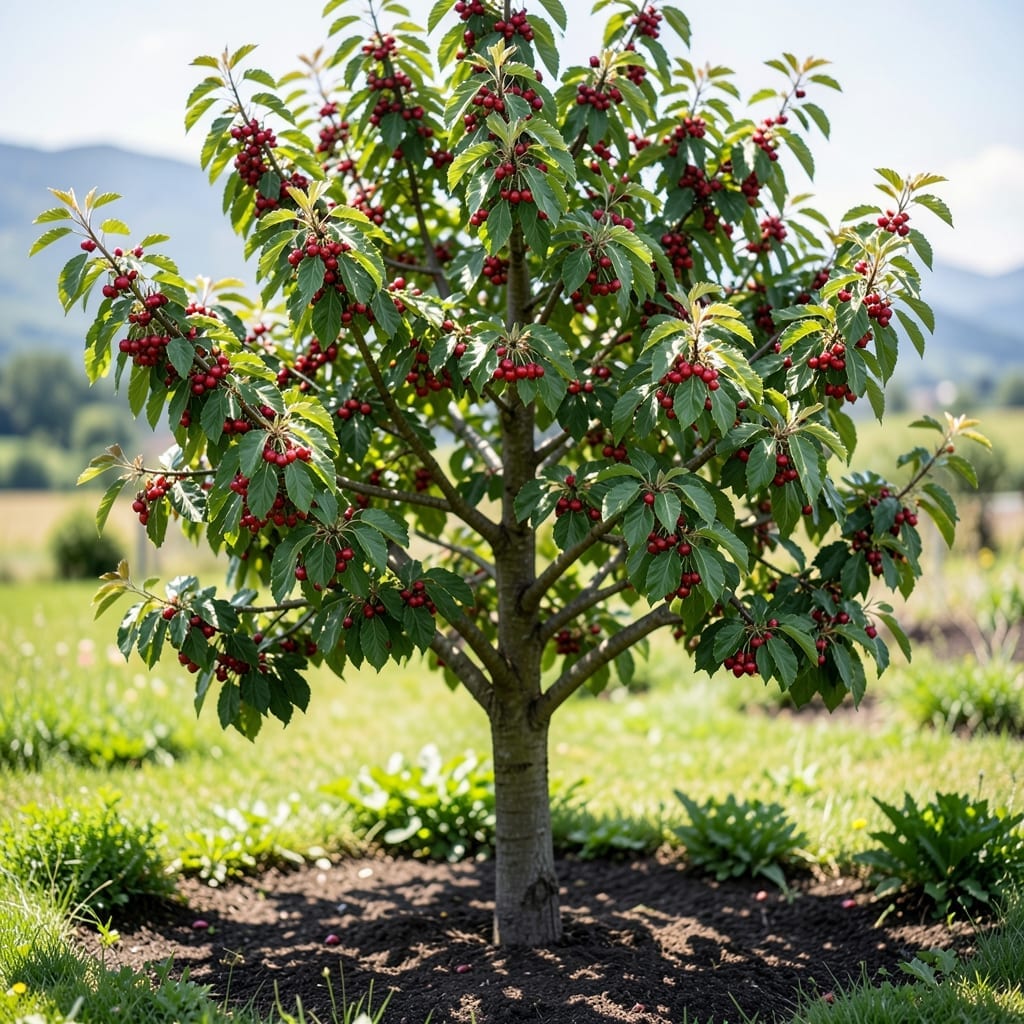
No, cherries are not nightshades. They belong to the Prunus genus in the Rosaceae family, while nightshades like tomatoes and peppers are part of the Solanaceae family.
I often point this out to gardeners who assume all edible plants share similar traits. Cherries grow on trees and produce stone fruits, while nightshades are typically herbaceous plants with berries or pepper-like fruits. This fundamental difference in growth habits and fruit structure makes the distinction clear. 🌟
What surprises many is that some familiar foods like potatoes and eggplants are nightshades, while cherries share their family with almonds and peaches instead.
💡 In This Article
The Rosaceae family includes cherries, almonds, and roses, characterized by their 5-petaled flowers and drupe fruits with a single hard pit. This family’s members typically produce cyanogenic glycosides in their seeds, a defensive compound distinct from nightshade alkaloids. Cherries’ sweet flesh develops from the flower’s ovary, a process called pome formation in botanical terms. 🔥
Solanaceae plants like tomatoes share a different evolutionary path, featuring star-shaped flowers and berry fruits with multiple seeds. Their defining trait is the production of tropane alkaloids, including solanine in potatoes. These compounds serve as natural pesticides, a function absent in cherry plants. The genetic divergence occurred over 100 million years of evolution.
Cherries’ Prunus genus contains over 430 species, from sweet Bing cherries to tart Montmorency varieties. Their classification is confirmed through DNA analysis showing no genetic overlap with Solanum or Capsicum genera. This separation explains why cherries lack the bitter compounds that make unripe nightshades toxic. ✨
Gardeners can identify the difference by examining leaf arrangement: cherries have alternate leaves with serrated edges, while nightshades display opposite leaves that often have smooth margins. The stems of Solanaceae plants also contain a distinctive milky sap when cut, a trait never found in cherry trees. 💫
This botanical distinction matters for allergy sufferers, as Rosaceae allergies (like birch pollen cross-reactivity) are completely separate from nightshade sensitivities. Cherry trees also grow as woody perennials, while most nightshades are herbaceous annuals or short-lived perennials. The structural differences reflect their unrelated evolutionary histories.
Cherries are part of the Rosaceae family, which includes almonds, peaches, and roses. This family is known for its 5-petaled flowers and drupe fruits with a single pit.
Nightshades belong to the Solanaceae family and include tomatoes, potatoes, eggplants, and peppers. These plants often contain alkaloids like solanine, which cherries completely lack.
Yes! Since cherries aren’t nightshades, they’re safe for those with nightshade sensitivities. However, some may have Rosaceae allergies, which are unrelated and require separate consideration.
Cherry trees have alternate, serrated leaves and woody stems, while nightshades often have opposite, smooth leaves and herbaceous growth. Cutting a stem may reveal milky sap in nightshades but not in cherries.