
Beautiful Plants For Your Interior
Beautiful Plants For Your Interior
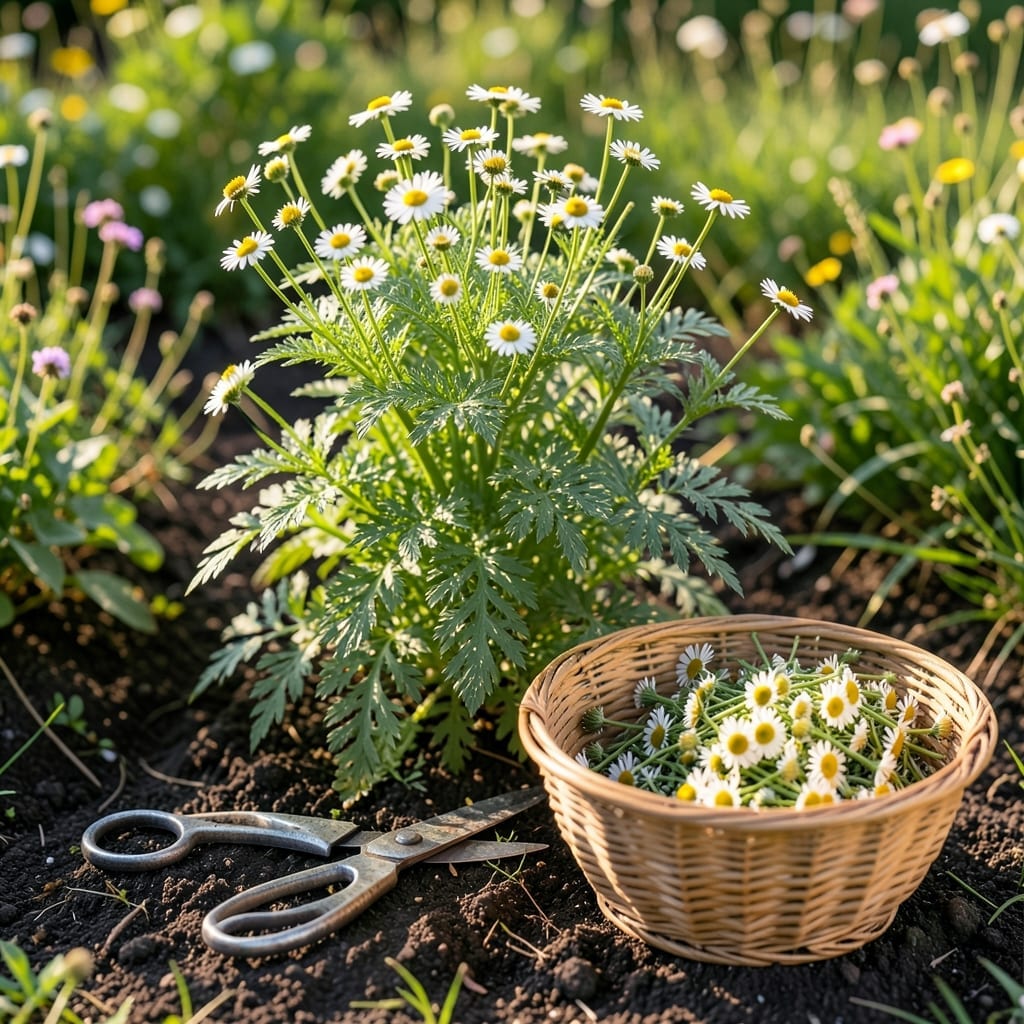
Yes, chamomile flowers are edible and commonly used in teas, salads, and desserts. Both German and Roman varieties are safe when consumed in moderation, though allergic reactions are possible for some individuals.
I love how these delicate blooms bring both flavor and tradition to my kitchen. The daisy-like blossoms add a subtle apple-like sweetness to dishes, and their use dates back centuries in European cuisine. 🌟 Just be sure to source them from pesticide-free areas and avoid roadside picks.
💡 In This Article
Chamomile belongs to the Asteraceae family, which includes ragweed and daisies. For most people, the flowers contain apigenin, a compound that promotes relaxation and is recognized as safe by the FDA. However, those allergic to ragweed may experience cross-reactivity, as the proteins in these plants share similar structures that can trigger immune responses. 🔥
The two most common edible varieties are German chamomile (Matricaria chamomilla) and Roman chamomile (Chamaemelum nobile). Both have been consumed for centuries in traditional medicine and cuisine. German chamomile grows up to 2 feet tall with finely divided leaves, while Roman chamomile is a low-growing perennial with thicker foliage.
Proper identification is crucial to avoid toxic look-alikes like feverfew or dog fennel.
Historical records show chamomile was used in ancient Egypt, Greece, and Rome for its calming properties. The flowers were often steeped in hot water to create infusions that soothed digestive issues. Modern research confirms these traditions, as chamomile tea remains one of the most popular herbal remedies worldwide.
Its mild flavor profile makes it a versatile ingredient in both sweet and savory dishes. ✨
When foraging, always choose flowers from clean, pesticide-free environments. Avoid flowers from florists or nurseries, as they may be treated with chemicals not meant for consumption. Fresh flowers have the most delicate flavor, but dried chamomile retains its properties well when stored in an airtight container away from light and moisture.
For those new to chamomile, start with small amounts to test for any adverse reactions. A mild tingling or itching sensation may indicate an allergy. In culinary use, the petals are the primary edible part, though the entire flower head can be used in infusions.
The flavor is best described as slightly sweet with apple-like notes, which intensify when the flowers are dried. 💫
They have a delicate, slightly sweet flavor with subtle apple-like notes. The taste is mild and floral, which becomes more pronounced when dried.
Only German and Roman chamomile are confirmed edible. Avoid wild varieties, as some look-alikes like feverfew can be toxic. Always verify the exact species before consuming.
Keep them in an airtight container away from light and moisture. Properly stored, they retain their flavor and aroma for up to 6 months.
Yes, the petals can be eaten fresh in salads or as a garnish. For best results, use flowers harvested from pesticide-free areas and rinse them gently before use.