
Beautiful Plants For Your Interior
Beautiful Plants For Your Interior
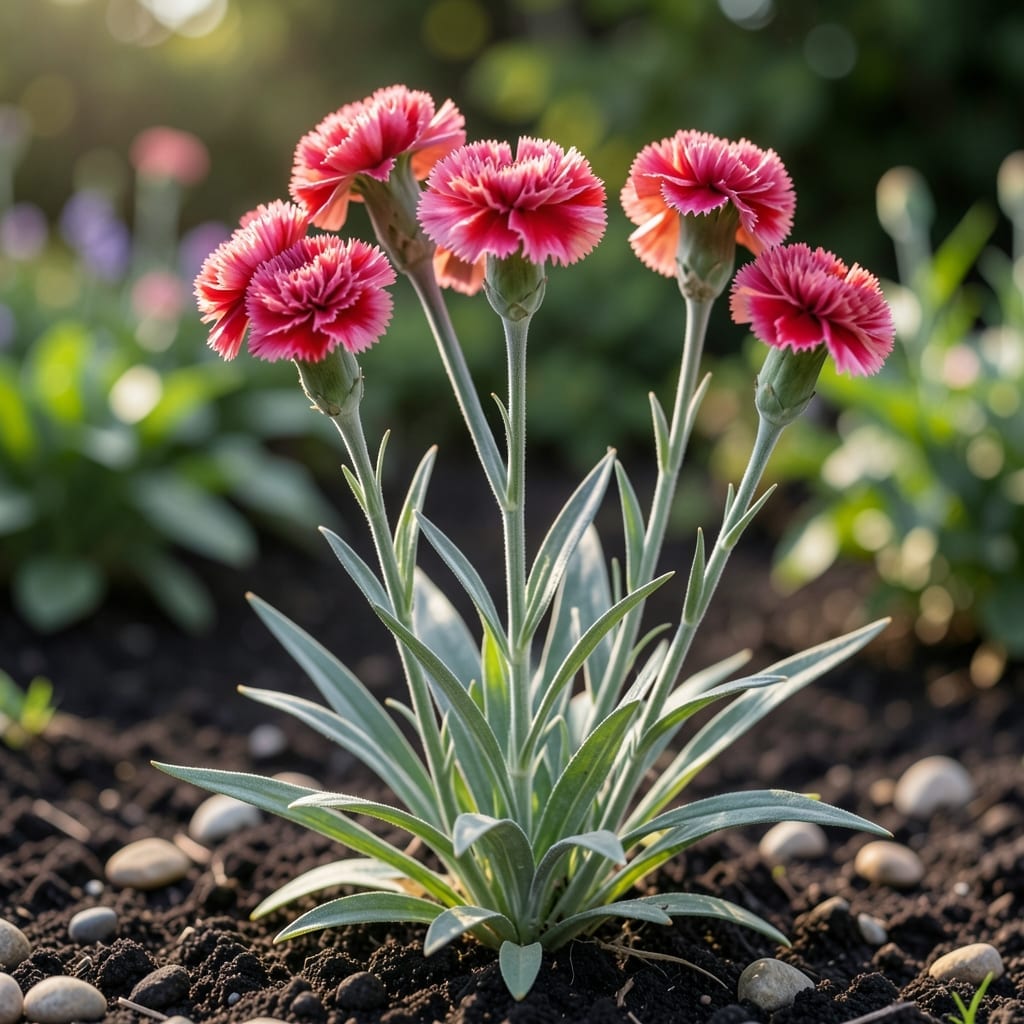
Carnations are typically perennial plants in mild climates, returning yearly, but they’re often grown as annuals in colder regions where frost kills them off.
This dual nature comes down to frost sensitivity. In zones 7-10, they’ll thrive as perennials, regrowing each spring from established roots. 🔥 In colder areas, gardeners treat them as annuals because the first hard freeze will destroy the plants. I’ve found that even in borderline zones, a thick mulch layer can sometimes coax them through winter.
Their adaptability makes carnations unique among flowering plants. Whether you get multiple years of blooms or just one spectacular season depends entirely on your local climate conditions. ✨
💡 In This Article
The lifespan of carnations hinges on their frost tolerance. These plants thrive in USDA zones 7-10, where winter temperatures rarely dip below 0°F. Their root systems remain alive underground even when foliage dies back, allowing new growth to emerge in spring. This is classic perennial behavior, similar to peonies or daylilies. 🔥
In zones 6 and below, carnations can’t survive the freezing soil. The cold damages their crown and roots, killing the plant entirely. Gardeners here must treat them as annuals, planting fresh specimens each year after the last frost. Even in borderline zones, unexpected cold snaps can turn a would-be perennial into a one-season wonder.
Temperature isn’t the only factor. Well-drained soil prevents root rot during winter thaws, while 6+ hours of daily sunlight strengthens the plant’s natural cold resistance. Varieties like ‘Grenadin’ show better hardiness than ‘Sim’ types, which tend to be more frost-sensitive. ✨
Microclimates matter too. A south-facing wall or urban heat island can create pockets where carnations survive winters in zone 6. Mulching with 4-6 inches of straw provides crucial insulation. This explains why the same variety might act as a perennial in one garden and an annual in another just miles away. 💫
For container-grown carnations, the solution is simple: move pots indoors before the first frost. A cool, dark basement or garage with temperatures around 40-50°F keeps them dormant until spring. This method lets northern gardeners enjoy their favorite varieties year after year. ⚡
Carnations thrive as perennials in USDA zones 7-10, where winters stay above 0°F. Below zone 7, they typically won’t survive freezing soil temps.
Yes! Apply 4-6 inches of mulch and plant near a south-facing wall for warmth. Some varieties like ‘Grenadin’ have better cold tolerance.
Move containers to a cool, dark space like a garage when temps drop below 40°F. Water lightly to prevent soil from drying out completely.
In cold climates, frost kills the roots. Without protection, even healthy plants won’t regrow. Mulching and proper drainage improve survival odds.