
Beautiful Plants For Your Interior
Beautiful Plants For Your Interior
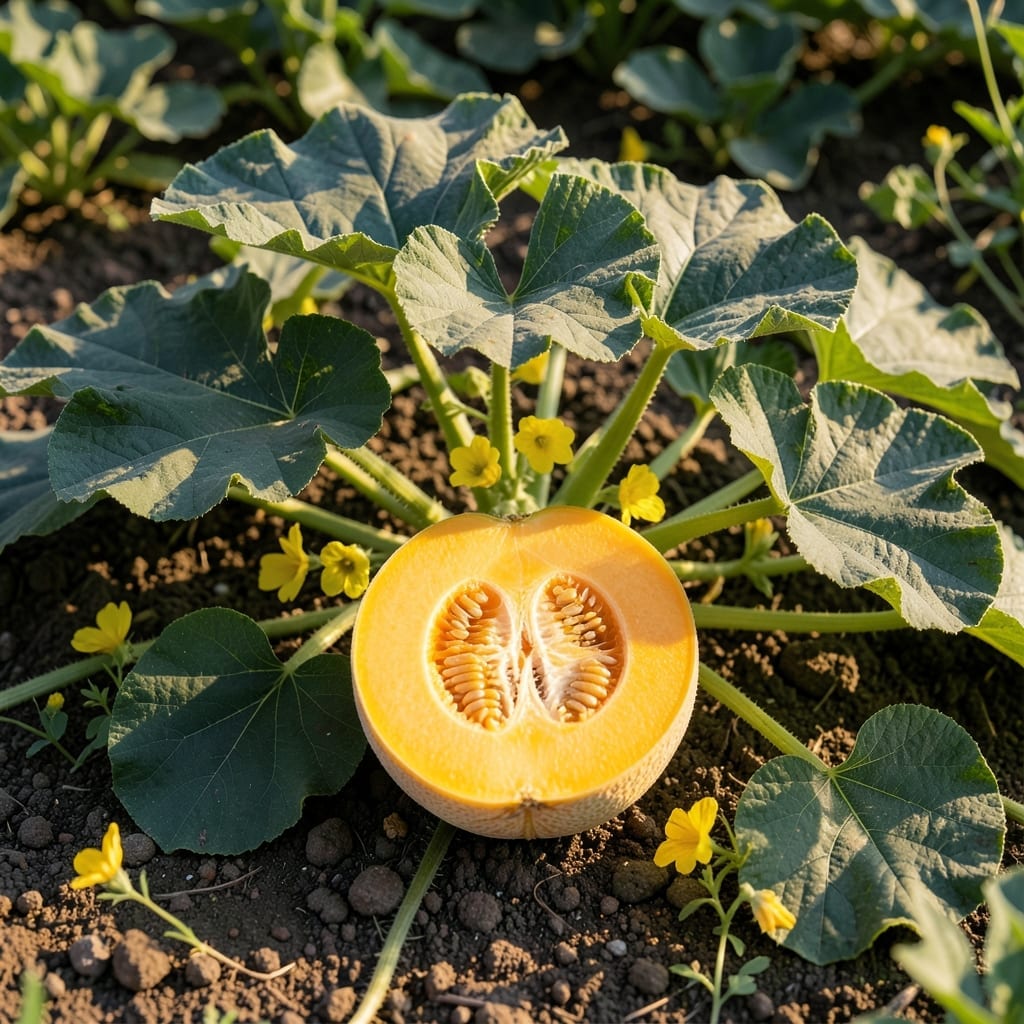
Cantaloupe seeds are edible and rich in healthy fats, protein, and minerals like magnesium and zinc. However, they may contain trace amounts of cyanogenic compounds, so moderation is key.
I love that these tiny seeds pack a nutritional punch with omega-3 fatty acids and fiber, making them a great addition to smoothies or salads. The key is proper preparation—roasting or drying neutralizes most harmful compounds. 🔥 Still, I’d limit intake to 1-2 tablespoons daily to stay on the safe side.
💡 In This Article
These small powerhouses contain 35-40% oil by weight, rich in omega-3 and omega-6 fatty acids that support heart health. The oil composition is similar to pumpkin seeds but with a higher concentration of linoleic acid, which helps reduce inflammation. They also pack 18-20% protein by dry weight, offering all essential amino acids in balanced proportions.
🔥
Mineral-wise, cantaloupe seeds deliver magnesium (about 260mg per 100g), which aids muscle function, and zinc (7mg per 100g) for immune support. Their fiber content sits around 15-18%, promoting gut health by feeding beneficial bacteria. Compared to chia seeds, they offer more magnesium but less calcium.
The seeds also provide B vitamins, particularly niacin and folate, which help convert food into energy. Their antioxidant profile includes phenolic compounds that combat oxidative stress. The seeds’ thin, white husk contains most of these nutrients, so it’s best consumed whole rather than peeled. ✨
What sets them apart is their perfect omega-6 to omega-3 ratio of about 3:1, which is closer to the ideal 2:1 ratio than many nuts. This balance helps maintain healthy cell membranes and reduces chronic disease risk. Their nutritional density rivals sunflower seeds but with a milder, nuttier flavor.
For context, a 1-ounce (28g) serving provides approximately 160 calories, 14g of fat (mostly healthy unsaturated), and 5g of protein. This makes them an efficient energy source, especially for plant-based diets. The seeds’ small size means these nutrients are concentrated in every bite. 💫
They’re packed with omega-3 and omega-6 fats, plus magnesium and zinc. A 1-ounce serving offers about 160 calories, 14g fat, and 5g protein.
Rinse, dry for 24-48 hours, then roast at 300°F for 10-15 minutes. This improves flavor and reduces potential compounds.
Children under 5, pregnant women, or anyone with a compromised immune system should skip them. Stick to 1-2 tablespoons daily for safe consumption.
They have a better omega-6 to omega-3 ratio than most nuts and rival sunflower seeds in density. Their mild, nutty taste works well in many dishes.