
Beautiful Plants For Your Interior
Beautiful Plants For Your Interior
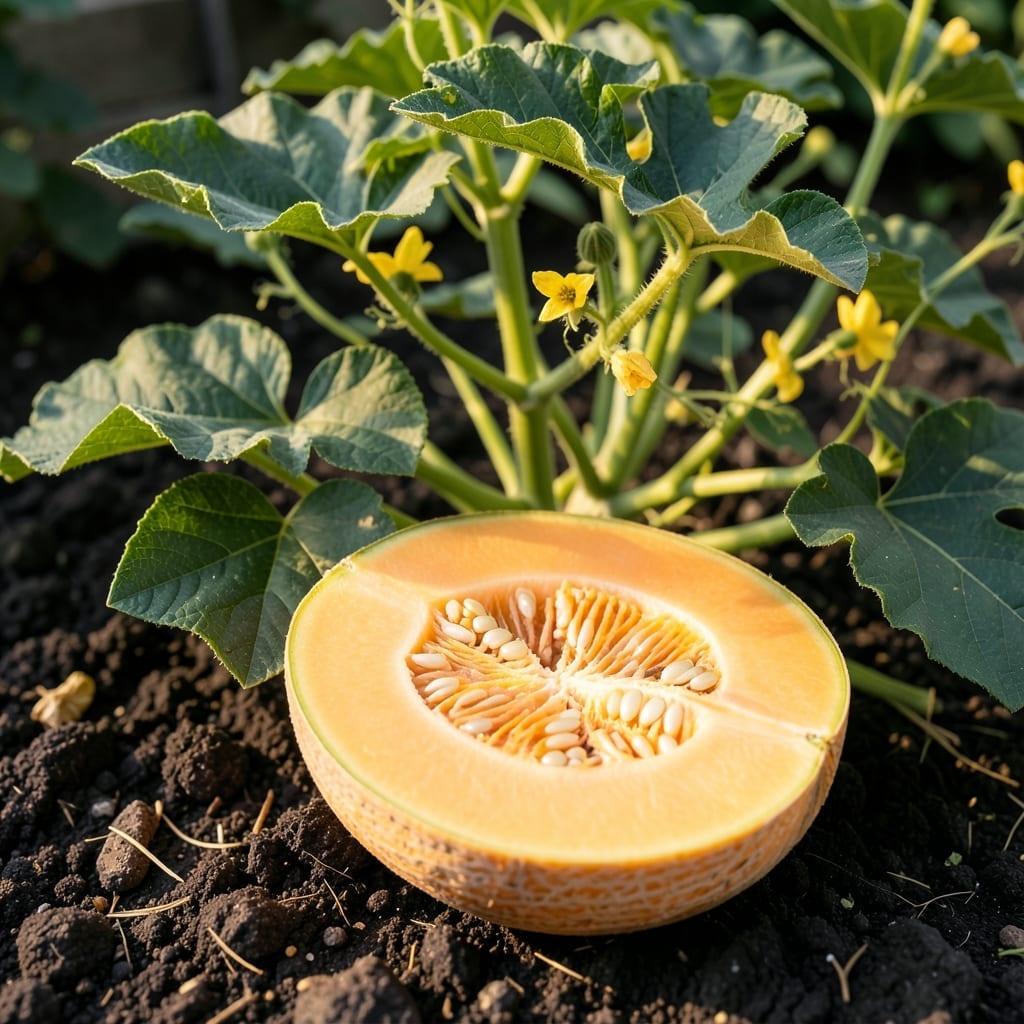
Yes, cantaloupe seeds are edible when dried, roasted, or sprouted. Raw seeds may contain cucurbitacins in rare cases, so proper preparation is recommended for safe consumption.
I’ve discovered that these seeds transform completely with proper treatment—their natural bitterness disappears when toasted, revealing a nutty taste similar to sunflower seeds. 🔥 Sprouting unlocks additional nutrients while reducing potential toxins, making them a great addition to salads or smoothies.
Just remember that bitter-tasting varieties often signal higher cucurbitacin levels, so always taste-test a small amount first.
💡 In This Article
The bitterness in some cantaloupe seeds comes from cucurbitacins, a group of toxic compounds produced naturally by certain melon varieties. These chemicals act as a defense mechanism against pests, but they can cause severe gastrointestinal distress in humans if consumed in large quantities.
The concentration varies widely—wild melons often contain 10-100x more cucurbitacins than cultivated varieties. 🔥
Commercial cantaloupes are typically bred to be cucurbitacin-free, but cross-pollination with wild or bitter melons can introduce these compounds. A simple taste test helps: if a seed tastes intensely bitter, it’s best to discard it.
The threshold for toxicity is approximately 0.1 mg/kg of body weight, meaning a 150 lb person would need to consume several ounces of highly bitter seeds to reach dangerous levels.
Heat treatment significantly reduces cucurbitacin levels. Drying seeds at 140°F for 2-3 hours or roasting at 350°F for 10-15 minutes breaks down these compounds while preserving nutritional value. This process also enhances flavor, transforming the seeds’ profile from potentially harsh to pleasantly nutty. ✨
Sprouting offers another safety layer. The germination process activates enzymes that metabolize cucurbitacins into less harmful substances. After 3-5 days of sprouting in moist conditions, seed toxicity drops by 80-90%. The resulting sprouts contain concentrated nutrients, including protein, fiber, and minerals like magnesium and zinc.
Visual cues can help identify potentially unsafe seeds. Bitter melon seeds often appear darker or have a rougher texture compared to sweet varieties. When in doubt, source seeds from trusted commercial growers who test for cucurbitacin content, or grow your own cantaloupes from certified disease-free stock. 💫
Most store-bought cantaloupe seeds are safe raw, but bitter varieties may contain cucurbitacins. Eating a few won’t harm you, but large amounts could cause stomach upset. Always do a taste test first.
Safe seeds taste mild or nutty. If they’re intensely bitter, spit them out—this indicates high cucurbitacin levels. Commercial cantaloupes are bred to be low in these compounds, but cross-pollination can occur.
Yes, but the resulting fruit may differ from the parent. For best results, dry seeds at 140°F for 2-3 hours to kill potential pathogens before planting. Hybrid varieties often don’t grow true to type.
Clean and dry seeds completely, then store in an airtight container in a cool, dark place. Properly stored, they’ll keep for up to 6 months. For longer storage, freeze them for up to 1 year.