
Beautiful Plants For Your Interior
Beautiful Plants For Your Interior
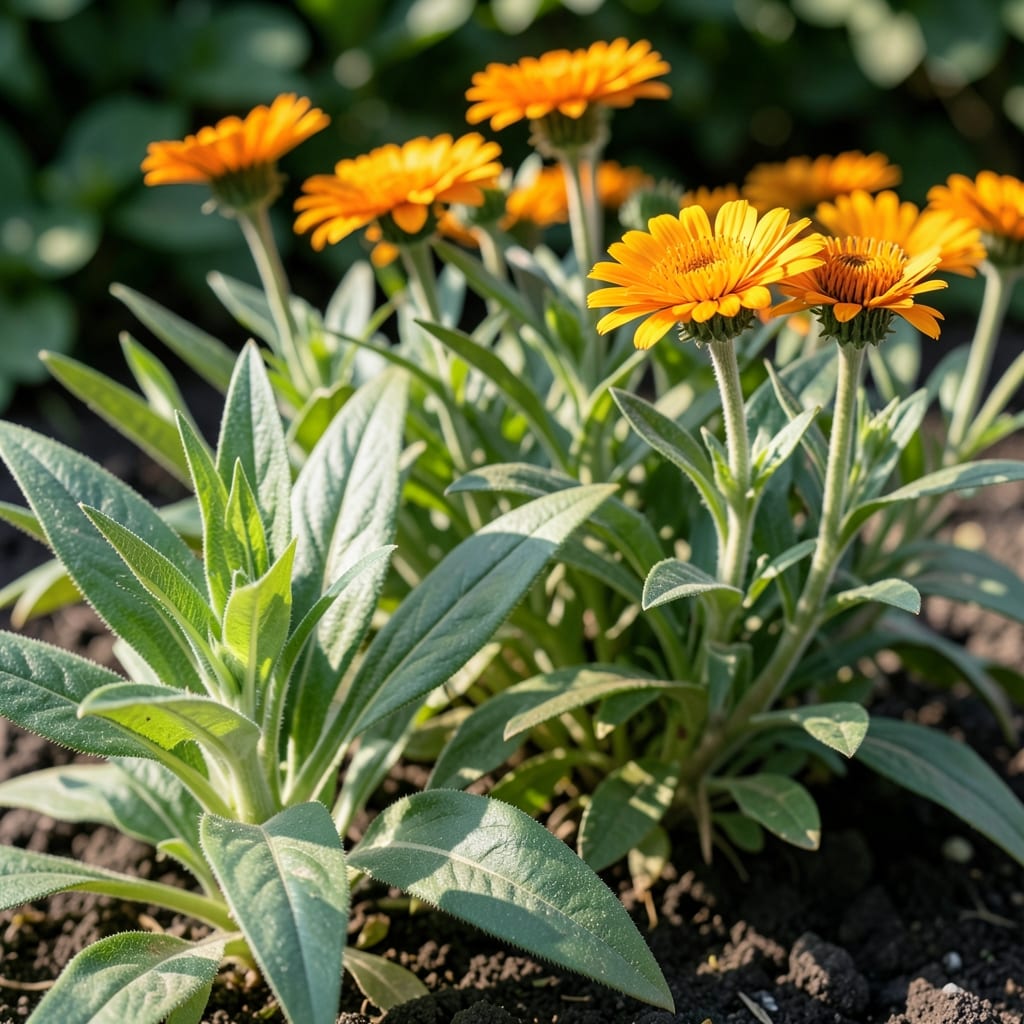
Yes, calendula leaves are edible and often used as a flavorful, slightly peppery addition to salads, teas, or dishes. They are non-toxic but should be consumed in moderation.
I love how these greens bring a unique zing to meals, similar to arugula but with a floral twist. 🔥 Their mild bitterness pairs well with citrus dressings or creamy cheeses, making them a favorite in gourmet kitchens. Just remember to harvest them from pesticide-free plants to ensure safety and best flavor.
💡 In This Article
The edibility of calendula leaves stems from their rich nutritional profile. These greens pack a punch with vitamin A, vitamin C, and calcium, making them a nutrient-dense addition to meals. Their vibrant color signals a high concentration of carotenoids and flavonoids, which act as powerful antioxidants in the body. 🔥
Traditional medicine has long valued calendula for its anti-inflammatory properties, largely attributed to compounds like faradiol and triterpene alcohols. These same compounds contribute to the plant’s mild peppery flavor, which intensifies slightly when the leaves are dried. The leaves also contain small amounts of iron and magnesium, supporting overall health.
What sets calendula apart is its dual role as both food and medicine. The same antioxidants that give it medicinal value also help combat oxidative stress when consumed. Studies show that regular consumption of calendula-infused foods may support immune function, thanks to its high polyphenol content. This makes it more than just a flavorful herb.
For those watching their intake, calendula leaves are low in calories but high in value. A 100g serving contains approximately 20-30 calories, with most of the weight coming from water and fiber. This makes them an excellent choice for adding nutrition without excess calories to your diet.
The plant’s edibility isn’t just about nutrition—it’s also about safety. Calendula is one of the few flowers officially recognized as safe for consumption by major health organizations. Unlike some ornamental plants, it contains no known toxins, though individuals with ragweed allergies should proceed with caution. ✨
They have a mild peppery flavor with a slightly bitter, floral undertone. Fresh leaves are more delicate, while dried ones offer a stronger taste. Think of them as a cross between arugula and dandelion greens.
Raw leaves are perfect for salads or sandwiches. Just ensure they’re pesticide-free and washed thoroughly. Their tender texture works best when torn by hand rather than chopped.
They’re generally safe, but those with ragweed allergies may react. Always start with a small amount. Avoid leaves from plants treated with chemicals or grown near roadsides.
Wrap unwashed leaves in a damp paper towel, then place in an airtight container in the fridge. They’ll stay fresh for up to 5-7 days. Avoid washing until ready to use.