
Beautiful Plants For Your Interior
Beautiful Plants For Your Interior
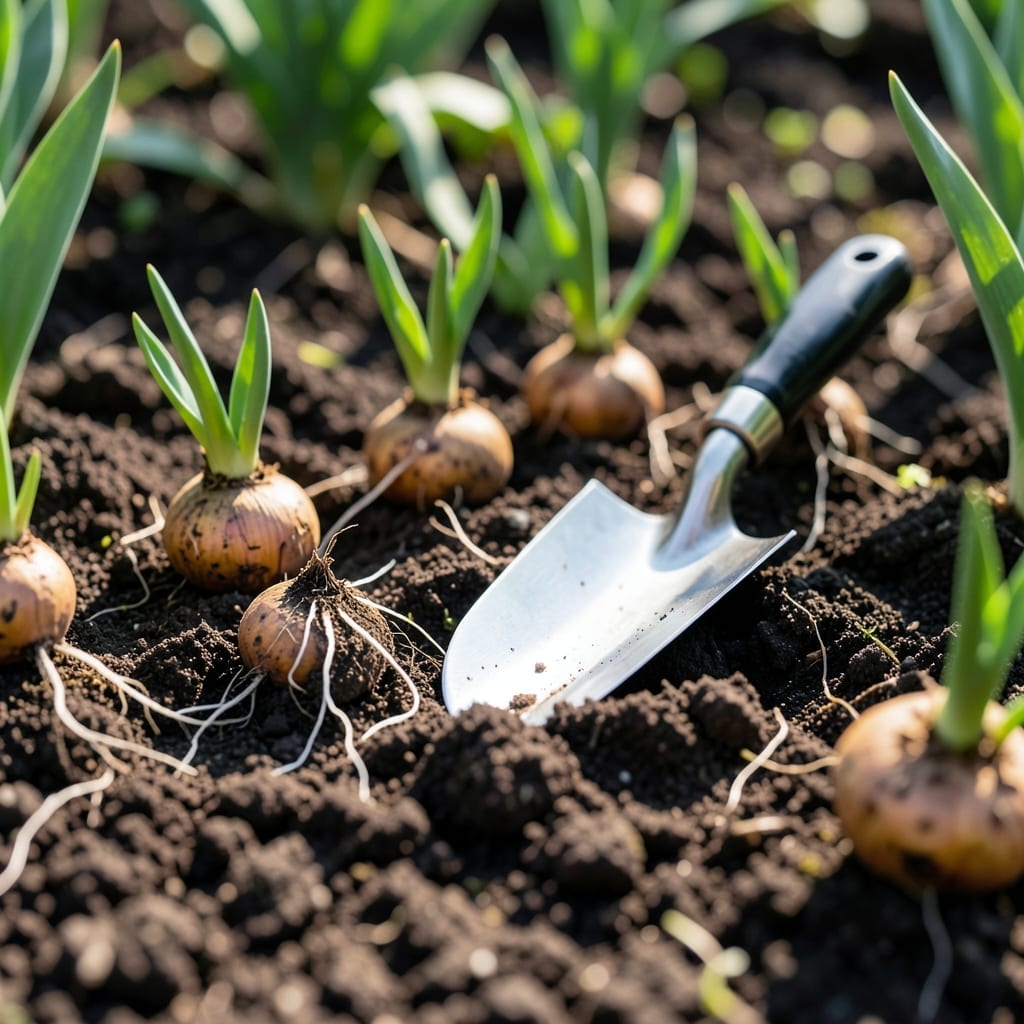
Many bulbs are perennials, returning year after year when planted in suitable climates. True bulbs like daffodils and tulips often regrow, while some tender varieties may need replanting annually.
I’ve seen this firsthand in my garden—hardy bulbs like crocuses and alliums reliably reappear each spring with minimal care. The secret lies in their underground storage organs, which hold energy reserves through dormant seasons. This adaptation lets them thrive for years once established in the right conditions. 🌟
💡 In This Article
Perennial bulbs are nature’s clever storage units. Inside that papery tunic, a true bulb like a daffodil packs 6-12 months of energy as starch in its fleshy scales. When temperatures drop, the bulb enters dormancy, slowing its metabolism to conserve these reserves.
This survival strategy lets it endure freezing winters or hot, dry summers without losing viability. 🔥
The real magic happens underground. A bulb’s basal plate (its root-growing base) develops a network of contractile roots that pull the bulb deeper into the soil—typically 4-8 inches—for protection. Simultaneously, it produces offsets, small clone bulbs that can take 2-3 years to mature and flower.
This multiplication ensures the plant’s return even if the original bulb weakens. ✨
Come spring, stored starches convert to sugars, fueling rapid shoot growth. In tulips, this process can push a flower stem 1-2 inches per day in ideal conditions. The bulb’s outer scales also contain protective compounds that ward off rot and pests during this vulnerable regrowth phase.
This is why well-drained soil is critical—it prevents waterlogging that could trigger fungal attacks. 💫
Climate plays a pivotal role. In USDA zones 3-7, hardy bulbs like hyacinths and crocuses reliably perennialize, while in warmer zones 8-10, many tulip varieties may perform as annuals. The chill period (typically 12-16 weeks below 45°F) is essential for triggering the biochemical changes that lead to spring blooming.
Without it, bulbs may leaf out but fail to flower. ⚡
What most gardeners don’t realize is that bulbs also form mycorrhizal relationships with soil fungi. These beneficial partnerships enhance nutrient uptake, particularly phosphorus, which is crucial for flower formation. This symbiotic system explains why established bulb beds often outperform newly planted ones in both vigor and bloom quality. 🌟
True perennial bulbs store energy in their fleshy scales during dormancy. This lets them survive cold or dry periods and regrow when conditions improve. Hardy varieties like daffodils and crocuses reliably return for 3-5 years or more.
Tender varieties like most tulips in warm climates often perform as annuals. Without a 12-16 week chill period below 45°F, they may not re-bloom. Always check your USDA zone before planting.
Plant in well-draining soil and avoid overwatering. After flowering, let foliage die back naturally for 6-8 weeks to replenish energy stores. Fertilize in fall with a 5-10-10 blend for best results.
Many perennials produce offsets – small clone bulbs. Daffodils and crocuses do this readily, while hyacinths typically don’t. The process takes 2-3 years for new bulbs to reach flowering size.