
Beautiful Plants For Your Interior
Beautiful Plants For Your Interior
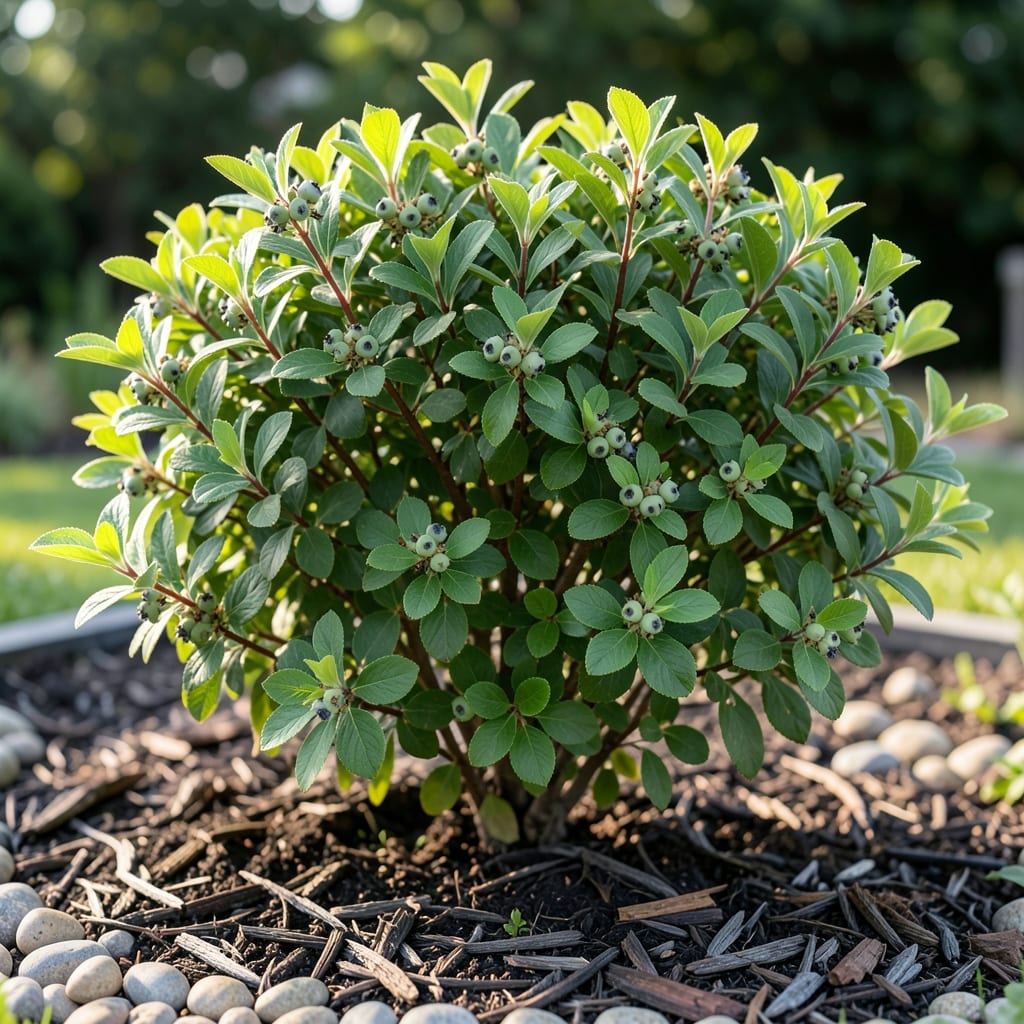
Blueberries start green when unripe and gradually turn blue or purple as they mature. The green color indicates they’re not yet ready to eat.
This color shift happens because chlorophyll breaks down as the fruit ripens, allowing natural pigments called anthocyanins to develop. I’ve noticed that the green stage is just the beginning—you’ll typically see reddish-purple hues before they reach that classic deep blue. 🔥
For home gardeners, this means you can track ripeness by watching the color evolve from green to white to blue over several weeks. The full transformation signals peak sweetness and flavor. ✨
💡 In This Article
The color transformation starts with chlorophyll, the green pigment responsible for photosynthesis in young fruit. As blueberries mature, this compound breaks down, allowing hidden anthocyanins—natural plant pigments—to emerge. These water-soluble compounds develop in response to light and sugar accumulation, shifting the berry’s hue from green to reddish-purple and finally to deep blue.
Anthocyanins thrive in the slightly acidic environment of ripening blueberries (pH 3.1-3.3). The concentration increases as sugars rise from 10% in green berries to 14-18% at peak ripeness. This chemical change explains why unripe berries taste tart—they lack the sweetness that masks their natural acidity.
The color intensity directly correlates with sugar content and flavor development.
You’ll notice the color change progresses in stages. First, the green fades to a whitish hue as chlorophyll degrades. Then, reddish spots appear as anthocyanins begin forming. Finally, the entire berry turns deep blue-purple when fully ripe.
This sequence typically takes 30-60 days from flower pollination to harvest-ready fruit, depending on the variety and growing conditions. 🔥
The waxy bloom that gives ripe blueberries their characteristic powdery appearance is another sign of maturity. This natural coating, called epicuticular wax, protects the fruit and enhances its blue color by scattering light. The bloom becomes more pronounced as anthocyanin levels peak, creating that familiar dusty blue surface gardeners look for. ✨
Environmental factors can slightly alter the timeline. Cooler temperatures slow the process, while warm weather accelerates it. Commercial growers often test berries with a refractometer to measure sugar content (Brix level), with 12-15° Brix indicating optimal sweetness.
Home gardeners can simply watch for that final deep blue color with a hint of purple and a slight give when gently squeezed. 💫
This happens because chlorophyll (the green pigment) breaks down as the berries mature. Natural pigments called anthocyanins then develop, creating the blue hue. The process takes 30-60 days from flowering to full ripeness.
While not toxic, green blueberries taste very tart and lack sweetness. They’re hard and acidic because sugar content is only 10% at this stage. It’s best to wait until they turn fully blue.
Warm weather (70-80°F) accelerates the process naturally. Avoid picking early – once removed from the bush, blueberries won’t ripen further. Patience is key for peak flavor.
They progress through distinct stages: first green, then white as chlorophyll fades. Next comes reddish-purple as anthocyanins develop. The final stage is deep blue with a powdery coating.