
Beautiful Plants For Your Interior
Beautiful Plants For Your Interior
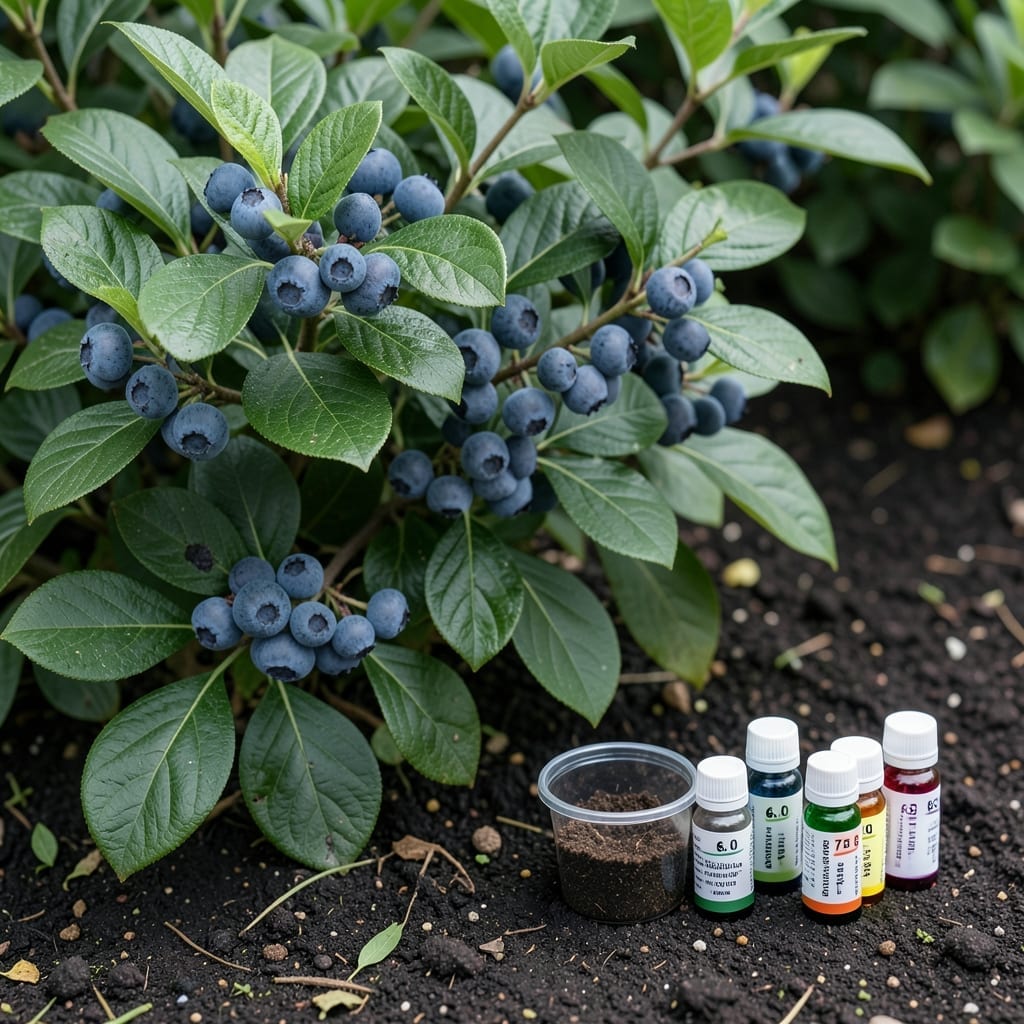
Blueberries are acidic, not alkaline, with a pH typically between 3.1 and 3.3 due to their natural fruit acids. This acidity affects both their flavor and soil preferences for optimal growth.
This natural tartness comes from organic acids like citric and malic acid, which give blueberries their signature zing. 🔥 I’ve noticed that gardeners often need to amend soil with sulfur or peat moss to create the ideal acidic environment. What’s fascinating is how this pH level also enhances the fruit’s antioxidant properties.
💡 In This Article
The natural acidity of blueberries stems from their high content of organic acids. These include citric acid, malic acid, and quinic acid, which contribute to their tangy flavor profile. The pH range of 3.1-3.3 places them in the same category as lemons and oranges, though with a milder taste.
This acidity develops as the berries ripen, with green fruit being more tart than fully blue ones. 🔥
These acids serve important biological functions in the fruit. Citric acid enhances flavor complexity while malic acid provides a sharper tartness. The combination creates that perfect balance between sweet and sour we associate with fresh blueberries.
Interestingly, wild blueberries often register slightly lower on the pH scale than cultivated varieties, sometimes dipping to 3.0 in particularly acidic soils. ✨
From a nutritional perspective, this acidity enhances vitamin C stability. The low pH environment helps preserve the fruit’s antioxidant capacity, particularly its anthocyanins—the compounds that give blueberries their deep blue color. These antioxidants remain more bioavailable in acidic conditions, making fresh blueberries particularly potent.
The tartness also stimulates saliva production, which aids in digestion of the fruit’s natural sugars. 💫
You’ll notice the acidity varies by growing conditions too. Blueberries cultivated in cooler climates tend to develop higher acid levels than those grown in warmer regions. This explains why Maine blueberries often taste tarter than those from Georgia.
The soil’s mineral content also plays a role, with aluminum-rich acidic soils producing fruit with more pronounced acidity. ⚡
This natural acidity affects how we use blueberries in cooking. Their low pH makes them excellent for preserves and jams, as the acid helps with pectin activation. In baking, the tartness balances the sweetness of batters, creating that perfect harmony in muffins and pies.
The acidity also means blueberries pair beautifully with dairy products, where the fat helps mellow the sharpness. 🌟
The tartness comes from organic acids like citric and malic acid. Even ripe blueberries maintain a pH of 3.1-3.3, balancing their natural sugars with this acidity.
Blueberries thrive in highly acidic soil with a pH between 4.0-5.5. Test your soil first, as most garden soils are too alkaline for optimal growth.
Yes! Use a mix of 50% peat moss and 50% pine bark fines. This gives you complete control over the acidic environment they require.
Monitor your soil pH annually, as it can drift over time. Use rainwater or distilled water to avoid alkalinizing effects from tap water.