
Beautiful Plants For Your Interior
Beautiful Plants For Your Interior
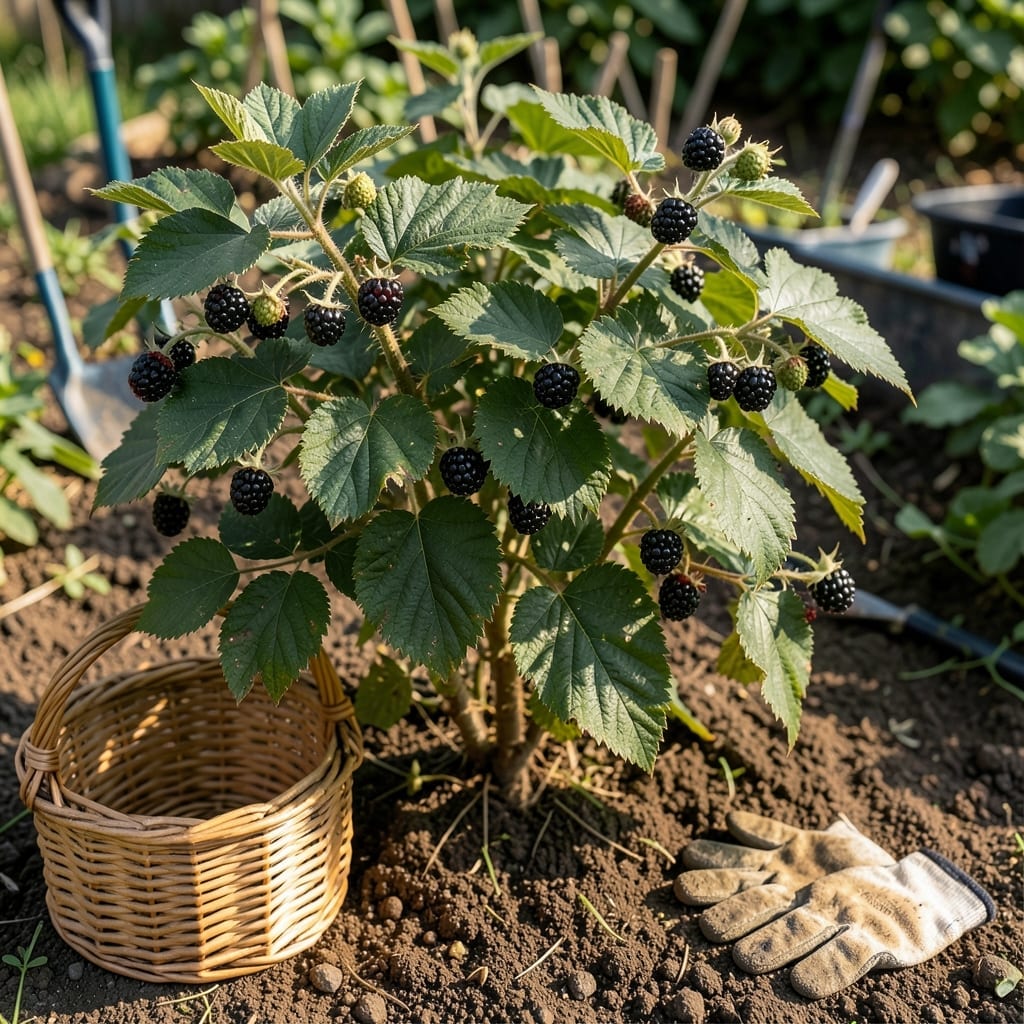
Blackberries turn deep black when fully ripe, but they start green, then red or purple as they mature. Unripe berries may appear dark but lack sweetness.
I notice the color transformation is nature’s way of signaling ripeness. The shift from green to deep black happens because chlorophyll breaks down as anthocyanins develop, giving berries their signature hue. What’s fascinating is that even dark-looking berries might still be tart if picked too early. 🔥
This color journey also affects texture and flavor, with fully ripe ones being plump, glossy, and easily detaching from the plant.
💡 In This Article
The color transformation in blackberries is driven by two key biological processes. As the fruit develops, chlorophyll (the green pigment) breaks down while anthocyanins—water-soluble pigments responsible for red, purple, and blue hues—accumulate. This shift is triggered by sugar accumulation and hormonal changes within the berry.
In the early stages, blackberries are hard and green due to high chlorophyll content. As they mature, the chlorophyll degrades, allowing the underlying anthocyanins to become visible. The final deep black color indicates peak anthocyanin concentration, typically reaching 100-200 mg per 100g of fruit. This process is temperature-dependent, with warmer conditions accelerating color development. 🔥
What’s fascinating is that anthocyanins serve dual purposes. They attract pollinators and seed dispersers with their vibrant colors while also acting as natural sunscreens, protecting the developing fruit from UV damage. The intensity of the black color correlates directly with the berry’s sugar content, which can reach 8-10% in fully ripe specimens.
Environmental factors significantly influence this color change. Berries growing in full sun develop darker colors faster than those in shade. Additionally, water stress can intensify anthocyanin production, resulting in deeper coloration. However, excessive stress may lead to smaller berries with concentrated but less total pigment. ✨
This color evolution isn’t just visual—it’s chemical. The same anthocyanins that create the black hue also contribute to the berry’s antioxidant properties. Wild blackberries often develop more intense coloration than cultivated varieties due to their exposure to more environmental stressors, which boosts anthocyanin production as a protective mechanism.
The color change happens as chlorophyll breaks down and anthocyanins develop. These pigments create the deep hue as the fruit ripens and sugars increase.
Look for a uniform black color with no red or purple patches. Ripe ones should be plump, glossy, and release easily from the plant when gently tugged.
Yes, but they’ll be quite tart. The flavor improves as they darken, with fully black ones offering the best balance of sweetness and acidity.
A dull appearance often means they’re past their peak or were picked too early. Fresh, ripe berries should have a glossy sheen that reflects light.
Most do, but some hybrids may retain slight red or purple tinges even when fully ripe. Always check texture and ease of picking alongside color.