
Beautiful Plants For Your Interior
Beautiful Plants For Your Interior
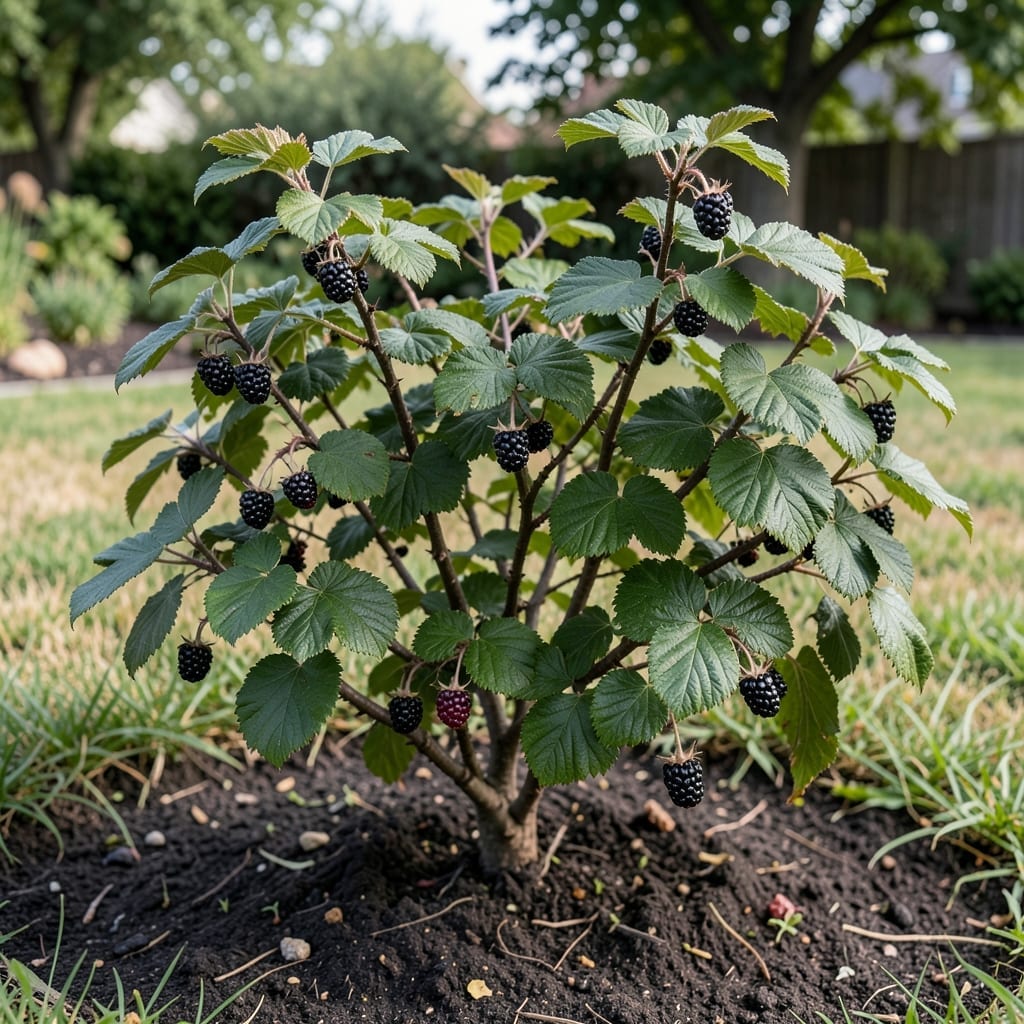
Blackberries are acidic with a pH of 3.5–4.5, not alkaline. Their organic acids like citric and malic contribute to this natural acidity, even when fully ripe.
I often explain that this acidity comes from the fruit’s natural composition, which includes multiple organic compounds. This pH range places them in the same category as many other popular berries like strawberries and raspberries. The tartness you taste is a direct result of these acids, which also help preserve the fruit’s vibrant color and freshness. ✨
What’s fascinating is how this acidity affects everything from baking to gardening techniques. 🔥
💡 In This Article
The tart zing in blackberries comes from their organic acid profile. Citric acid dominates at 50-60% of total acids, with malic and ellagic acids making up the rest. These compounds create that bright, mouth-puckering quality you notice most in underripe berries.
The pH scale measures hydrogen ion concentration, and blackberries clock in at 3.5–4.5, similar to tomatoes but less acidic than lemons.
What’s happening on a molecular level is fascinating. As blackberries ripen, their malic acid content decreases while citric acid remains stable, which explains why the tartness mellows slightly. The ellagic acid also contributes to that characteristic astringency you feel on your tongue.
This balance of acids creates a complex flavor profile that’s both sweet and tangy.
Comparing to other fruits shows how unique blackberries are. They’re more acidic than bananas (pH 4.5–5.2) but less so than oranges (pH 3.0–4.0). The pH measurement is taken from the fruit’s juice, which captures the true acidity level without the fiber interfering with results.
This consistent acidity makes them excellent for jams and preserves, as the natural acids help with preservation.
Gardeners often notice how soil conditions affect berry flavor. While the fruit itself remains acidic, growing in more alkaline soils can reduce its tartness slightly. However, the fundamental acidity of the berry stays within that 3.5–4.5 range regardless of cultivation methods. 🔥
The color of blackberries also ties to their acidity. The deep purple-black hue comes from anthocyanins, pigments that are most stable in acidic environments. This is why blackberry juice maintains its vibrant color better than many other fruit juices when used in cooking or beverages.
Yes, but only slightly. As they ripen, malic acid decreases while citric acid stays stable, softening the tartness. The pH still stays between 3.5–4.5.
This myth confuses the fruit’s pH with its effect on the body after digestion. While blackberries are acidic, some believe their mineral content creates an alkalizing effect post-metabolism.
Not ideally. Blackberry plants thrive in pH 5.5–6.5. In alkaline soil (pH above 7.0), they may show iron deficiency. Amend with sulfur to lower pH gradually.
Blackberries are less acidic than lemons but more so than bananas. Their pH 3.5–4.5 is similar to raspberries and strawberries, with citric acid as the dominant compound.