
Beautiful Plants For Your Interior
Beautiful Plants For Your Interior
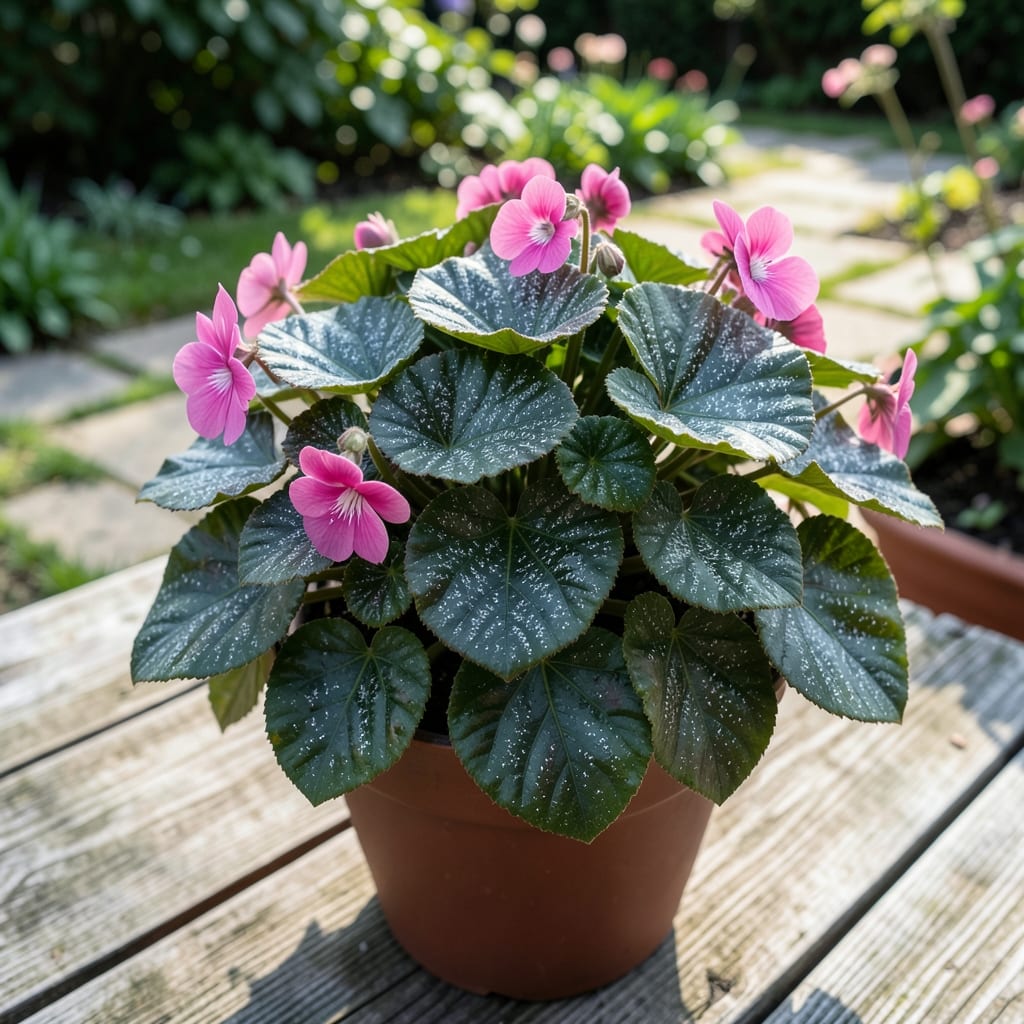
Begonia plants are perennial in warm climates where frost doesn’t occur, but they’re typically grown as annuals in colder regions where they die back in winter.
What many gardeners notice is how these plants thrive in USDA zones 9-11, where they can regrow each year from the same root system. 🌟 In cooler areas, you can actually dig up the tubers before the first frost and store them indoors during winter months. This simple trick lets you replant them the following spring for that same lush growth you’d see in warmer climates.
💡 In This Article
The key to begonia perennality lies in temperature thresholds. These plants thrive as true perennials in USDA zones 9-11, where winter temperatures rarely drop below 25°F. Their tuberous roots store energy during dormancy, allowing new shoots to emerge each spring when soil warms above 50°F. This natural cycle mimics their native tropical habitats. 🌟
In zone 8 and below, begonias can’t survive freezing temperatures. Even a light frost at 32°F will damage foliage and kill tender tubers. The plant’s water-filled cells burst when frozen, making recovery impossible. This is why gardeners in these areas treat them as annuals, replacing plants each season.
What’s fascinating is how begonias respond to daylight changes. As days shorten in autumn, tuberous varieties naturally enter dormancy, with foliage yellowing and dying back. This isn’t death but a survival strategy—energy retreats to the tubers.
In warm climates, this dormancy is brief, but in cooler areas, it’s a sign to dig up tubers for winter storage. ✨
Soil temperature plays a crucial role too. Begonias need soil above 60°F to break dormancy and start active growth. In zone 9, this typically happens in early March, while zone 10 plants may start growing in late February. This explains why the same plant behaves differently across regions.
Microclimates can create exceptions to these rules. A south-facing wall in zone 8 might stay warm enough for begonias to survive winter, especially with mulch protection. Similarly, container-grown begonias can be moved to sheltered locations when cold snaps are forecasted, extending their growing season. 💫
Only in warm climates without frost, like USDA zones 9-11. In cooler areas, they’ll die back in winter unless you dig up and store the tubers indoors.
Check the tubers—if they’re firm, they’re likely dormant. Yellowing foliage doesn’t mean death; it’s a natural response to shorter days and cooler temps.
Yes! Move containers inside before temps drop below 50°F. Place in bright light, water sparingly, and they’ll thrive as houseplants until spring.
Storing tubers in plastic bags traps moisture and causes rot. Use paper bags or boxes with peat moss, and store in a cool, dark place at 45-50°F.