
Beautiful Plants For Your Interior
Beautiful Plants For Your Interior
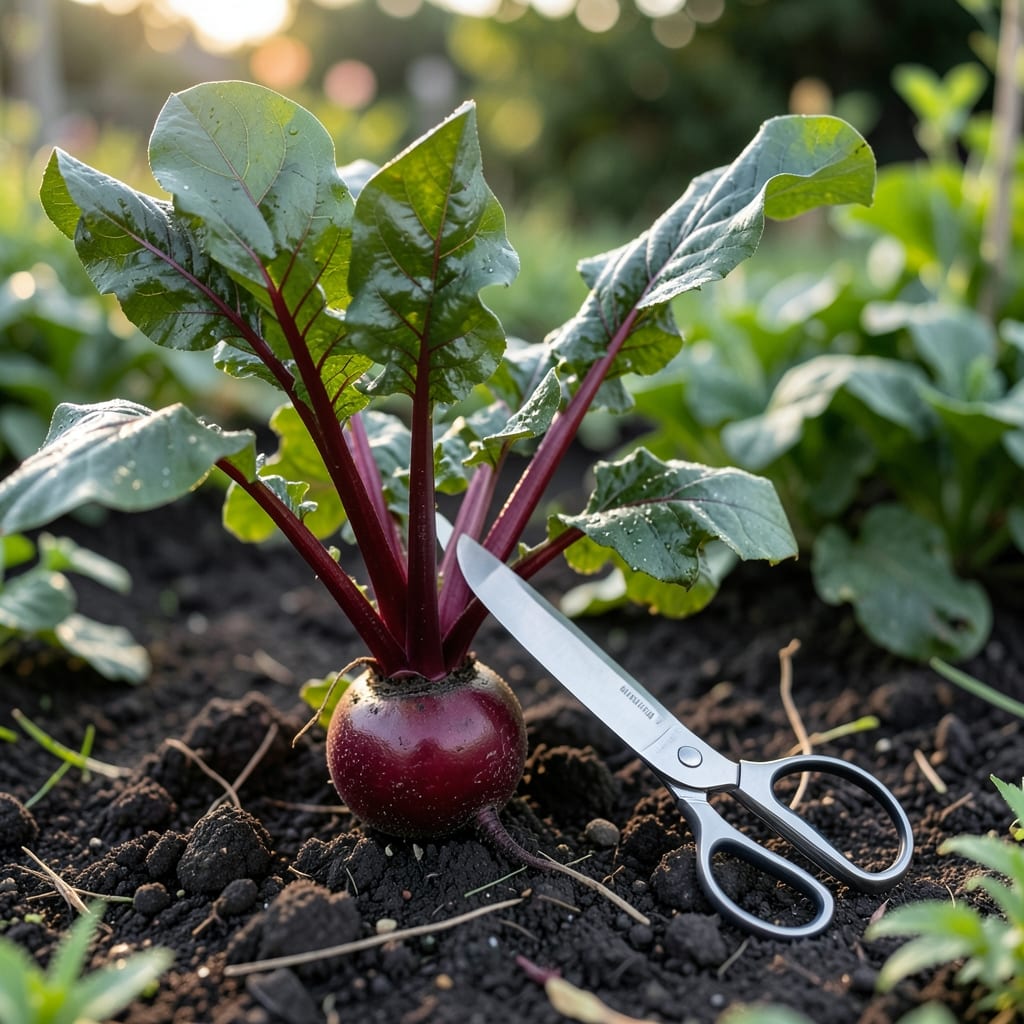
Yes, beet greens are completely edible and packed with nutrients like vitamins A, C, and K. They have a mild, slightly earthy flavor similar to Swiss chard or spinach.
I love using these leafy tops because they’re a zero-waste way to get more from your beets. Their tender texture works great in stir-fries or as a bed for roasted meats, and they’re especially rich in calcium and iron. Unlike some greens, they don’t turn bitter when cooked properly. ⚡
💡 In This Article
Beet greens pack a surprising nutritional punch compared to their root counterparts. A 1-cup serving of cooked beet greens delivers 220% of your daily vitamin A needs, supporting eye health and immune function. They also provide 17% of daily calcium and 15% of iron, making them a plant-based powerhouse for bone strength and oxygen transport.
🔥
The antioxidant profile is equally impressive. These greens contain high levels of lutein and zeaxanthin, compounds that protect against age-related macular degeneration. Their 1,100 mcg of vitamin K per cup aids blood clotting and bone metabolism—nearly double what you’d find in the same amount of spinach.
This vitamin K content is particularly valuable for maintaining healthy blood vessel function.
What sets beet greens apart from other leafy vegetables is their unique combination of nutrients. Unlike kale, which has similar vitamin content but a tougher texture, beet greens offer 240 mg of potassium per cup while remaining tender when cooked. This mineral helps regulate blood pressure by counteracting sodium’s effects in the body. ✨
The fiber content (3.7 grams per cup) supports digestive health while the nitrates in beet greens may help lower blood pressure. Unlike beetroots which are often consumed for their sugar content, the greens provide all these benefits with just 39 calories per cooked cup.
Their mild flavor makes them an easy addition to boost the nutritional profile of any meal.
Compared to Swiss chard, beet greens have a slightly sweeter taste and more delicate texture, making them more versatile in raw applications like salads. The oxalate content is lower than in spinach, reducing concerns about kidney stone formation for most people.
This combination of accessibility, nutrition, and culinary flexibility makes them a standout among leafy greens. 💫
Not exactly. They have a mild, earthy flavor similar to Swiss chard or spinach, with just a hint of the beetroot’s sweetness. The younger leaves are more tender and less bitter than mature ones.
Yes! Young, tender beet greens can be eaten raw in salads. For the best texture, choose small leaves and thinly slice the stems. They’re less tough than kale but slightly heartier than spinach.
Blanching in boiling water for 30-60 seconds before cooking helps reduce bitterness. Pairing them with acidic ingredients like lemon or vinegar also balances any strong flavors.
Beet greens are generally safe, but their high vitamin K content may interact with blood thinners. Those on such medications should consult a doctor before consuming large amounts.
The stems are edible and packed with nutrients. Cook them first since they take longer to soften—about 2-3 minutes before adding the leaves.