
Beautiful Plants For Your Interior
Beautiful Plants For Your Interior
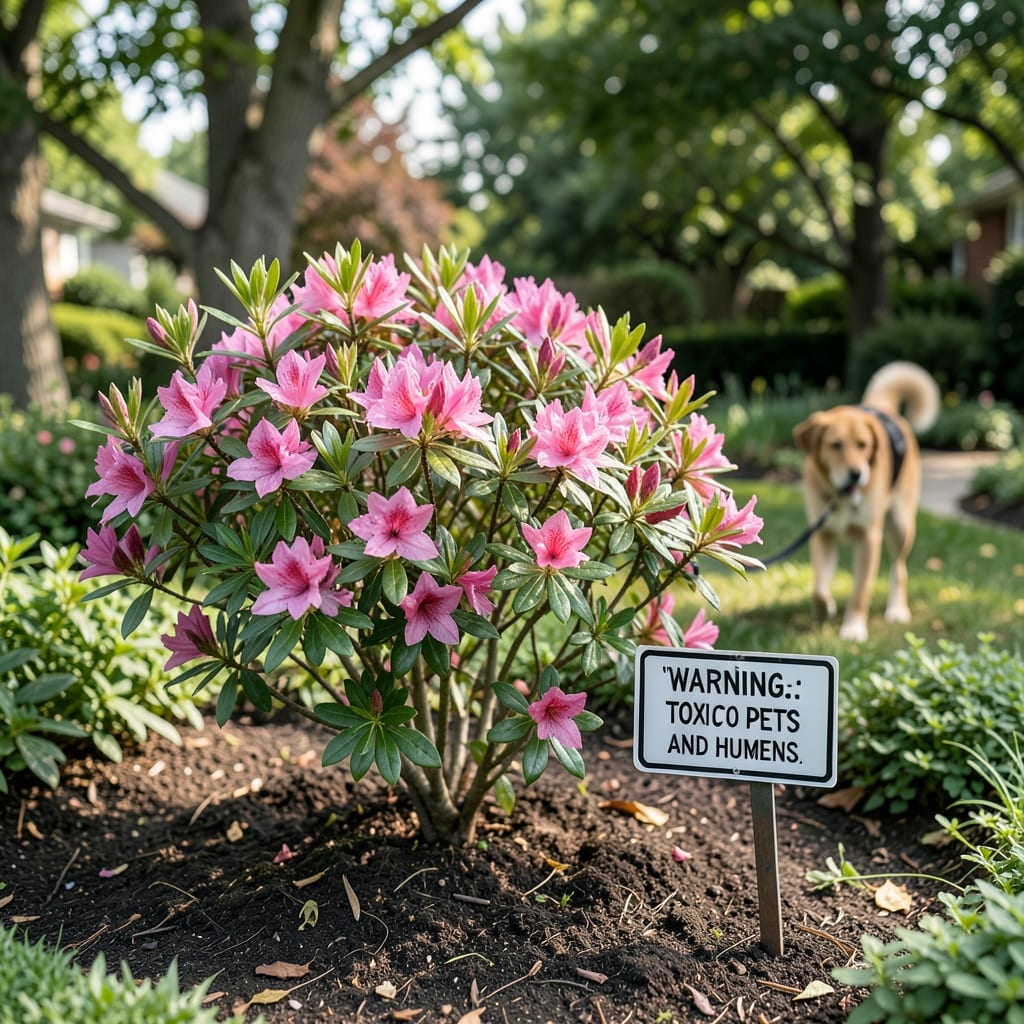
Yes, azaleas are highly toxic to dogs. All parts of the plant contain grayanotoxins, which can cause vomiting, diarrhea, drooling, weakness, and even cardiac failure if ingested.
I always warn pet owners about azaleas because these common garden shrubs can be deadly for canines. Even a few leaves can trigger severe symptoms within hours, as the toxins disrupt normal heart function. 🔥
What makes this especially dangerous is that dogs often find the plant’s bitter taste appealing at first, leading to accidental ingestion during outdoor play.
💡 In This Article
Azaleas contain grayanotoxins, a group of neurotoxic and cardiotoxic compounds that interfere with sodium channels in cell membranes. This disruption causes uncontrolled sodium influx, leading to abnormal heart rhythms and nerve signal misfires throughout a dog’s body. The result is a cascade of symptoms that can escalate rapidly. 🔥
These toxins are present in every part of the plant—leaves, flowers, stems, and even pollen—with concentrations varying by species. For example, Rhododendron (a close relative) contains similar compounds, but azaleas often have higher toxin levels per gram. Just 0.2% of a dog’s body weight in plant material can trigger poisoning.
A 10-pound dog eating 2-3 leaves may show symptoms. ⚡
The cardiovascular impact is particularly dangerous. Grayanotoxins cause bradycardia (slow heart rate) or arrhythmias, reducing blood flow to vital organs. Simultaneously, the nervous system overreacts, leading to excessive drooling, vomiting, and muscle weakness. Without treatment, this can progress to collapse or fatal cardiac arrest. 💫
What makes azaleas especially risky is their accessibility. Many dogs explore gardens with their mouths, and the plant’s bitter taste doesn’t always deter them. Even dried leaves or clippings in compost can remain toxic for months. This persistence means pet owners must be vigilant year-round, not just during blooming season. ✨
Veterinary studies show that dogs metabolize these toxins slowly, so symptoms may appear 6-12 hours after ingestion. Early signs include gagging, loss of appetite, and lethargy. As the toxins spread, more severe effects like seizures or coma can occur, making immediate action critical. 🌟
All parts are toxic, including leaves, flowers, stems, and even pollen. The toxins, called grayanotoxins, are present throughout the plant, so even small amounts can be harmful.
Symptoms typically appear within 6-12 hours but can start as soon as 1-2 hours after ingestion. Early signs include drooling, vomiting, and lethargy.
Yes, even 2-3 leaves can cause poisoning in a 10-pound dog. The toxins are potent, so never assume a tiny amount is safe.
Rinse their mouth with water immediately and call your vet or the ASPCA Poison Control at (888) 426-4435. Don’t wait for symptoms to appear.
Yes, the toxins remain active in dried leaves or clippings for months. Always dispose of trimmings in a sealed container out of reach.