
Beautiful Plants For Your Interior
Beautiful Plants For Your Interior
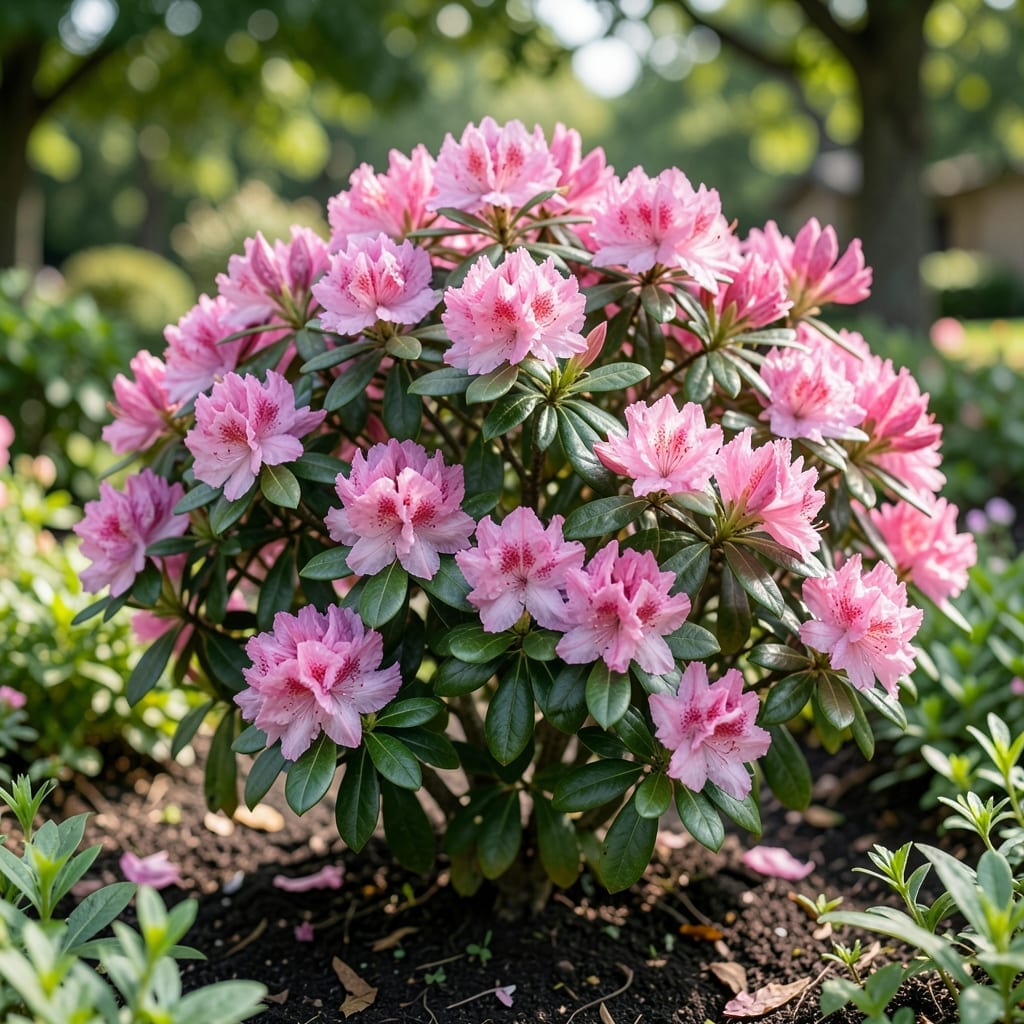
Most azaleas tolerate cold down to 10-20°F, but hardiness varies by variety. Evergreen types handle brief freezes, while deciduous varieties often survive harsher winters with proper protection.
I’ve found that USDA zones 6-9 are ideal for most azalea varieties, with some like the Northern Lights series thriving in zone 4. The key difference lies in their foliage—evergreens are more vulnerable to winter burn, while deciduous types shed leaves to conserve energy. Proper mulching and windbreaks can make a huge difference in their survival. ✨
In my experience, late fall watering helps roots establish before the ground freezes, giving them a fighting chance against harsh conditions.
💡 In This Article
The secret lies in their genetic adaptations to climate. Northern Lights azaleas, bred at the University of Minnesota, survive down to -30°F in zone 4 due to their deciduous nature—they shed leaves to reduce moisture loss. This dormancy conserves energy, unlike evergreens that must maintain foliage year-round. ✨
Evergreen varieties like Southern Indicas thrive in zones 7-9, tolerating brief dips to 10°F but suffering leaf damage below that. Their waxy leaf cuticles help, but winter winds and sun can cause desiccation. In contrast, deciduous types like Exbury hybrids handle zone 5 winters by entering full dormancy. 🔥
Root hardiness often exceeds foliage tolerance. While tops may die back, established azalea roots can survive to -10°F if properly mulched. This explains why plants often regrow from the base after harsh winters. The key is consistent soil moisture before freeze-up.
Microclimates matter enormously. A south-facing wall can create a zone 5 pocket in an otherwise zone 4 garden. I’ve seen PJM rhododendrons (close azalea relatives) thrive in zone 4b where they’re shielded from winter winds by buildings or fences. ⚡
Leaf retention also affects survival. Semi-evergreen types like Gitjal hybrids keep some foliage in mild winters but drop leaves in extreme cold. This flexibility allows them to adapt to temperature swings better than strictly evergreen or deciduous varieties.
For best results, match varieties to your zone: Northern Lights for zone 4, Girard’s for zone 5, and Southern Indicas for zones 7-9. Always check the specific cultivar’s hardiness rating, as some can vary by 10°F within the same series. 💫
Northern Lights hybrids lead the pack, surviving down to -30°F in zone 4. Exbury and Girard’s deciduous types also excel in zone 5. For zone 6, try PJM or GLORY series.
They retain foliage year-round, making them vulnerable to winter burn from cold winds and sun. Their waxy leaves lose moisture faster than deciduous types, which shed leaves to conserve energy.
Apply 2-4 inch mulch after the first light frost but before hard freezes. Set up windbreaks in late fall. Begin anti-desiccant sprays after 2-3 hard frosts, typically in November.
Only in zones 7-9 with protection. In colder areas, move containers to a sheltered spot like an unheated garage. Group pots together and wrap with burlap for extra insulation.