
Beautiful Plants For Your Interior
Beautiful Plants For Your Interior
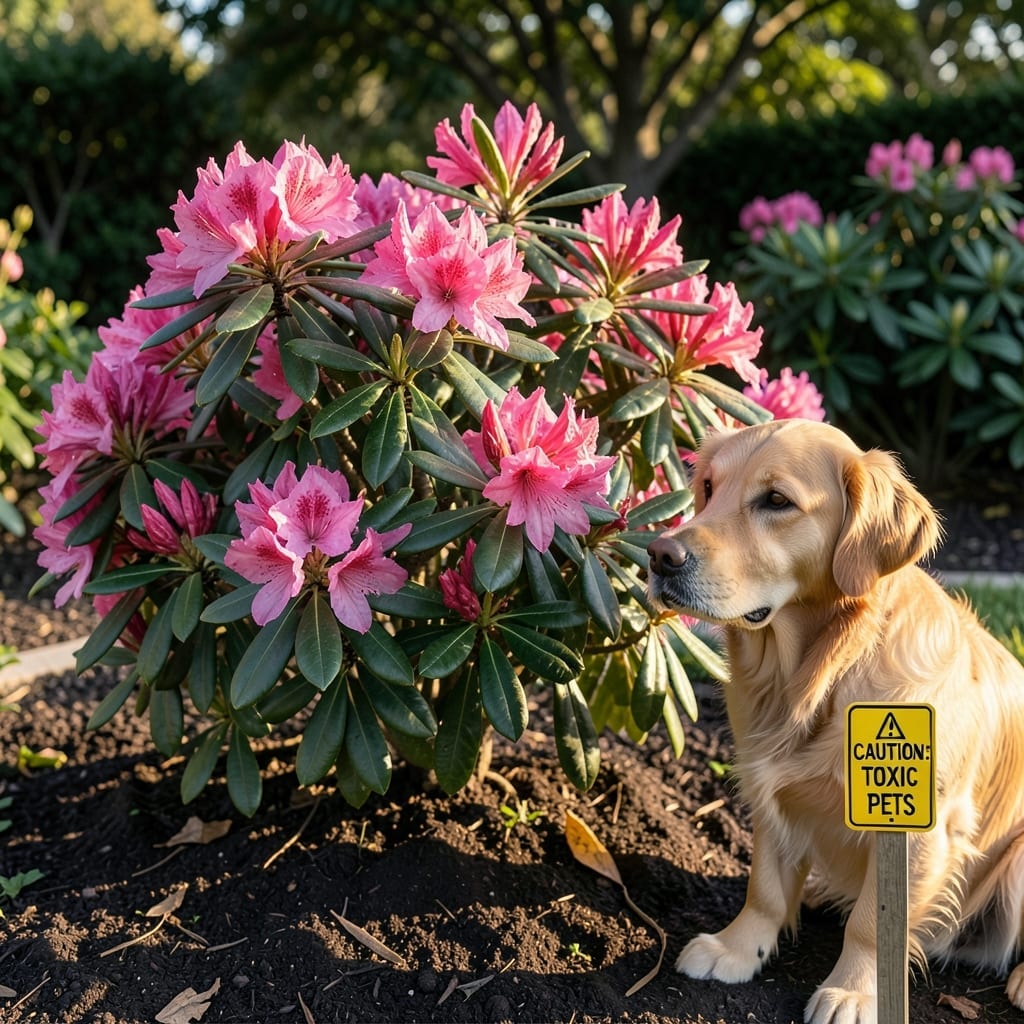
Yes, azalea flowers are highly toxic to dogs. All parts of the plant contain grayanotoxins, which can cause vomiting, diarrhea, drooling, and even heart failure if ingested.
I’ve seen firsthand how quickly these toxins can disrupt a dog’s system, especially their heart rhythm and blood pressure. Grayanotoxins interfere with normal cell function, which is why even small amounts can lead to severe reactions. If your dog shows weakness, irregular heartbeat, or collapse, seek emergency care immediately. 🔥
💡 In This Article
The toxicity stems from grayanotoxins, natural compounds found in every part of the azalea plant, including leaves, stems, and flowers. These toxins disrupt sodium channels in cell membranes, particularly affecting the heart and nervous system. Even 0.2% of a dog’s body weight in plant material can trigger severe reactions. 🔥
When ingested, grayanotoxins cause uncontrolled sodium influx into cells, leading to abnormal heart rhythms called arrhythmias. This can progress to dangerously low blood pressure, weakness, and collapse. The cardiovascular effects appear within 6-12 hours, though gastrointestinal symptoms like vomiting may occur sooner. ⚡
Dogs are especially vulnerable because their smaller size means even tiny amounts of plant material can deliver a toxic dose. A 10-pound dog eating just 1-2 leaves might experience mild symptoms, while consuming several flowers could be fatal. The toxins remain active even in dried or wilted plants. ✨
What makes azaleas particularly dangerous is that all varieties—including popular garden types like Rhododendron species—contain these compounds. There’s no safe part of the plant, and toxicity doesn’t diminish with cooking or drying. Even compost containing azalea clippings can pose a risk if ingested. 💫
Veterinary reports show that without prompt treatment, the mortality rate from azalea poisoning can reach 50% in severe cases. The heart’s electrical system becomes so disrupted that normal rhythm cannot be restored without medical intervention. This is why immediate action is critical. ⚡
Early signs like drooling or vomiting can show within 30 minutes. More severe symptoms, such as irregular heartbeat or collapse, may take 2-6 hours to appear.
Yes, all azalea and rhododendron species contain grayanotoxins. No part of the plant is safe, even if wilted or dried.
Rinse their mouth with water immediately and call your vet or the ASPCA Poison Control at (888) 426-4435. Don’t wait for symptoms.
No. This is a medical emergency requiring professional care. Home remedies may worsen the condition. Always seek veterinary help.
Fence off garden areas or replace azaleas with dog-safe plants like marigolds. Supervise your dog outdoors to avoid accidental ingestion.