
Beautiful Plants For Your Interior
Beautiful Plants For Your Interior
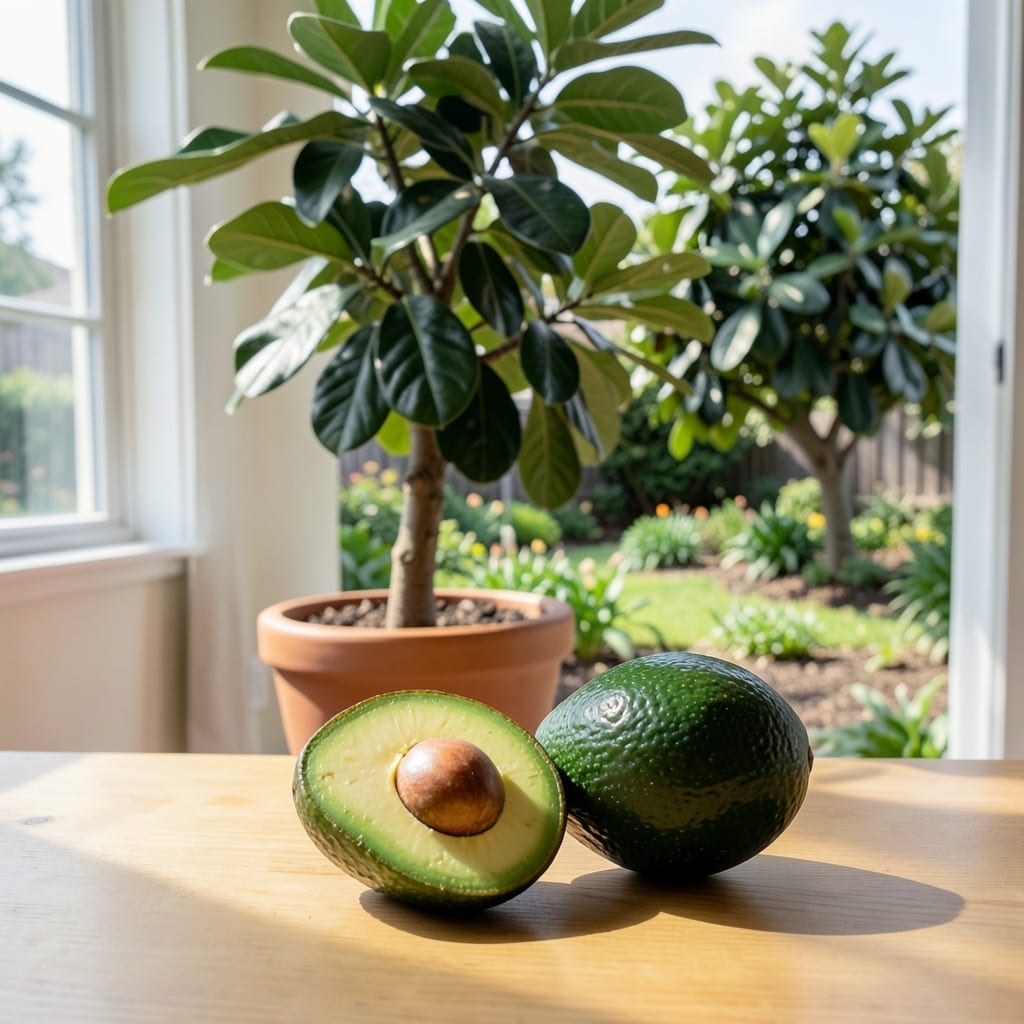
Avocado seeds contain persin, a fungicidal toxin that can be harmful in large quantities, causing mild to severe symptoms in some animals and potentially humans. The pit is also a choking hazard.
I always caution against eating the seed, as its natural compounds can trigger gastrointestinal distress or worse in sensitive individuals. Dogs and cats are particularly vulnerable to persin toxicity, so keeping pits out of reach is critical. Even for humans, the hard texture makes it a serious choking risk, especially for small children. 🔥
Most cases of accidental ingestion pass without issue, but it’s not worth the gamble when safer alternatives exist.
💡 In This Article
Avocado seeds contain persin, a naturally occurring fungicidal compound concentrated in the pit, leaves, and skin. This substance disrupts cellular respiration in fungi and some mammals, particularly affecting the heart and respiratory systems. In animals like cattle, goats, and birds, persin can cause severe cardiac distress or even death when consumed in large amounts. 🔥
For humans, the concentration of persin in a single avocado seed is generally too low to be lethal, but it can still trigger uncomfortable symptoms. Studies suggest consuming multiple seeds (or the equivalent in extracted persin) may lead to nausea, vomiting, or diarrhea.
The pit’s hard texture also means it often passes undigested, but its size—typically 1-2 inches in diameter—poses a significant choking risk. ✨
The toxicity threshold varies by species and body weight. For example, a 50-pound dog could experience poisoning from as little as 1-2 seeds, while a human would need to consume far more to reach dangerous levels. However, sensitivity to persin varies widely, and some individuals may react to even trace amounts.
The compound is oil-soluble, meaning it’s more concentrated in the seed’s inner layers than the outer shell. 🌟
Beyond persin, avocado pits contain tannins and other anti-nutrients that can irritate the digestive tract. These compounds evolved as a natural defense mechanism to deter animals from eating the seed, ensuring the avocado tree’s propagation. While the flesh of the fruit is safe and nutritious, the seed’s chemical makeup serves a very different biological purpose.
⚡
It’s also worth noting that persin degrades when exposed to heat or oxygen, which is why avocado oil (made from the flesh) is safe to consume. However, the seed’s density and composition make it resistant to breakdown in the digestive system, allowing the toxin to remain intact until it’s either expelled or absorbed. 💫
Contact your vet immediately. Dogs are highly sensitive to persin, and even 1-2 seeds can cause vomiting, diarrhea, or respiratory distress. The pit also poses a serious choking or obstruction risk.
Yes, but clean and dry the seed thoroughly first. Plant it half-submerged in soil with the pointy end up. Expect slow growth—it may take 2-6 weeks to sprout. Keep it away from pets during this process.
Wrap it in a paper towel and place it in a sealed trash bin. If composting, bury it at least 12 inches deep to prevent wildlife from digging it up. Never leave pits in open trash cans.
No. While some claim health benefits, the persin concentration remains a concern. The FDA does not approve avocado seeds for consumption due to potential toxicity. Stick to the flesh for safe, proven nutrition.