
Beautiful Plants For Your Interior
Beautiful Plants For Your Interior
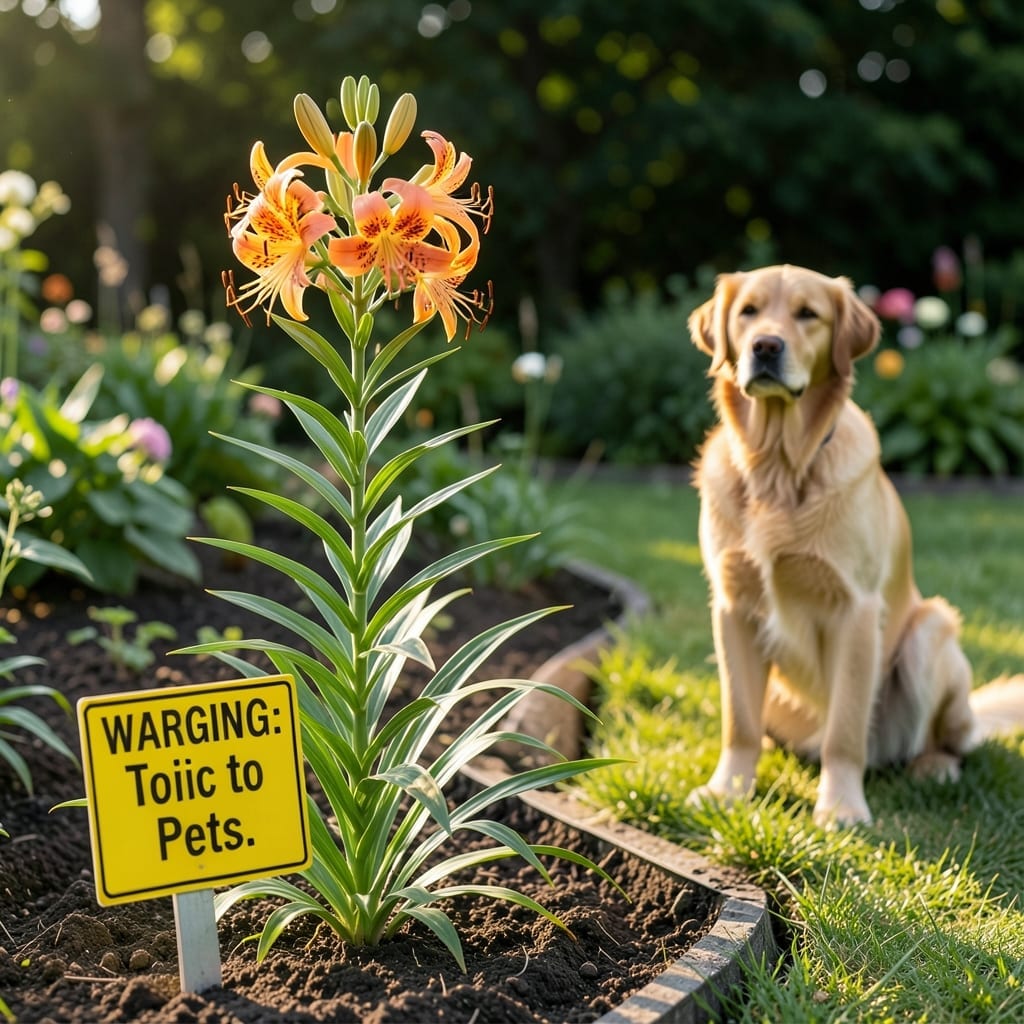
Yes, Asiatic lilies are highly toxic to dogs. All parts of the plant, especially the bulbs, can cause severe kidney damage or failure if ingested. Immediate veterinary care is critical.
I’ve seen cases where even small amounts triggered life-threatening reactions because the toxins target a dog’s renal system directly. 🔥 What’s particularly alarming is how quickly symptoms like vomiting, lethargy, or loss of appetite can appear—sometimes within just a few hours. This makes rapid action non-negotiable if you suspect exposure.
💡 In This Article
Asiatic lilies contain water-soluble compounds that directly attack canine kidneys. These toxins trigger renal tubular necrosis, destroying the tiny filtering units responsible for processing waste. The damage happens because the compounds disrupt cellular energy production in kidney cells, leading to rapid cell death. This is why even small amounts can be deadly.
All parts of the plant—petals, leaves, stems, and especially bulbs—contain these nephrotoxic agents. The bulbs hold the highest concentration, packing roughly 3-5 times more toxins than aerial parts. After ingestion, symptoms typically appear within 6-12 hours, though some dogs show signs in as little as 2 hours.
The first warning signs often include vomiting, drooling, and loss of appetite.
What makes these toxins so dangerous is their specificity to canine kidneys. While cats experience similar poisoning with true lilies, dogs react uniquely to Asiatic varieties. The compounds bypass normal digestive barriers and enter the bloodstream intact, targeting kidney tissue with precision. This explains why dehydration and increased urination often follow initial symptoms.
Veterinary pathologists note that the damage progresses rapidly. Without treatment, affected dogs may develop acute kidney failure within 24-72 hours. Blood tests reveal elevated creatinine and BUN levels, confirming the kidney’s inability to filter waste. The mechanism is so aggressive because the toxins interfere with mitochondrial function in renal cells.
Interestingly, the exact chemical structure of these compounds remains unidentified. Researchers suspect they may be unique glycosides or alkaloids specific to the Lilium genus. This uncertainty makes prevention the only reliable protection, as no antidote exists. The most effective approach remains immediate removal of plant material and professional veterinary intervention. 🔥
Symptoms can develop within 2-6 hours, but sometimes take up to 12 hours. Early signs include vomiting, drooling, and loss of appetite.
The bulbs contain the highest toxin concentration, about 3-5 times more than petals or leaves. However, all parts are toxic and should be kept away from dogs.
Remove plant material from their mouth, rinse with water, then call your vet or ASPCA Poison Control at 888-426-4435 immediately. Do not induce vomiting.
Yes, even tiny quantities can trigger severe kidney damage. There’s no safe threshold, so treat any ingestion as a medical emergency.