
Beautiful Plants For Your Interior
Beautiful Plants For Your Interior
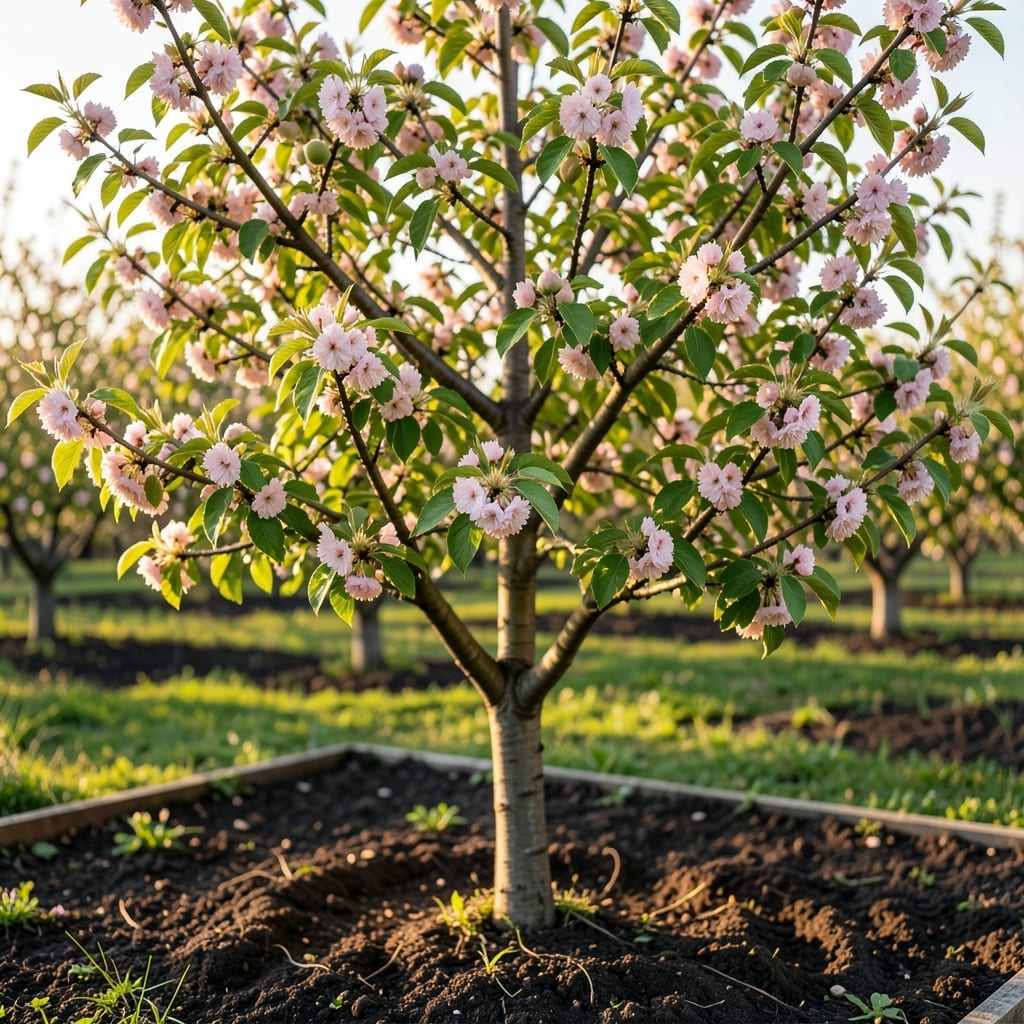
Apricot flowers are perfect, meaning each bloom contains both male and female reproductive parts. The stamen (male) produces pollen while the pistil (female) receives it. In self-fertile varieties, pollen can transfer within the same flower or between flowers on the same tree, eliminating the need for another tree.
This process happens naturally with gentle wind or visiting insects. 🔥
Even in self-pollinating apricots, external agents play a role. Bees and other pollinators can increase pollination efficiency by 50-80% compared to wind alone. The flowers’ bright pink-white color and sweet fragrance attract these helpers during the early spring bloom period. This natural assistance often leads to better fruit set and larger harvests. ✨
The biological mechanism involves pollen grains traveling down the style to fertilize ovules. Each fertilized ovule develops into a seed within the apricot fruit. Self-fertile varieties like Blenheim or Royal have evolved to maximize this internal process, though they still benefit from cross-pollination when possible. 🌟
Environmental conditions affect pollination success. Temperatures below 45°F can inhibit pollen tube growth, while rain during bloom can wash away pollen. Ideal conditions include 55-75°F with low humidity and gentle air movement. Growers in cooler climates often see better results with protected plantings or greenhouse cultivation. ⚡
Genetics determine a tree’s self-fertility. Some varieties produce sterile pollen or have incompatible stigma, requiring cross-pollination. Even self-fertile trees may show improved vigor when planted near compatible partners, as this increases genetic diversity in the pollen pool. This explains why commercial orchards often plant multiple varieties together. 💫
Most apricot varieties are self-fertile, so one tree produces fruit. However, planting two compatible varieties can increase yield through cross-pollination.
Blenheim and Moorpark are excellent self-pollinating choices. They thrive in USDA zones 5-9 and produce abundant fruit without needing another tree.
Temperatures below 45°F can inhibit pollen growth. Ideal pollination occurs between 55-75°F with low humidity and gentle air movement.
Attract pollinators by planting bee-friendly flowers nearby. A single well-pollinated tree can yield 50-100 pounds of fruit annually.