
Beautiful Plants For Your Interior
Beautiful Plants For Your Interior
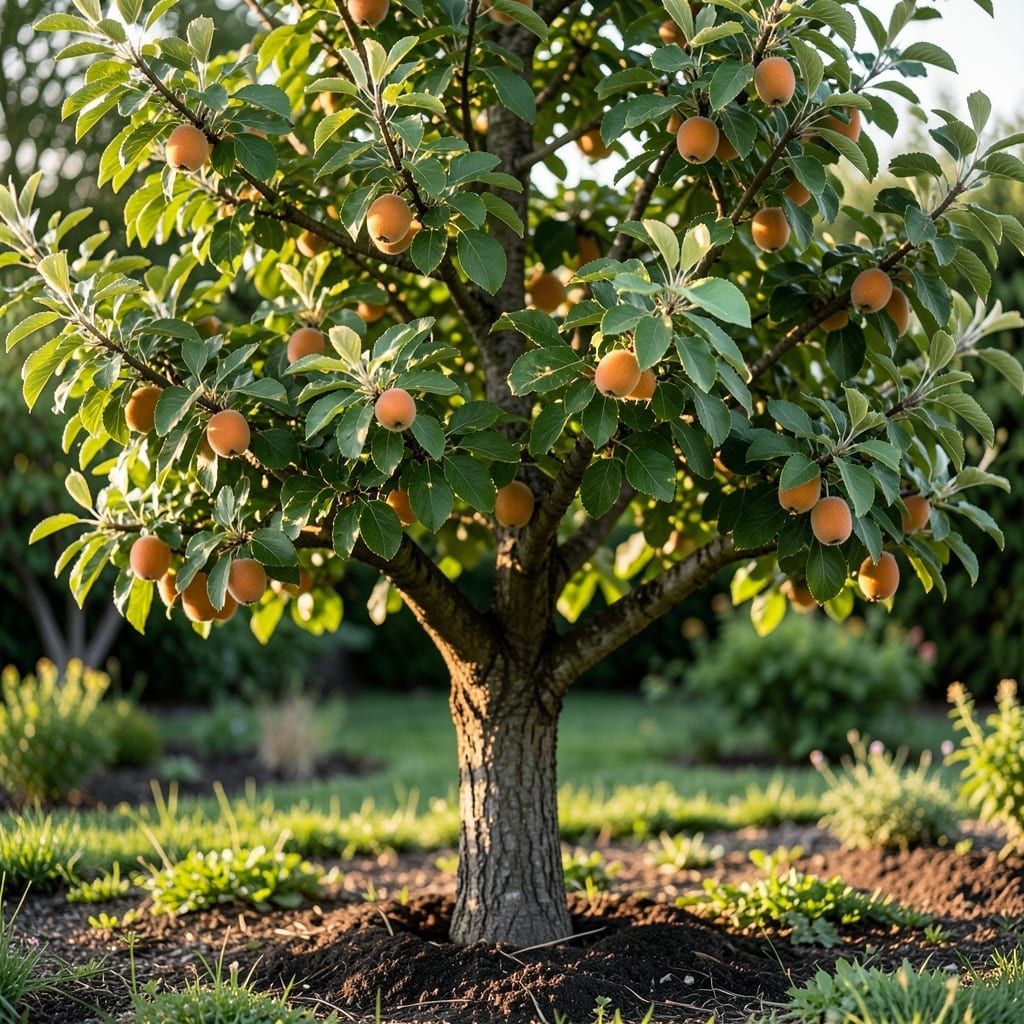
Apricots have smooth, velvety skin when ripe, though some varieties may have a slight fuzz similar to peaches but much finer and less noticeable.
I’ve noticed the texture can fool people at first glance. This fine fuzz is a botanical trait shared with other stone fruits, serving as a natural protection against pests. 💫 Most commercial apricots are bred for smoothness, but heirloom types sometimes retain that gentle down.
What’s fascinating is how the skin changes as they mature—unripe ones may feel slightly rougher, while perfectly ripe ones develop that signature silky touch.
💡 In This Article
The tiny hairs you might notice are called trichomes, microscopic plant structures that serve as a natural defense. These hairs help shield the fruit from insects and reduce water loss through evaporation.Apricot trichomes are typically 0.1-0.3mm long, far shorter than peach fuzz. 💫
Genetically, apricots belong to the Prunus genus alongside peaches, nectarines, and plums. While most commercial apricots are bred to minimize fuzz, some heirloom varieties like the Moorpark or Blenheim retain this ancestral trait. The fuzziness is controlled by a single dominant gene, similar to what determines peach skin texture.
These hairs develop during the early fruit growth stage, usually disappearing as the apricot matures. Climate plays a role too – cooler growing conditions often result in slightly more pronounced trichomes. The fuzz contains natural waxes that give apricots their characteristic bloom, that white powdery coating you sometimes see. ✨
From a botanical perspective, these hairs are part of the fruit’s epidermis, the outermost cell layer. They’re most visible when the fruit is young, then gradually wear away or flatten as the apricot ripens.
This is why you’ll rarely find fuzzy apricots in grocery stores – they’re typically harvested at peak ripeness when the skin is smoothest.
Interestingly, organic apricots may appear slightly fuzzier because they lack the commercial wax coatings applied to conventional fruit. The natural trichomes become more visible without that artificial sheen. This doesn’t affect taste or quality, just appearance. 🔥
This happens with heirloom varieties that retain tiny hairs called trichomes. These are most noticeable when young, then flatten as the fruit ripens.
Overripe ones feel mushy and may have wrinkled skin. The texture changes from velvety to soft and mealy.
No peeling needed! The skin is completely edible and contains fiber. Just wash thoroughly to remove any surface residue.
Commercial growers select smooth-skinned varieties and harvest at peak ripeness. The fuzz wears off naturally during maturation.