
Beautiful Plants For Your Interior
Beautiful Plants For Your Interior
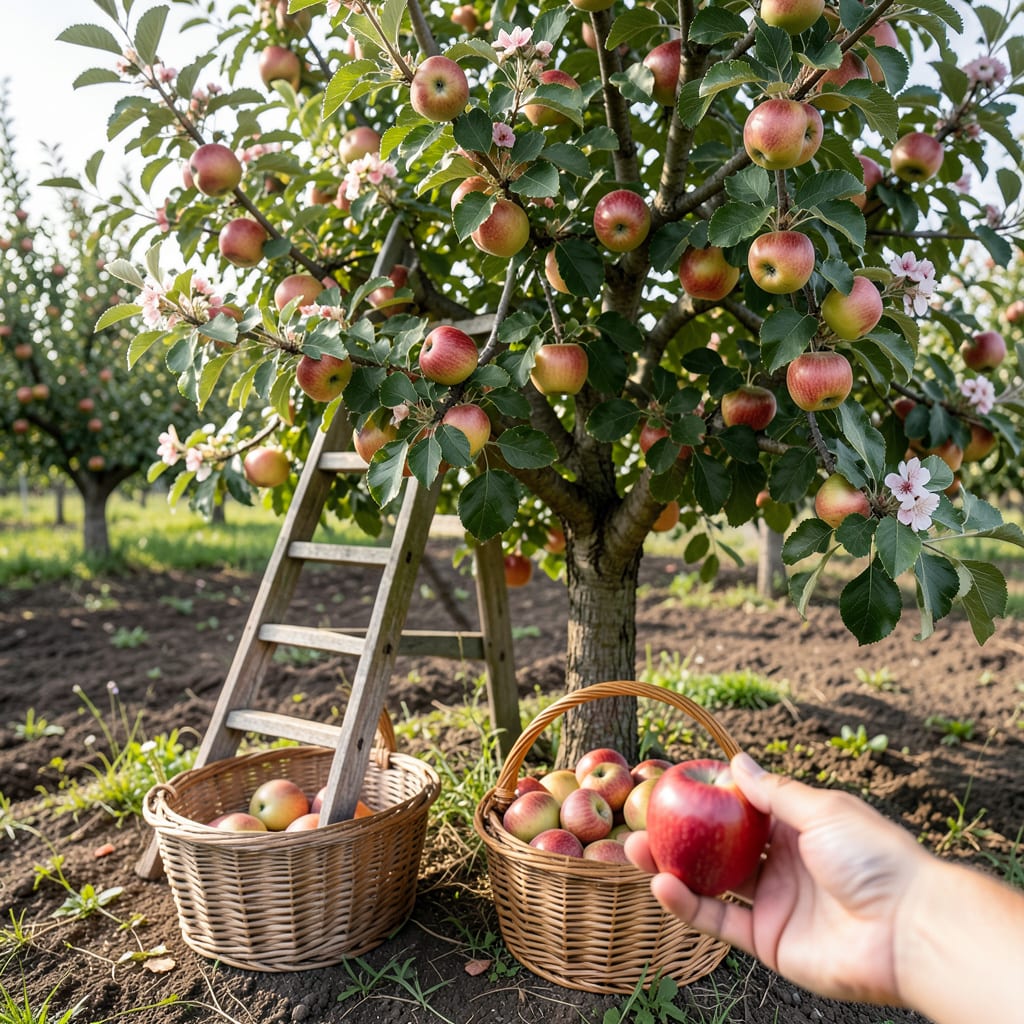
Nothing beats the taste of a freshly picked 🍎 Apple, but knowing the perfect moment to harvest can be tricky. Timing it wrong means missing out on that ideal sweetness and crunch.
From color changes to texture tests, I’ll show you the simple signs that tell you your Apples are ready. Let’s make sure your harvest is the best it can be this season.


Timing your apple harvest perfectly means watching for visual cues first. Most varieties change color as they ripen, shifting from green to red, yellow, or their signature hue. This is your first sign they’re getting close.
But color alone isn’t enough. I always check the flesh firmness too. A ripe apple gives slightly when pressed, but it shouldn’t feel soft or mushy. This balance is key to that perfect crisp bite.
| Variety | Ripeness Signs |
|---|---|
| Red Delicious | Deep red color, slight give |
| Granny Smith | Bright green, firm texture |
| Fuji | Red-yellow blush, sweet aroma |
| Gala | Orange-red stripes, easy stem twist |
Another foolproof test is the stem separation method. Lift the apple gently and twist. If it comes off the branch easily, it’s ready. This works because ripe apples naturally loosen from the tree.
Don’t forget to check the seeds inside. Immature apples have white seeds, while ripe ones turn brown or black. This is one of the most reliable signs I use in my garden.
The aroma test is often overlooked. Ripe apples release a sweet scent near the stem. If you don’t smell anything, they likely need more time on the tree.
For early varieties like Yellow Transparent, harvest starts in late summer. Mid-season apples, such as McIntosh, are usually ready by early fall. Late varieties like Braeburn may hang on the tree until late October.
If you’re unsure, pick a test apple from different parts of the tree. Taste it—if it’s sweet and crisp, the rest are probably ready too. This simple step saves me from harvesting a whole tree too early every time.
Remember, weather affects ripening. A warm, sunny season may speed things up, while a cool, wet summer could delay it. Always adjust your timing based on the year’s conditions.
Finally, watch for apple drop. When a few ripe fruits start falling naturally, it’s a clear sign the rest are ready. Just don’t wait too long, or you’ll end up with bruised or overripe apples on the ground.
With these tips, you’ll never wonder are apples ready to pick now again. Happy harvesting! 🌳
The harvest window for apples varies widely by region and variety. In cooler northern states like Michigan or Washington, early varieties may ripen by late August, while warmer areas see harvests starting in September.
I’ve found that mid-season apples like Honeycrisp typically peak in early October, but this can shift based on the year’s weather patterns. A late frost or heatwave can delay or speed up ripening by weeks.
In the Pacific Northwest, where apples thrive, growers often start harvesting Gala apples in early September. Meanwhile, in the Southeast, the season may begin and end earlier due to milder winters.
For dwarf apple trees, the timeline is often similar, but I recommend checking fruit maturity a week earlier than standard trees. Their compact size can lead to slightly faster ripening.
If you’re in USDA Zone 6, like much of the Midwest, expect most varieties to be ready between September 15 and October 30. This is when I do most of my picking in my own garden.
Always monitor local conditions. A dry summer might concentrate sugars faster, while excessive rain can dilute flavor and delay ripening. Adjust your timing accordingly. 🌳
Harvesting apples too early is a common mistake I see in many gardens. Picking them before full ripeness results in tart, hard fruit that lacks sweetness and juiciness. These underripe apples often have white seeds and resist easy stem separation.
On the other hand, waiting too long can lead to overripe apples that are mushy, mealy, or bruised. These fruits often drop from the tree naturally, but by then, their peak flavor and texture have already passed.
Too Early: Hard texture, sour taste, green seeds
Too Late: Mushy flesh, bruised skin, falling fruit
Solution: Test one apple first for sweetness and firmness
One of the best ways to avoid these mistakes is the sample test. Pick one apple from different parts of the tree and taste it. If it’s sweet, crisp, and flavorful, the rest are likely ready too. I always do this before committing to a full harvest.
Another sign of overripeness is when apples start falling from the tree in large numbers. While a few dropped fruits are normal, a sudden increase often means you’ve missed the optimal window. Act quickly to save the remaining crop.
Remember, weather impacts timing. A heatwave can accelerate ripening, while a cold snap might slow it down. Always adjust your harvest plans based on the season’s conditions and the specific needs of your apple variety.
By avoiding these common errors, you’ll ensure a perfect harvest every time. 🌳
Most varieties change from green to their signature color—deep red, yellow, or a mix. Granny Smith stays green but brightens. Always check variety-specific color guides for accuracy.
Gently lift and twist the apple. If it separates easily from the branch, it’s ripe. Also, press lightly—slight give indicates readiness without bruising.
No, apples on the outer branches often ripen first due to more sun exposure. Check different areas of the tree and test a few from each section.
They’ll be hard, tart, and lack sweetness. Early-picked fruit also has white seeds and won’t store well. Always taste-test one first.
