
Beautiful Plants For Your Interior
Beautiful Plants For Your Interior
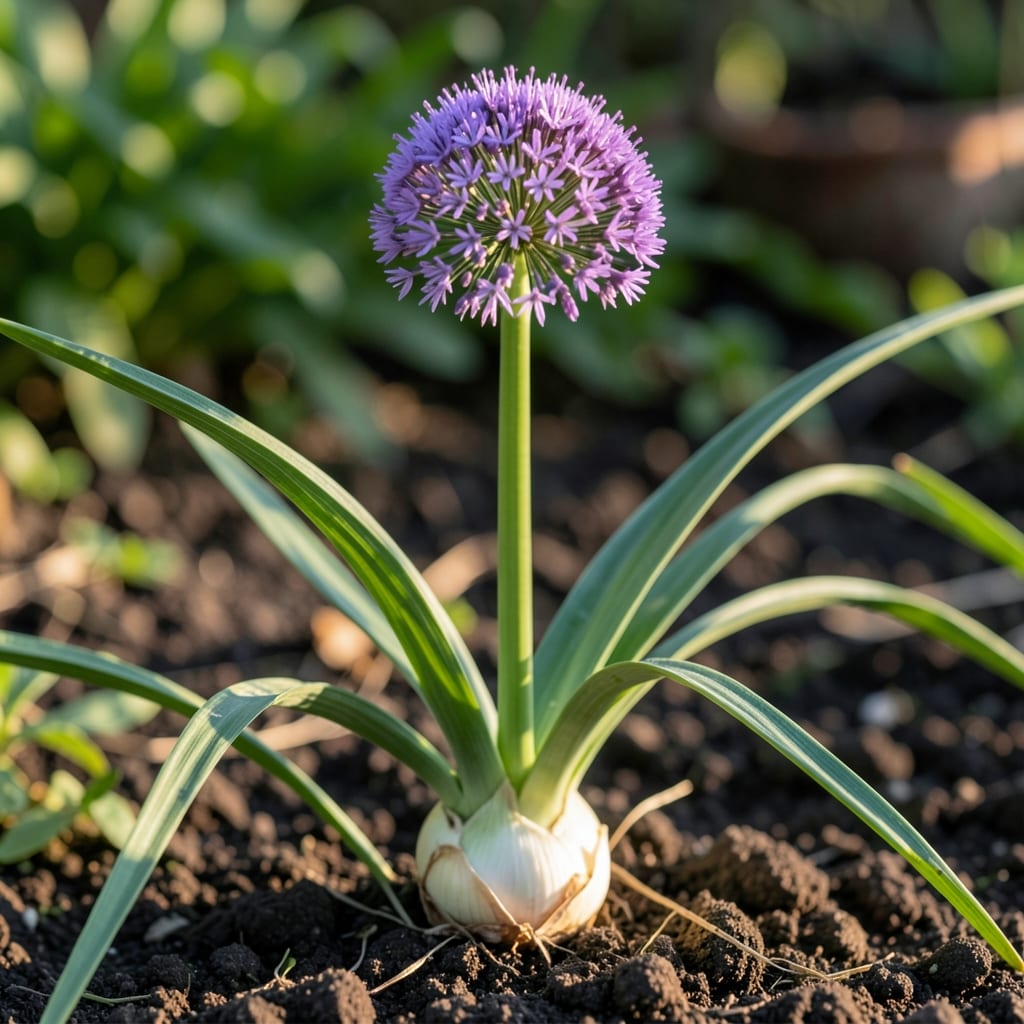
Most alliums are perennial, returning year after year with proper care. Some varieties like onions and garlic are grown as annuals, while ornamental types typically regrow from bulbs each season.
I’ve found that their bulb-based biology is the key to this longevity, storing energy underground during dormancy. 🔥 Many gardeners choose ornamental alliums for their reliable spring blooms, while edible types often need replanting annually for optimal harvest. The difference comes down to cultivation purpose and growing conditions.
💡 In This Article
Alliums store energy in underground bulbs, which act like natural batteries. These bulbs contain concentrated nutrients that fuel regrowth each spring, even after the above-ground foliage dies back in winter. The process is called dormancy, where the plant conserves resources during harsh conditions.
This biological adaptation is why species like Allium schubertii or purple sensation bloom reliably year after year. 🔥
Bulb formation begins when days shorten in late summer. The plant channels energy from foliage into the bulb, creating a reservoir of carbohydrates. Ornamental alliums typically complete this cycle in 6-8 weeks, while edible types like shallots may take 10-12 weeks. The bulb’s papery tunic protects it from moisture loss and pests during dormancy. ✨
Edible alliums like onions and garlic are often grown as annuals for culinary use. Farmers harvest them before bulb division occurs to maximize size and flavor. In contrast, ornamental varieties focus energy on flower production rather than edible bulb development. This difference in cultivation purpose explains the lifespan variation. ⚡
The key factor is the bulb’s ability to split and multiply underground. Mature allium bulbs produce offsets—small daughter bulbs that can grow into independent plants. This natural propagation ensures continuity, with some clumps expanding by 20-30% annually under ideal conditions. 💫
Soil temperature triggers the regrowth cycle. When spring soil reaches 50-55°F, the bulb senses it’s time to sprout. This thermal cue is remarkably consistent across species, though exact timing varies by climate. The bulb’s stored energy supports initial growth until the plant can photosynthesize again. 🌟
Most ornamental alliums like Purple Sensation are true perennials, returning for 3-5 years or more. However, edible types such as onions and garlic are typically grown as annuals for harvest. The key difference lies in their cultivation purpose and growing conditions.
Check the bulb type: true perennials form persistent bulbs that multiply underground. If your alliums produced offsets or flowered this year, they’ll likely return. Annual types usually need replanting. Look for healthy foliage die-back in summer, which feeds next year’s growth.
Plant in well-draining soil, provide full sun, and avoid overwatering during dormancy. Add 2-3 inches of mulch in fall to protect bulbs from freeze-thaw cycles. Divide clumps every 3-4 years to prevent overcrowding and maintain vigor.
Edible alliums like onions and leeks are often replanted yearly for consistent harvest quality. Growing them as annuals allows control over variety, size, and flavor. Ornamental alliums, however, thrive when left undisturbed to naturalize and multiply.