
Beautiful Plants For Your Interior
Beautiful Plants For Your Interior
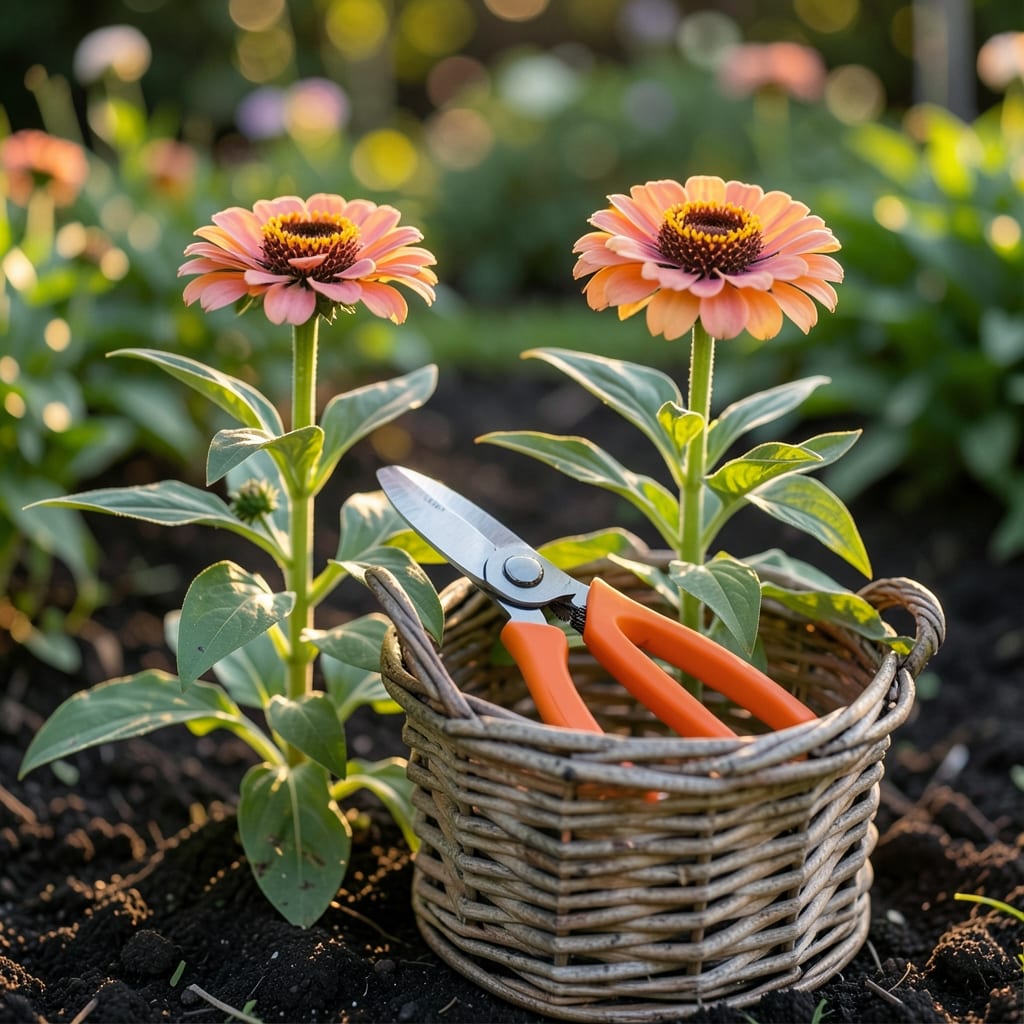
Not all zinnias are cut-and-come-again. Most modern varieties regrow after cutting, but some older or single-bloom types may not produce new flowers as reliably after harvesting.
I’ve noticed that newer hybrid zinnias are bred for repeated blooming, making them ideal for bouquets all season long. In contrast, heirloom or single-flower varieties often focus their energy on one flush of blooms. This difference comes down to genetics and how the plant allocates its resources after a stem is cut. 💫
💡 In This Article
The biological mechanism behind regrowth starts at the stem’s auxiliary buds. When you cut a zinnia, these dormant buds receive a signal to activate and produce new shoots. Modern hybrids like Benary’s Giant or Profusion series are selectively bred to maximize this response, often producing 3-5 new stems per cut within 7-14 days. 🌟
Heirloom varieties, however, often prioritize seed production over regrowth. Single-bloom types like California Giant may only produce 1-2 replacement stems because their genetic programming focuses on reproduction rather than continuous flowering. Double-flowered heirlooms are particularly slow to rebound, as their complex blooms require more energy.
Environmental factors amplify these genetic tendencies. Zinnias grown in full sun with consistent moisture will regenerate faster than those in partial shade or drought conditions. The ideal temperature range of 70-80°F accelerates bud development, while cooler nights below 50°F can delay the process by up to 50%. ⚡
What most gardeners overlook is the stem length’s impact. Cutting too low on the plant removes potential bud sites, while leaving 4-6 inches of stem ensures multiple growth points remain. This is why commercial flower farmers always count nodes before making their cuts, typically targeting stems with 5-7 leaf pairs for optimal regrowth.
The hormone balance also plays a role. When you remove the main flower, the plant’s auxin levels drop, allowing cytokines to stimulate lateral bud growth.
This is why pinching back young zinnia plants early in the season – even before they bloom – can double your eventual flower production by forcing the plant to branch outward rather than upward. 💫
Modern hybrids like Benary’s Giant typically produce 3-5 new stems within 7-14 days of cutting. Heirloom varieties may take longer, especially if growing conditions aren’t ideal.
Yes! Always leave 4-6 inches of stem with several leaf nodes when cutting. This ensures multiple growth points remain for new blooms to develop. Cutting too low can remove potential bud sites.
Older or single-bloom varieties often focus energy on seed production rather than continuous flowering. Double-flowered heirlooms are particularly slow to rebound as their complex blooms require more energy.
Pinch back young plants when they’re about 1 foot tall to promote bushier growth. Deadhead spent blooms regularly and fertilize every 3-4 weeks with balanced formula.