
Beautiful Plants For Your Interior
Beautiful Plants For Your Interior
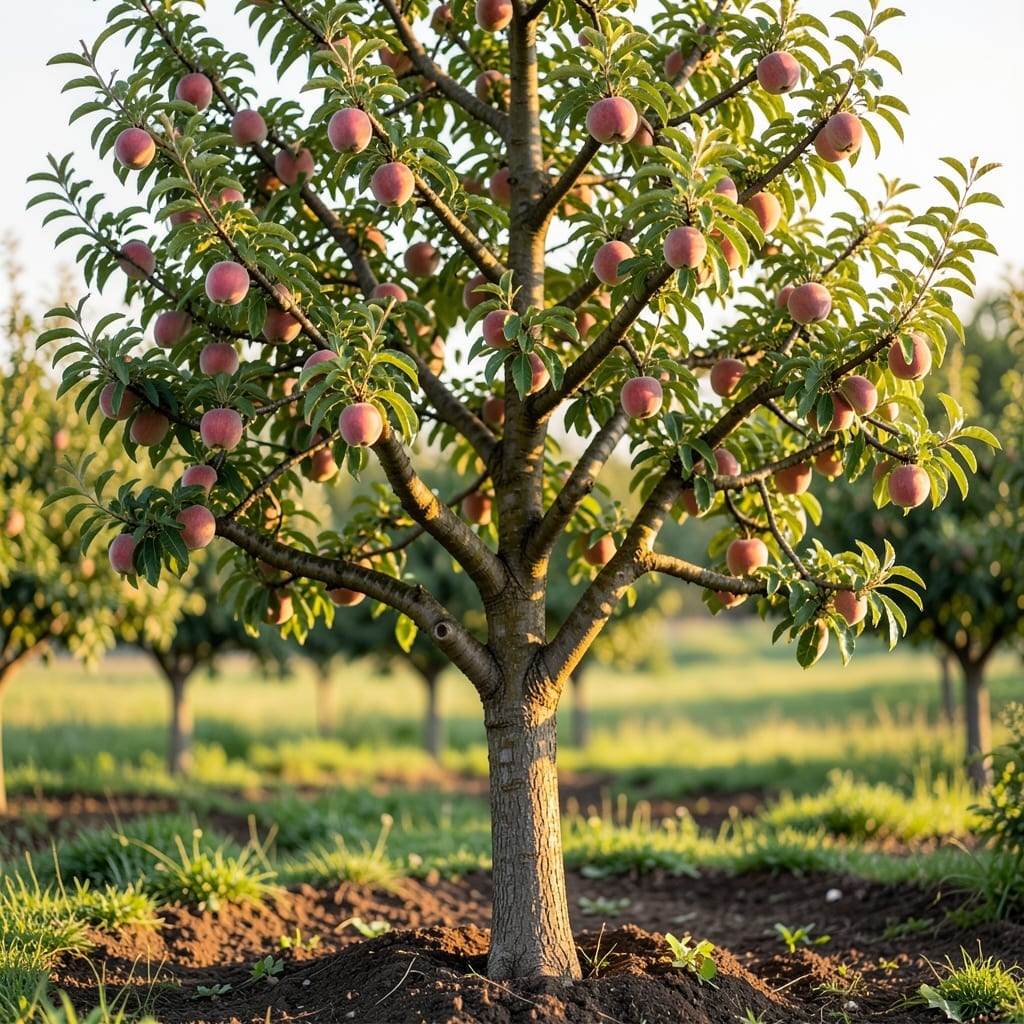
No, not all peaches are fuzzy. While most varieties have a fuzzy skin, there are smooth-skinned peaches called nectarines, which are genetically similar but lack the fuzz.
The smooth variety isn’t just a different fruit—it’s actually the same species with a single gene variation that prevents fuzz development. I’ve noticed this genetic quirk makes nectarines particularly popular for eating fresh since their skin is easier to bite into. What’s fascinating is that this mutation occurred naturally, and growers have selectively bred these trees for centuries to produce the smooth fruit we enjoy today. 🌟
💡 In This Article
The fuzz on peaches is actually tiny hairs called trichomes, which serve as a natural protective barrier against pests and environmental stressors. These develop from a gene that triggers hair growth on the fruit’s surface. Most peach varieties carry this active gene, resulting in the characteristic fuzzy texture we associate with classic peaches. ✨
Nectarines, however, lack this fuzz due to a single recessive gene mutation that suppresses trichome development. This isn’t a different species—it’s the same Prunus persica tree, just with a genetic variation. The mutation likely occurred naturally thousands of years ago in China, where peaches originated.
Growers then cultivated these smooth mutants separately, creating what we now call nectarines.
Interestingly, the fuzz itself has practical benefits beyond protection. It helps reduce water loss from the fruit’s surface and can even reflect excess sunlight, preventing sunscald. This is why fuzzy peaches often thrive in hotter, drier climates where these protections are most valuable.
The trade-off is that the fuzz can trap dust and pesticides, making thorough washing important. 🔥
From a botanical perspective, nectarines and peaches are so similar that they can even grow on the same tree. This happens when a peach tree with one dominant fuzzy gene and one recessive smooth gene produces both types of fruit.
You might occasionally find a peach tree with a few smooth fruits mixed among the fuzzy ones—a living demonstration of Mendelian genetics in action.
The skin texture also affects how we consume them. Smooth nectarines are often preferred for fresh eating because their skin is easier to bite through. Meanwhile, fuzzy peaches hold up better in cooking applications where their texture helps them maintain shape during baking or grilling.
This subtle difference in skin has led to distinct culinary uses for each variety. ⚡
Nectarines are smooth because they lack the fuzzy trichomes that peaches have. This difference comes from a single recessive gene that suppresses hair growth on the fruit’s skin.
Yes! If a tree carries one dominant fuzzy gene and one recessive smooth gene, it can produce both types. This is a natural demonstration of genetic variation in action.
The fuzz itself doesn’t change flavor, but smooth peaches are often sweeter because they’re typically left to ripen longer on the tree. Fuzzy peaches are better for cooking as their texture holds up.
Fuzz density varies by variety and growing conditions. Hotter, drier climates often produce peaches with thicker fuzz as natural protection against environmental stress.