
Beautiful Plants For Your Interior
Beautiful Plants For Your Interior
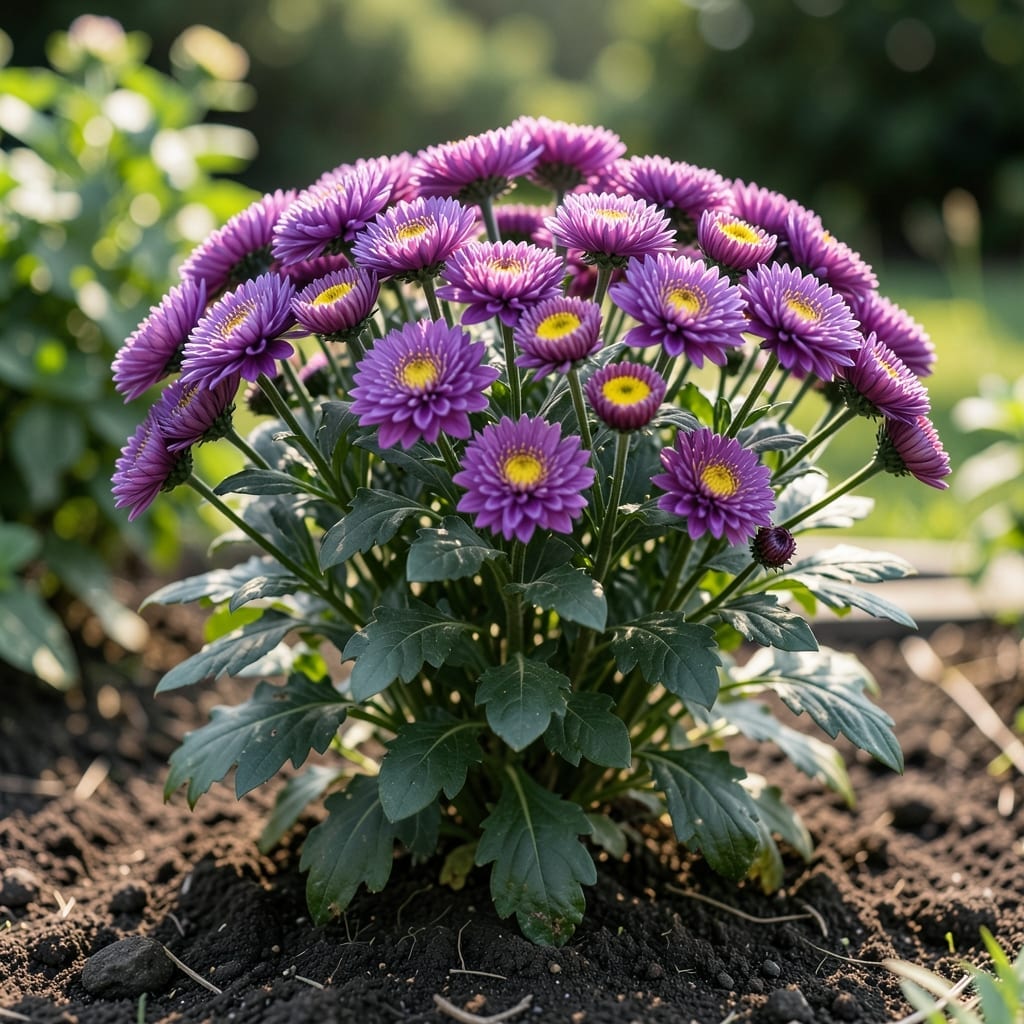
Not all mums are annuals. Garden mums are often perennials in warmer climates, while florist mums are typically grown as annuals due to their sensitivity to cold.
What many gardeners don’t realize is that the lifespan of chrysanthemums depends heavily on their variety and local hardiness zone. 🌟 Garden mums, planted early in spring, can establish strong root systems that survive winter in zones 5-9. Florist mums, however, are bred for showy blooms and often lack the cold tolerance to return next year without special care.
💡 In This Article
The lifespan of mums hinges on their genetic makeup and your climate. Garden mums, scientifically Chrysanthemum × morifolium, are hardy perennials in USDA zones 5-9 when planted in spring. This gives them time to establish deep root systems before winter.
Their survival depends on consistent moisture and well-draining soil to prevent root rot during cold months.
Florist mums, however, are typically bred for the cut flower industry. These varieties are selected for vibrant, uniform blooms rather than cold hardiness. They often lack the genetic resilience to survive freezing temperatures, making them behave as annuals in most gardens. Their shallow root systems, developed in containers, struggle to endure winter conditions.
Hardiness isn’t the only factor. Day length sensitivity plays a role too. Mums are short-day plants, meaning they bloom when days get shorter in fall. Garden mums adapt to natural light cycles, while florist mums may have been chemically treated to bloom out of season, further reducing their ability to return yearly. 🌟
Even in ideal zones, improper care can turn a perennial mum into an annual. Planting too late in fall, poor drainage, or lack of winter mulch can spell doom. I’ve seen garden centers sell potted mums in late October—these rarely survive winter as they haven’t established enough roots.
For the best chance at perennial mums, choose early-blooming varieties like ‘Mammoth’ or ‘Sheffield’. These are bred for garden performance. Florist mums like ‘Fuji’ or ‘Anastasia’ are better treated as temporary color for fall displays. ⚡
The key difference lies in their breeding and your approach. Garden mums are tough survivors, while florist mums are the divas of the plant world—beautiful but high-maintenance and short-lived without perfect conditions.
Garden mums have woody stems and smaller, daisy-like blooms. Florist mums feature larger, showier flowers on softer stems. Check the label—garden types are sold as perennials in spring, while florist mums appear as potted gifts in fall.
Garden mums thrive as perennials in USDA zones 5-9 when planted in spring. In colder zones, even hardy varieties may need winter protection like 2-3 inches of mulch. Florist mums rarely survive winter anywhere.
You can, but fall-planted mums often don’t establish roots in time for winter. For best results, plant garden mums in spring. If you must plant in fall, choose early-blooming varieties and add extra mulch.
Late planting, poor drainage, or lack of mulch are common culprits. Florist mums also lack cold hardiness. Ensure your mums are garden varieties, planted in spring, and protected with mulch after the first frost.