
Beautiful Plants For Your Interior
Beautiful Plants For Your Interior
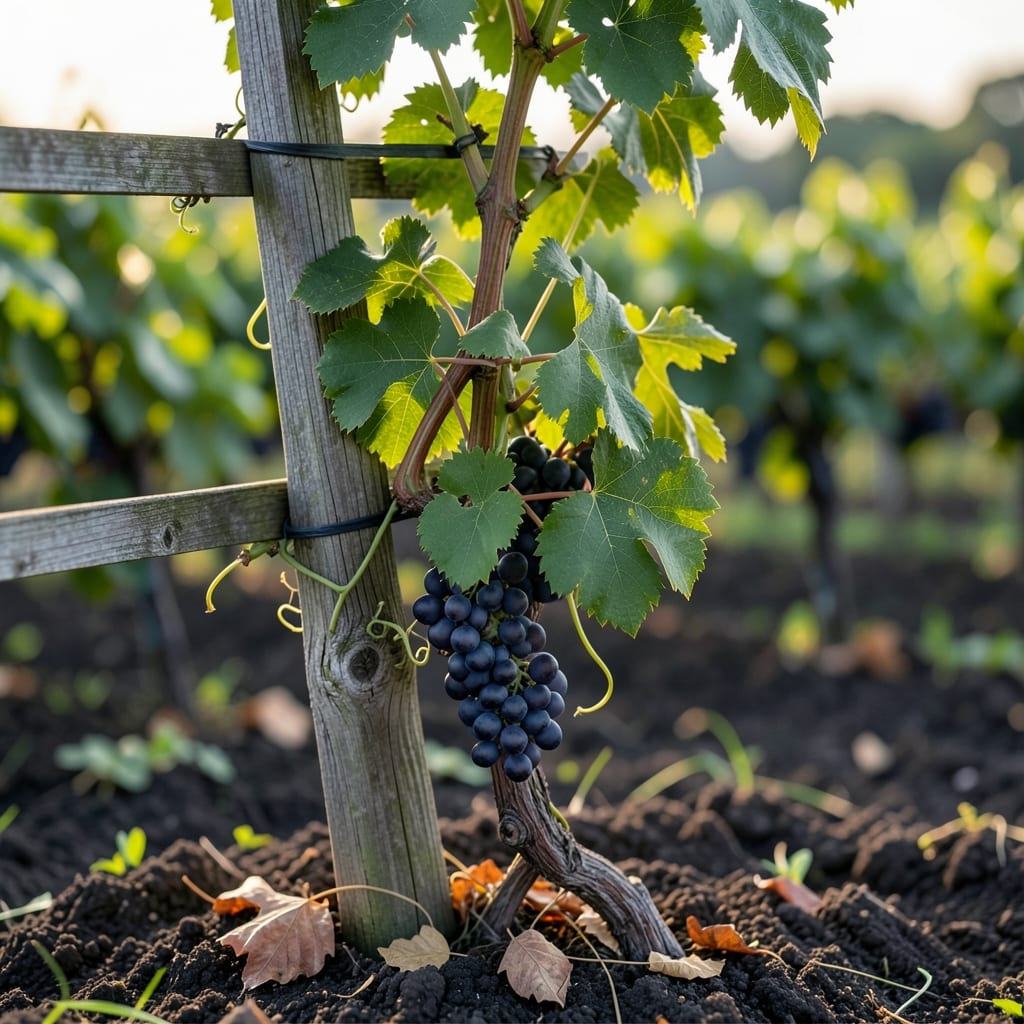
Not all grape leaves are edible. Wild varieties may contain toxins, while cultivated types like Vitis vinifera are safe when properly prepared. Always confirm the species before consumption.
I’ve learned the hard way that wild grape varieties often produce compounds like tannins or oxalates as natural defenses. 🔥 Cultivated leaves, such as those from wine grapes, are bred to minimize these, making them safe for dishes like dolmas. Still, proper blanching is key to remove any residual bitterness.
💡 In This Article
Wild grape leaves often contain tannins and oxalates as natural defense mechanisms. These compounds can cause stomach irritation or even toxicity in high concentrations. Cultivated varieties like Vitis vinifera have been selectively bred to reduce these bitter, harmful elements over generations of farming.
You can spot safe leaves by their smooth, heart-shaped appearance and growth on cultivated vines. Wild varieties often have rougher textures and grow in unmanaged areas. Vitis labrusca (Concord grapes) and Vitis riparia are common edible North American species, while European wine grapes are universally safe.
Geography matters too. Mediterranean regions have long traditions of using grape leaves in cooking, with 90% of commercial dolmas made from Vitis vinifera. In contrast, wild American grape species like Vitis rotundifolia (muscadine) require careful identification before consumption. 🔥
Color provides another clue. Young, tender leaves are typically lighter green and less bitter than mature, dark green leaves. The ideal harvesting window is when leaves are 4-6 inches long, just after the plant’s first growth flush in spring.
Remember that even edible varieties may cause reactions in sensitive individuals. The oxalate content in raw leaves can contribute to kidney stones in susceptible people. This is why traditional preparation always involves blanching or cooking to reduce these compounds by 40-60%. ✨
Look for smooth, heart-shaped leaves from cultivated vines like Vitis vinifera. Wild varieties often have rougher textures. When in doubt, avoid leaves from unmanaged areas.
Bitterness comes from natural tannins and oxalates, especially in mature leaves. Blanching for 2-3 minutes in salted water reduces this significantly. Younger leaves are naturally milder.
It’s not recommended. Raw leaves may contain oxalates that can cause stomach irritation. Always blanch or cook them first to reduce toxins by up to 60%.
Fresh blanched leaves keep in the fridge for up to 1 week in an airtight container. For longer storage, freeze with a damp paper towel for up to 3 months.