
Beautiful Plants For Your Interior
Beautiful Plants For Your Interior
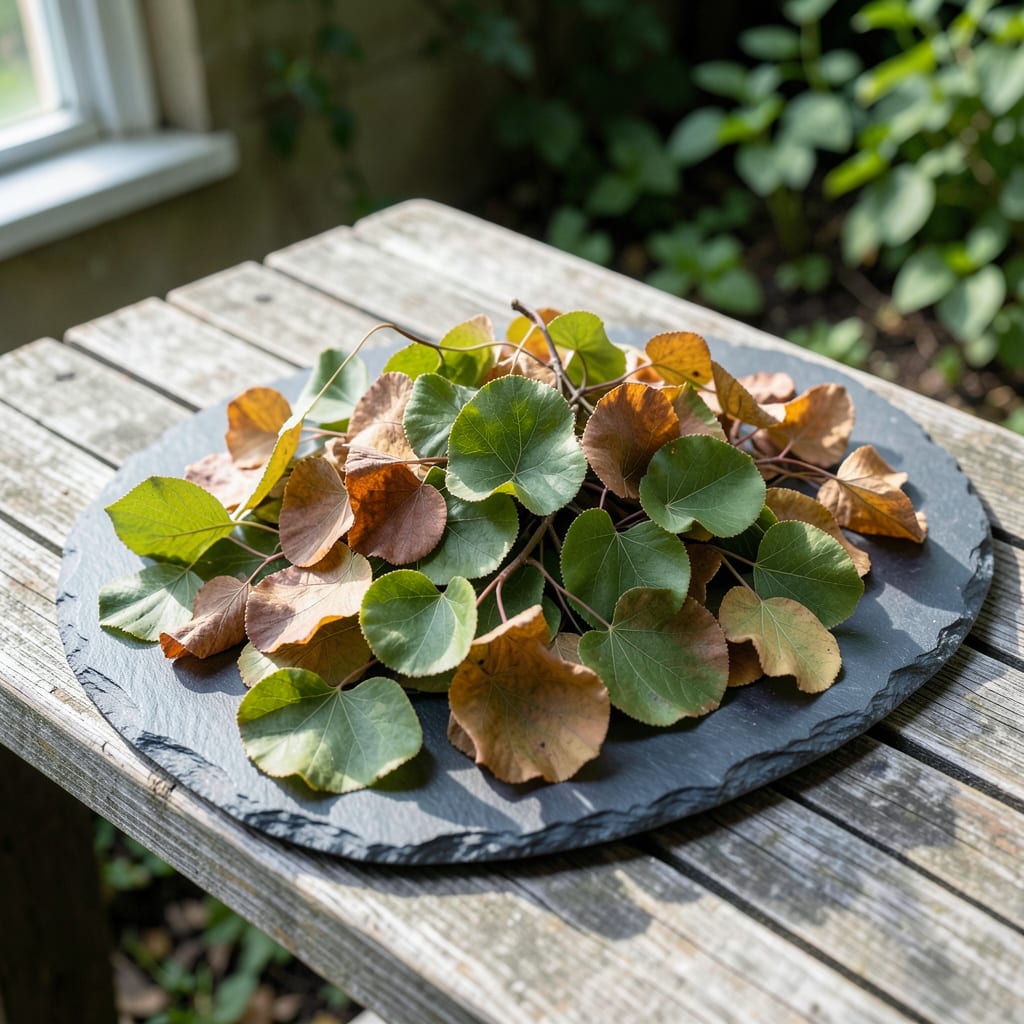
Nothing panics a gardener like seeing apricot tree leaves suddenly droop. I’ve been there—staring at sad, wilting foliage wondering if it’s too much water, not enough, or something worse entirely.
Early detection makes all the difference here. The same symptom could mean underwatering, root rot, or even a fungal infection creeping in. Most cases have simple fixes once you identify the real culprit.
With the right approach, those leaves often perk back up within 24-48 hours. The key is matching the solution to the actual problem—not just throwing everything at it and hoping.
Works for young saplings and mature trees alike. Here’s how to diagnose and treat it properly.
Apricot tree leaves wilt when their normal physiological functions are disrupted. Here are the most frequent causes, explained with actionable insights:
Overwatering or underwatering disrupts the tree’s vascular system. Roots suffocate in soggy soil (leading to Phytophthora root rot), while drought stresses the xylem, limiting water transport. Check soil moisture 2 inches deep—dry means water; soggy means stop and improve drainage.
Pathogens like Verticillium or Fusarium clog the tree’s water-conducting vessels (xylem), causing sudden wilting, often in one branch first. Look for yellowing or black streaks in the sapwood. Remove infected branches immediately and sterilize pruning tools with rubbing alcohol.
Sap-sucking pests like aphids or scale insects drain fluids from leaves, while borers (e.g., peach tree borer) tunnel into the trunk, severing nutrient flow. Inspect leaf undersides for sticky residue (honeydew) or tiny holes in the bark. Introduce beneficial insects (e.g., ladybugs) or apply neem oil at dusk.
Extreme heat (>90°F) or frost damage collapses leaf cells, triggering wilting. Young trees are especially vulnerable. Shield them with shade cloth during heatwaves or mulch heavily (3–4 inches) to regulate soil temperature. Avoid late-season fertilizing, which promotes tender growth prone to frost damage.
A lack of potassium or magnesium weakens cell walls, reducing turgor pressure (the “fullness” that keeps leaves rigid). Test soil pH (ideal: 6.0–7.0); amend with greensand (potassium) or Epsom salt (magnesium) if levels are low.
When your apricot tree’s leaves start to wilt, quick action can restore its health. Below are targeted fixes for common causes, paired with prevention tips to keep your tree thriving.
If dry soil is the culprit, give your tree a slow, deep watering at the base to encourage root absorption. Aim for 1–2 inches of water per week, more in extreme heat. Prevention tip: 💡 Mulch around the base with organic matter to retain moisture and regulate soil temperature.
Soggy roots suffocate and wilt leaves. Stop watering immediately and let the soil dry out. If the area is waterlogged, amend the soil with compost or sand to boost drainage. Prevention tip: 🎯 Plant in a raised bed or slope if your soil retains too much water.
Aphids, mites, or borers can stress the tree, leading to wilting. Treat with neem oil or insecticidal soap, spraying in the early morning or late evening. For borers, remove affected branches and burn them. Prevention tip: ✨ Encourage beneficial insects like ladybugs by planting companion flowers (e.g., marigolds or yarrow).
Fungal issues like verticillium wilt or leaf curl thrive in damp conditions. Prune infected branches (sterilize tools between cuts!) and dispose of them far from the tree. Apply a copper fungicide as directed. Prevention tip: 🌡️ Space trees properly for airflow and avoid overhead watering to reduce humidity.
Young trees or those in full sun may wilt under extreme heat. Erect a shade cloth during peak afternoon hours and ensure consistent moisture. Prevention tip: 🌿 Plant heat-tolerant ground covers around the base to cool the soil naturally.
With proper treatment, leaves often perk up within 24-48 hours. Severe cases (like root rot) may take 1-2 weeks to show improvement.
Yes, too much fertilizer can burn roots, leading to wilting. Always follow package instructions and fertilize during active growth periods only.
Insert your finger 2 inches into the soil. If it feels dry, water deeply. If soggy, hold off and improve drainage.
If the cause is addressed early, yes. Severely damaged leaves may drop, but new healthy growth will replace them.
