
Beautiful Plants For Your Interior
Beautiful Plants For Your Interior
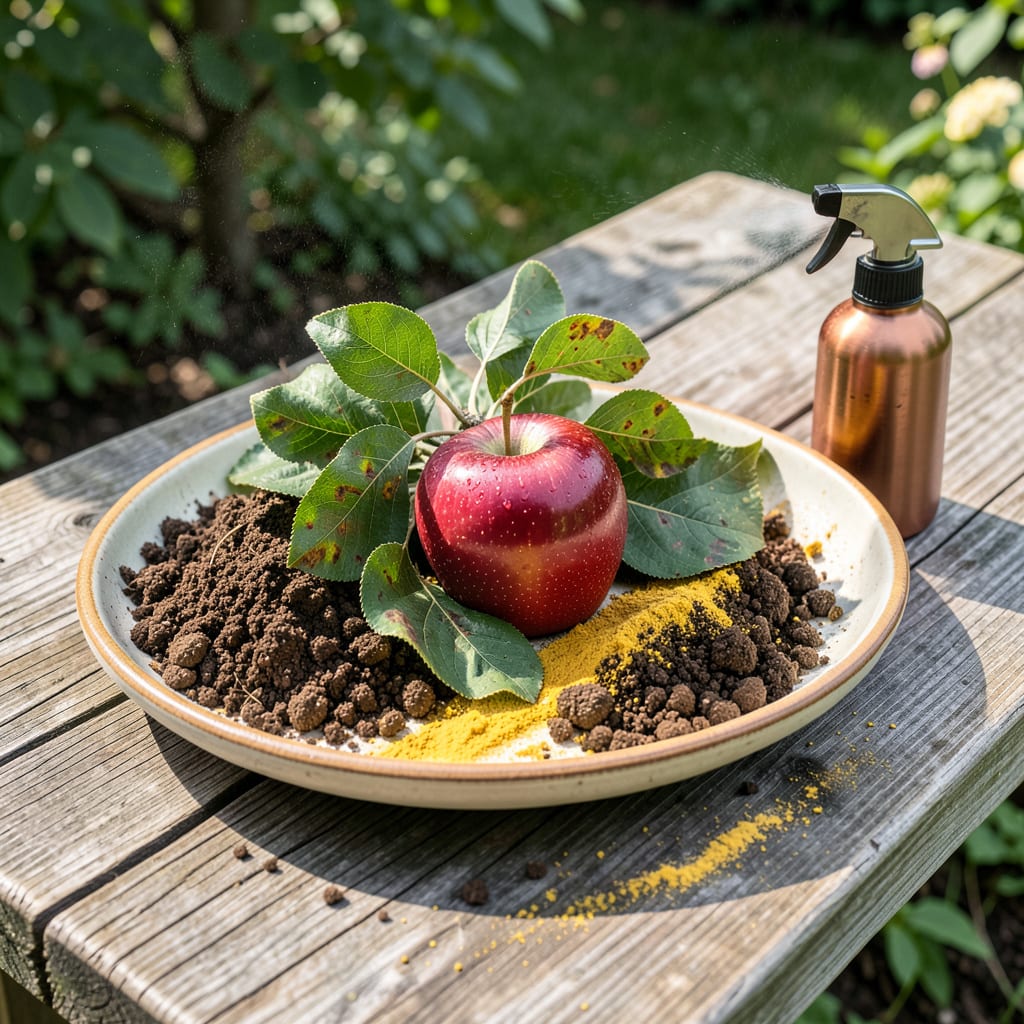
Those orange spots on your apple tree leaves aren’t just ugly—they’re stealing your harvest. 🌱 I first noticed rust disease when my trees went from healthy to struggling in one season, with leaves dropping early and fruit barely forming.
The culprit is a fungus that thrives in wet conditions, spreading from cedar trees to apples. Without treatment, it weakens trees year after year. I learned the hard way that prevention beats cure, but even bad cases can recover with the right approach.
You’ll see new growth return within 3-4 weeks of starting treatment. The key is consistent action—remove infected material, improve air flow, and apply organic sprays at the right time. It’s simpler than it sounds.
Works for established trees and young saplings alike. Here’s how to rescue your crop and keep rust from returning next year.
Apple tree rust, a common fungal disease, is primarily caused by the pathogen Gymnosporangium juniperi-virginianae. This fungus has a complex life cycle that requires two hosts: apple trees and juniper plants. Understanding the causes helps in effectively managing and preventing the disease.
The fungus overwinters on juniper plants, producing spores that are released in spring. Wind carries these spores to nearby apple trees, where they infect the leaves and fruit. The spores thrive in wet, cool conditions, making spring the prime time for infection.
Prolonged periods of wetness, especially during spring, create the ideal environment for rust spores to germinate and infect apple trees. High humidity and temperatures between 50°F and 75°F (10°C and 24°C) accelerate the disease’s spread.
Apple trees planted near juniper species (such as cedar or red cedar) are at higher risk. The fungus alternates between these hosts, so removing or distancing junipers can break the disease cycle.
Dense canopies or crowded plantings reduce airflow, trapping moisture and promoting fungal growth. Pruning to improve ventilation helps lower humidity and discourages rust development.
Fallen leaves or fruit harboring rust spores can reinfect trees the following season. Removing and destroying infected debris disrupts the fungus’s life cycle and reduces future outbreaks.
Dealing with apple tree rust starts with identifying the root cause and applying targeted fixes. Below are practical solutions for common scenarios, paired with prevention tips to keep your trees healthy long-term.
Apple rust often spreads from juniper bushes, which host the fungus in its alternate life stage. Remove any juniper plants within 1,000 feet of your apple trees to break the disease cycle. If removal isn’t possible, prune out galls (swollen, rust-colored growths) on junipers in late winter before spores release.
Prevention: Plant rust-resistant apple varieties like ‘Liberty’ or ‘Enterprise’ if junipers are common in your area.
Prolonged moisture on leaves fuels rust development. Thin out crowded branches to allow sunlight and air to reach the center of the tree. Space trees at least 10–15 feet apart when planting. Water at the base of the tree (not overhead) to keep foliage dry.
Prevention: Water early in the day so leaves dry quickly, and mulch around the base to reduce soil splashing.
At the first sign of rust (orange-yellow spots on leaves or fruit), prune infected branches immediately. Disinfect pruning tools with rubbing alcohol between cuts to avoid spreading spores. Burn or trash infected material—do not compost, as spores can survive.
Prevention: Inspect trees weekly during wet seasons and remove fallen leaves/debris, which can harbor spores over winter.
For persistent rust, use copper fungicide or neem oil as a protective barrier. Apply in early spring before buds swell, then repeat every 7–10 days during wet weather. Always follow label instructions for mixing and timing.
Prevention: Rotate fungicides to prevent resistance, and apply baking soda spray (1 tbsp baking soda + 1 tsp dish soap per gallon of water) as a mild preventative.
Pro Tip 💡: Rust thrives in cool, wet conditions. Stay vigilant after rainy spells, and act fast—early intervention saves trees!
Apply copper fungicide or neem oil every 7-10 days during wet weather. Start in early spring before buds swell for best results. Always follow label instructions for proper mixing and timing.
No, never compost infected material. Rust spores can survive composting and reinfect your trees next season. Burn or trash all infected leaves and debris to break the disease cycle.
Improve air circulation by thinning branches and spacing trees 10-15 feet apart. Remove nearby juniper plants and choose rust-resistant varieties like ‘Liberty’. Water at the base, not overhead.
